Swipe or use the arrows to move through the full sequence.


Statement / 阐述
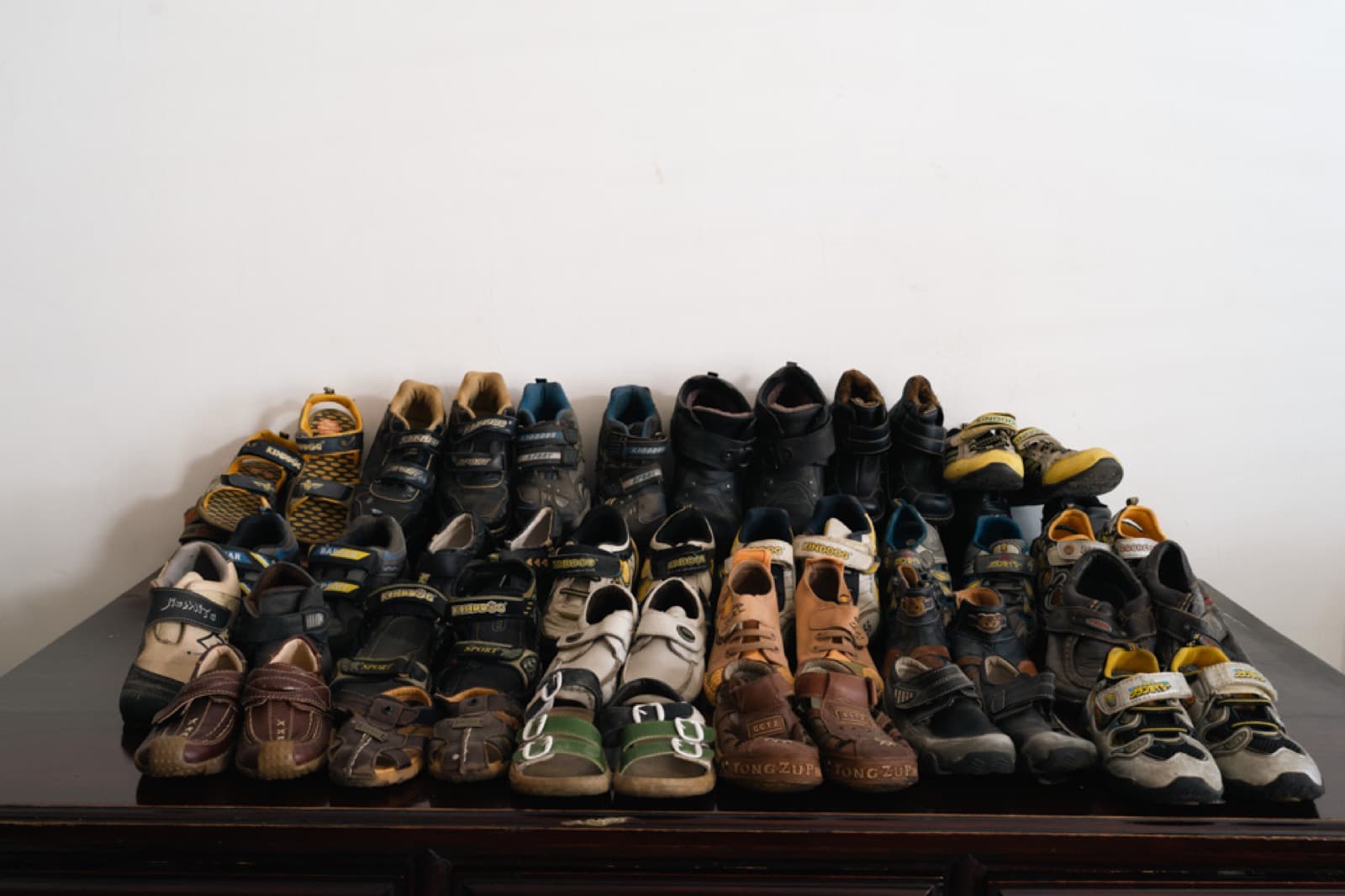
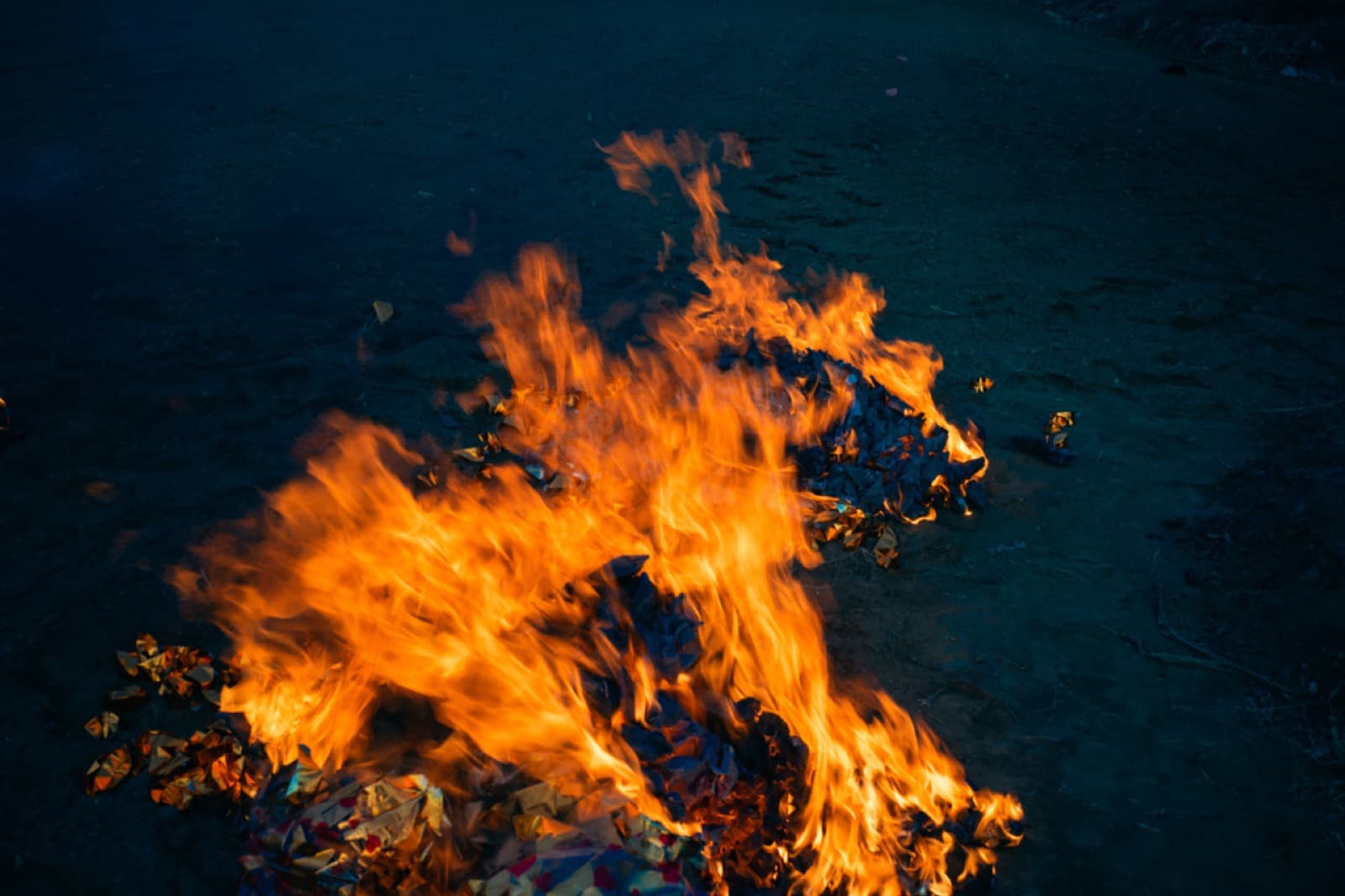
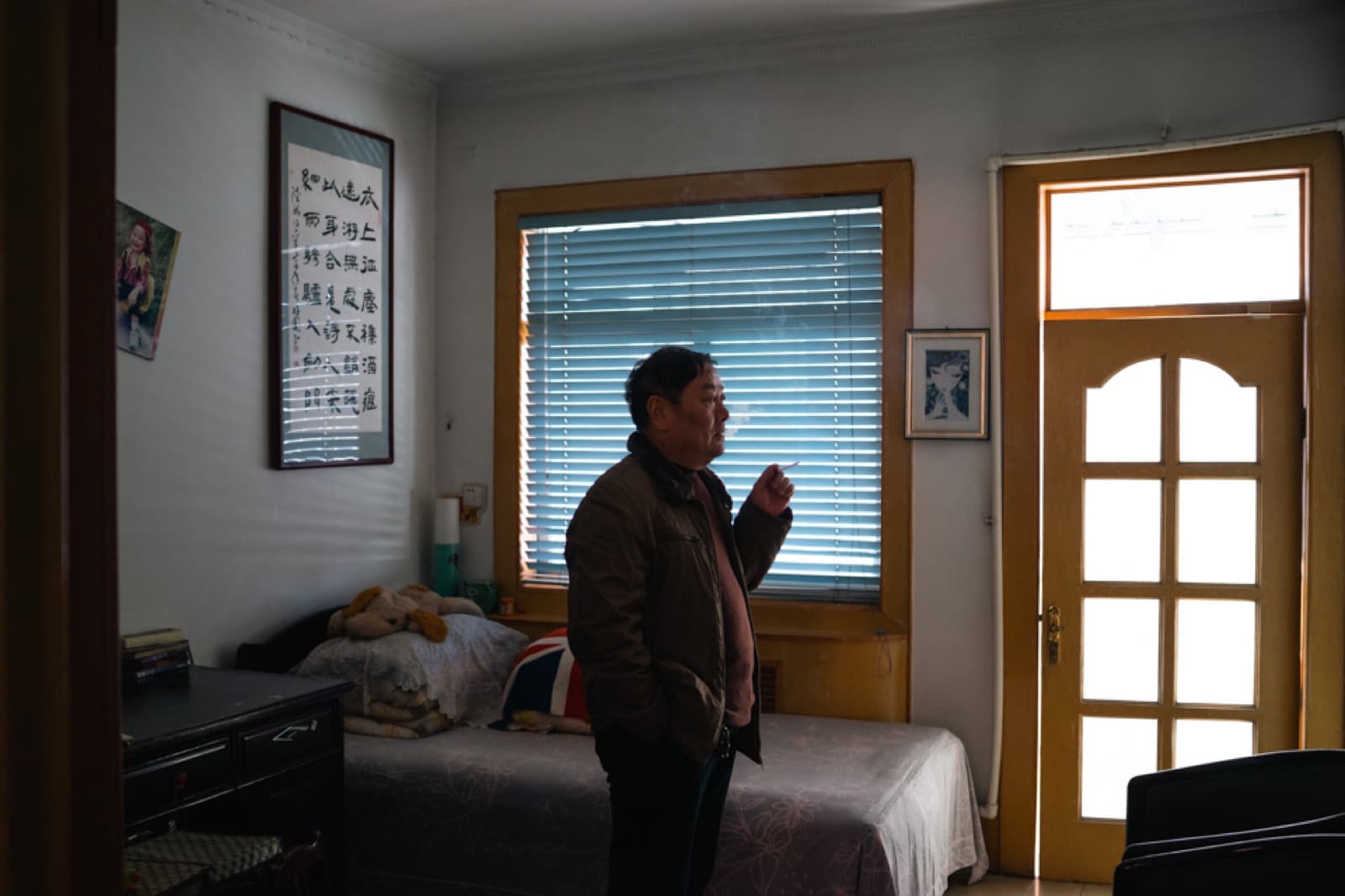
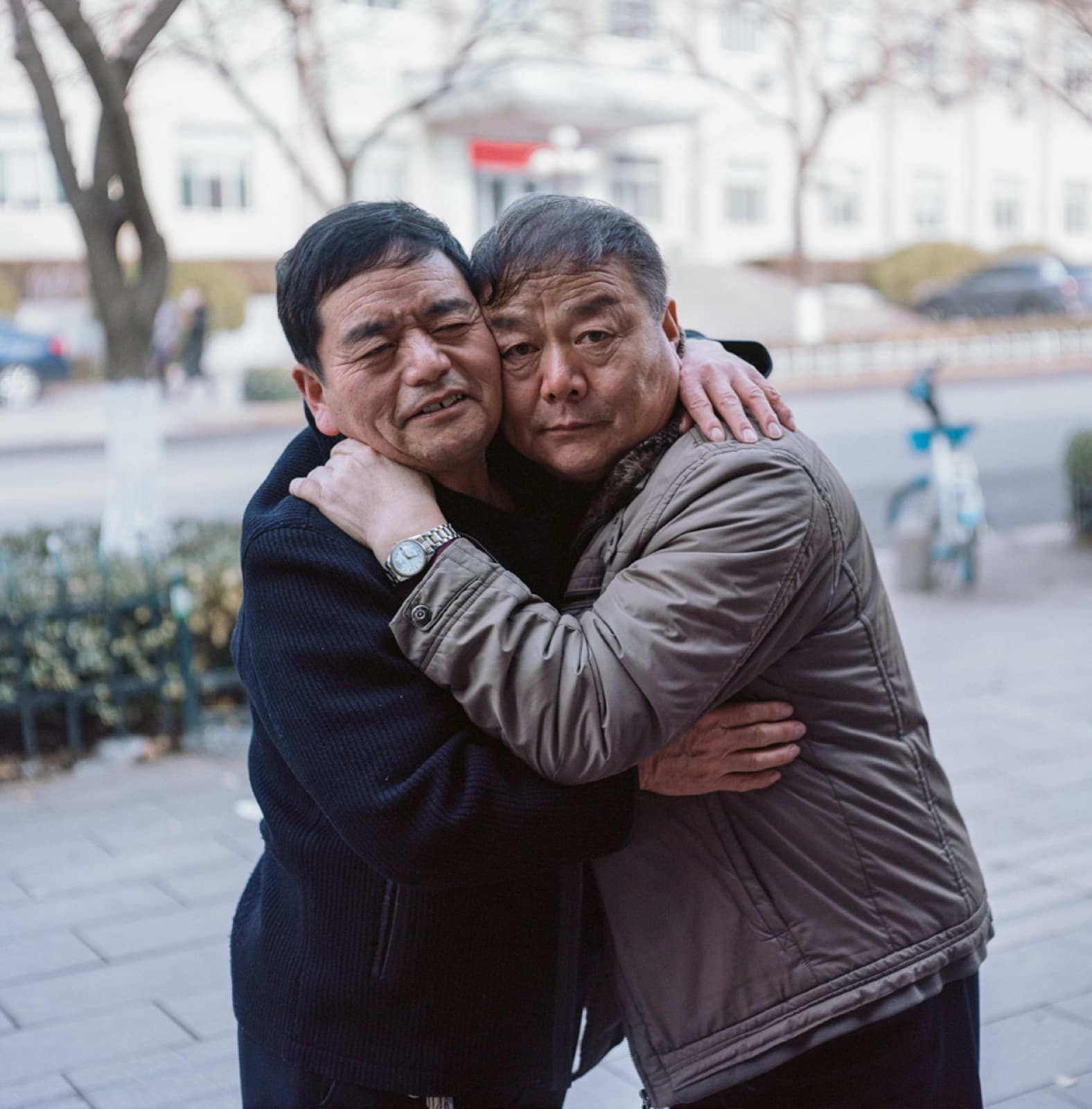
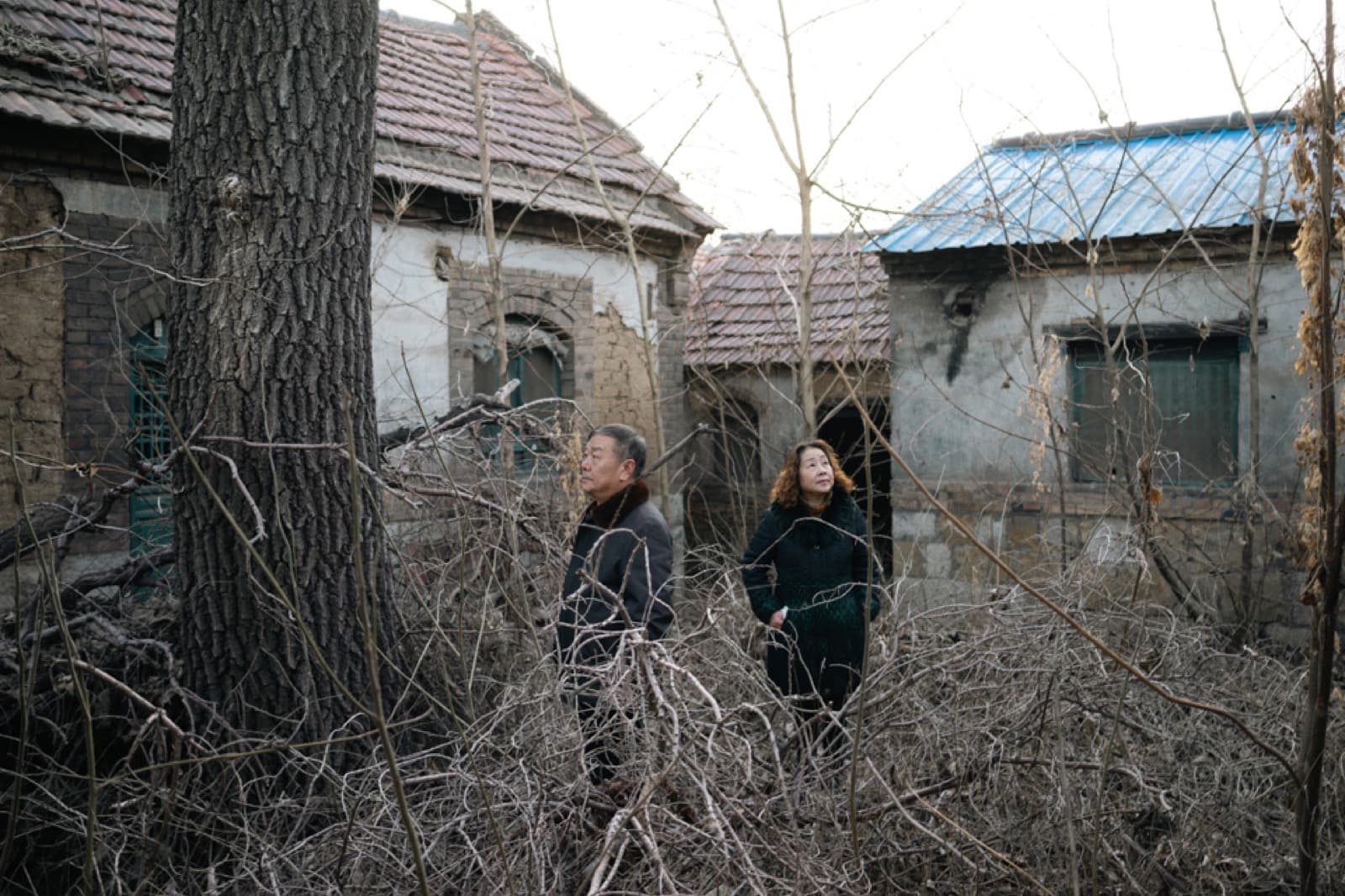
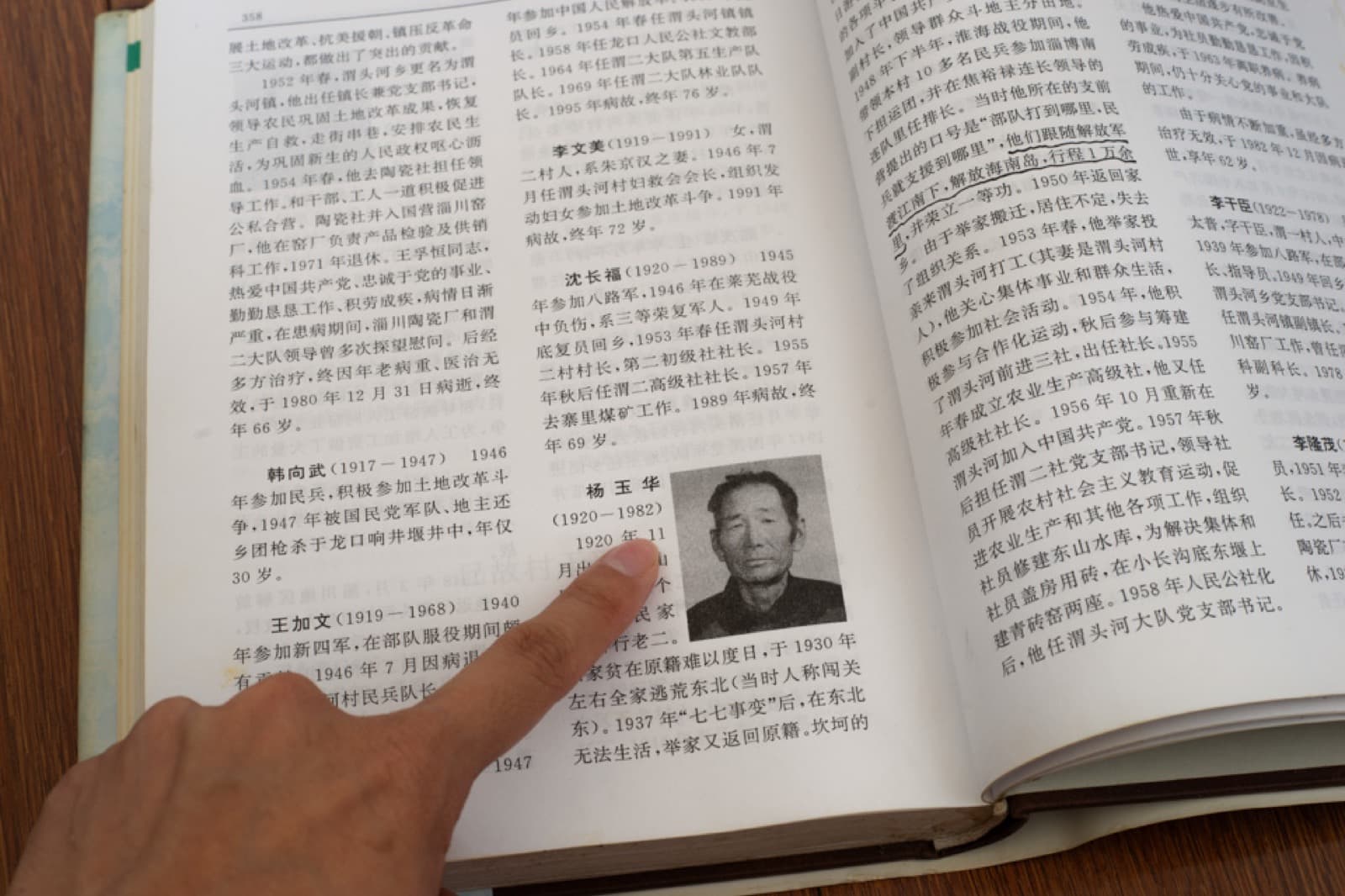
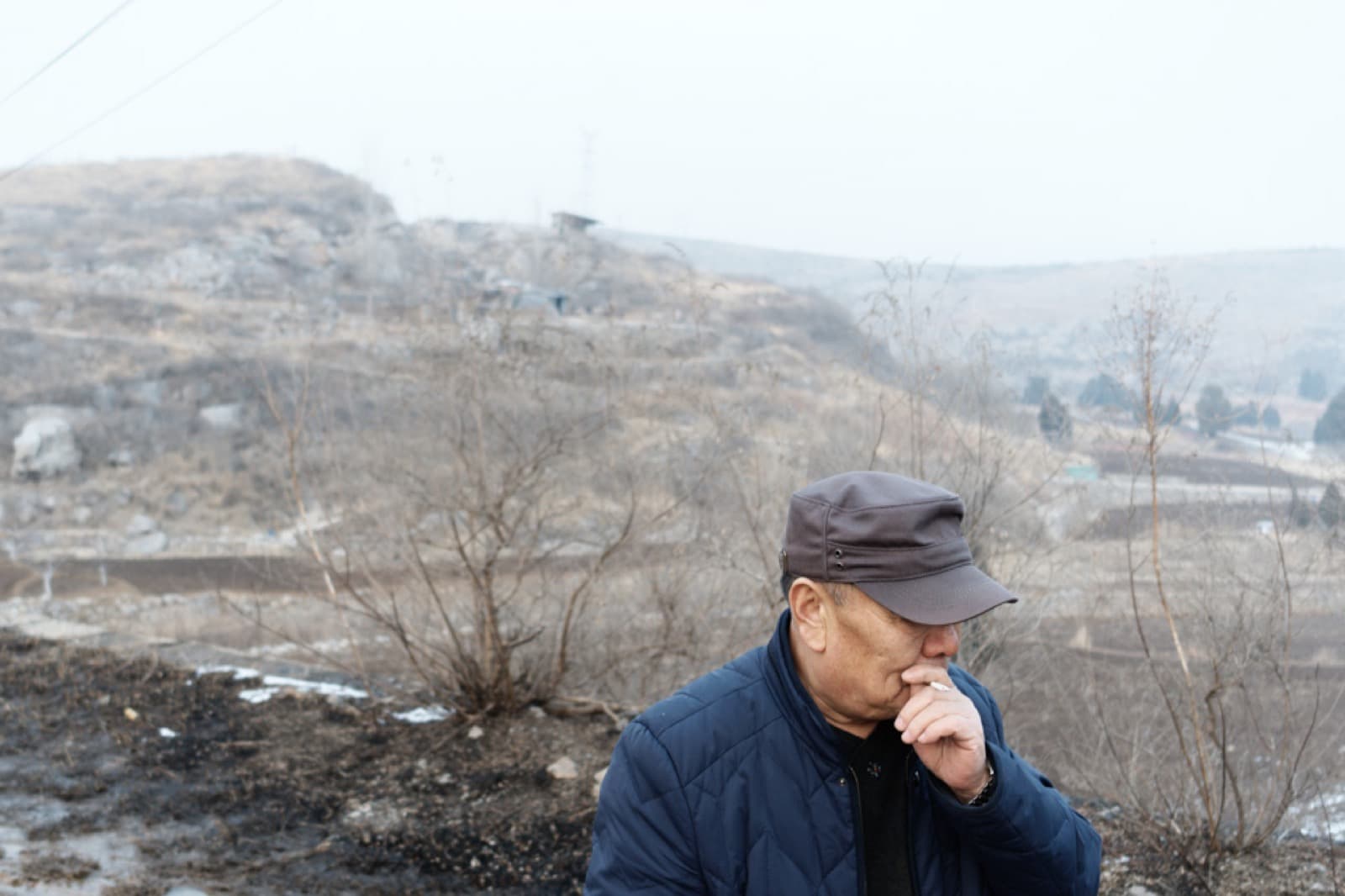
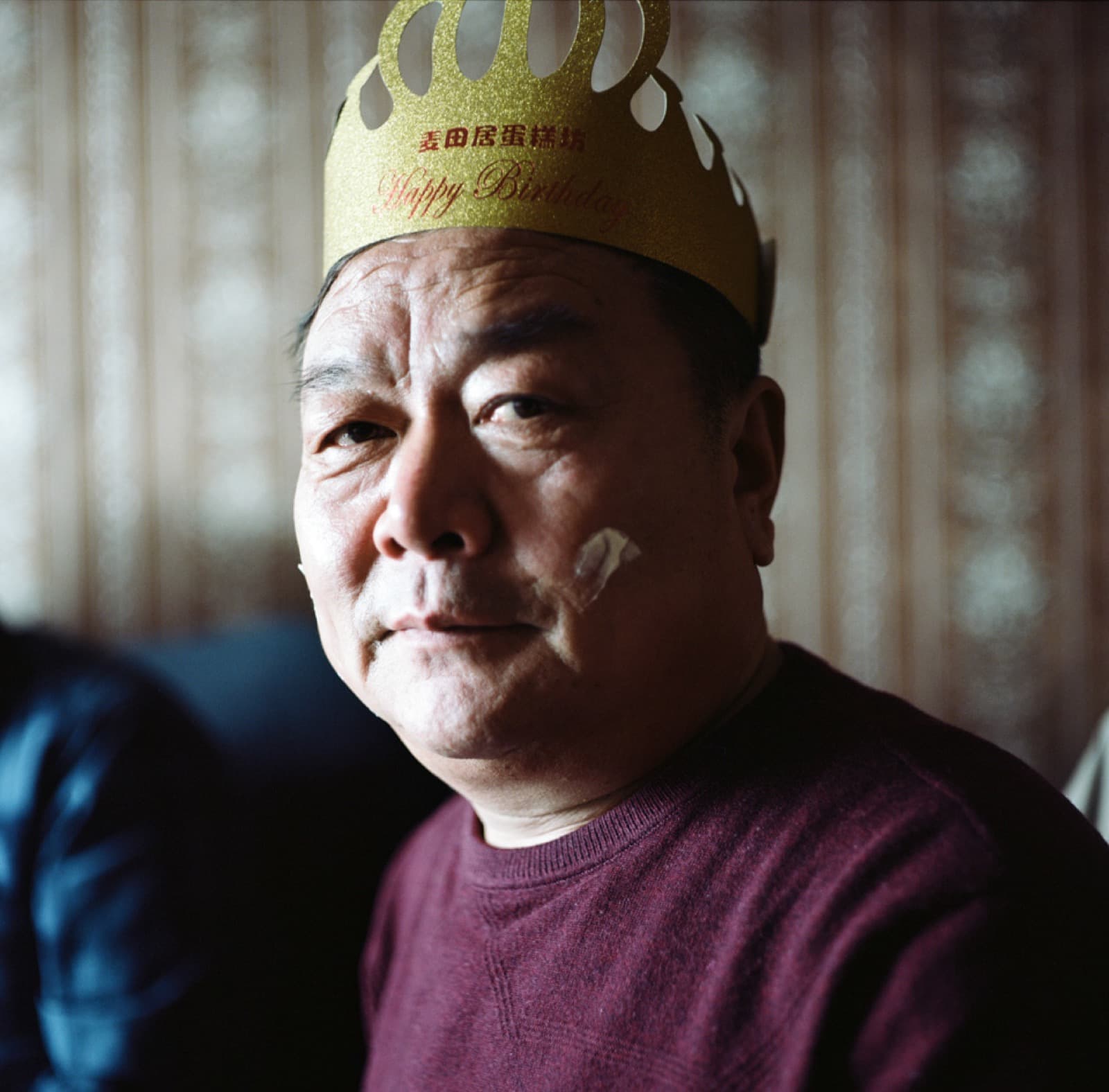
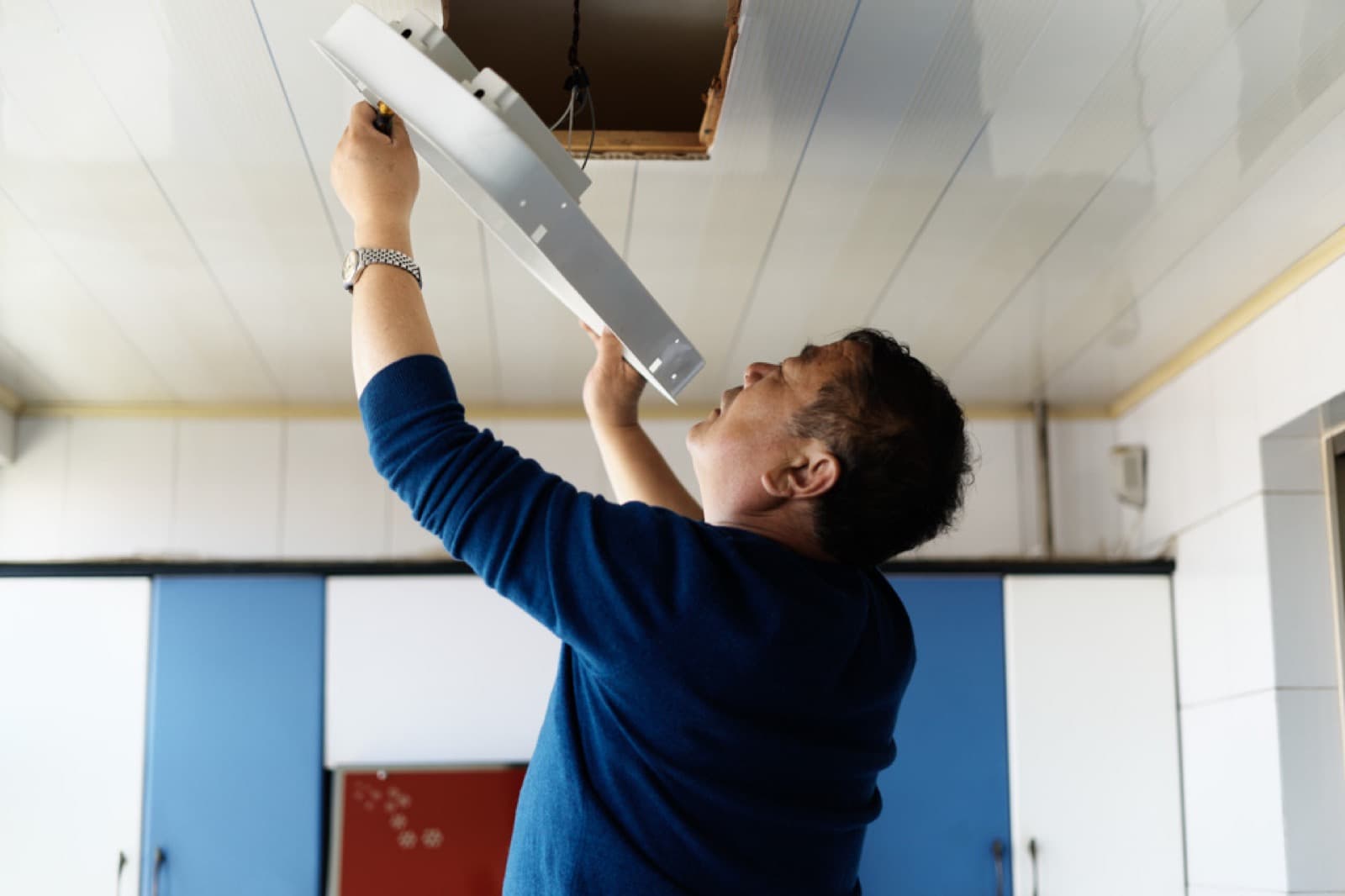
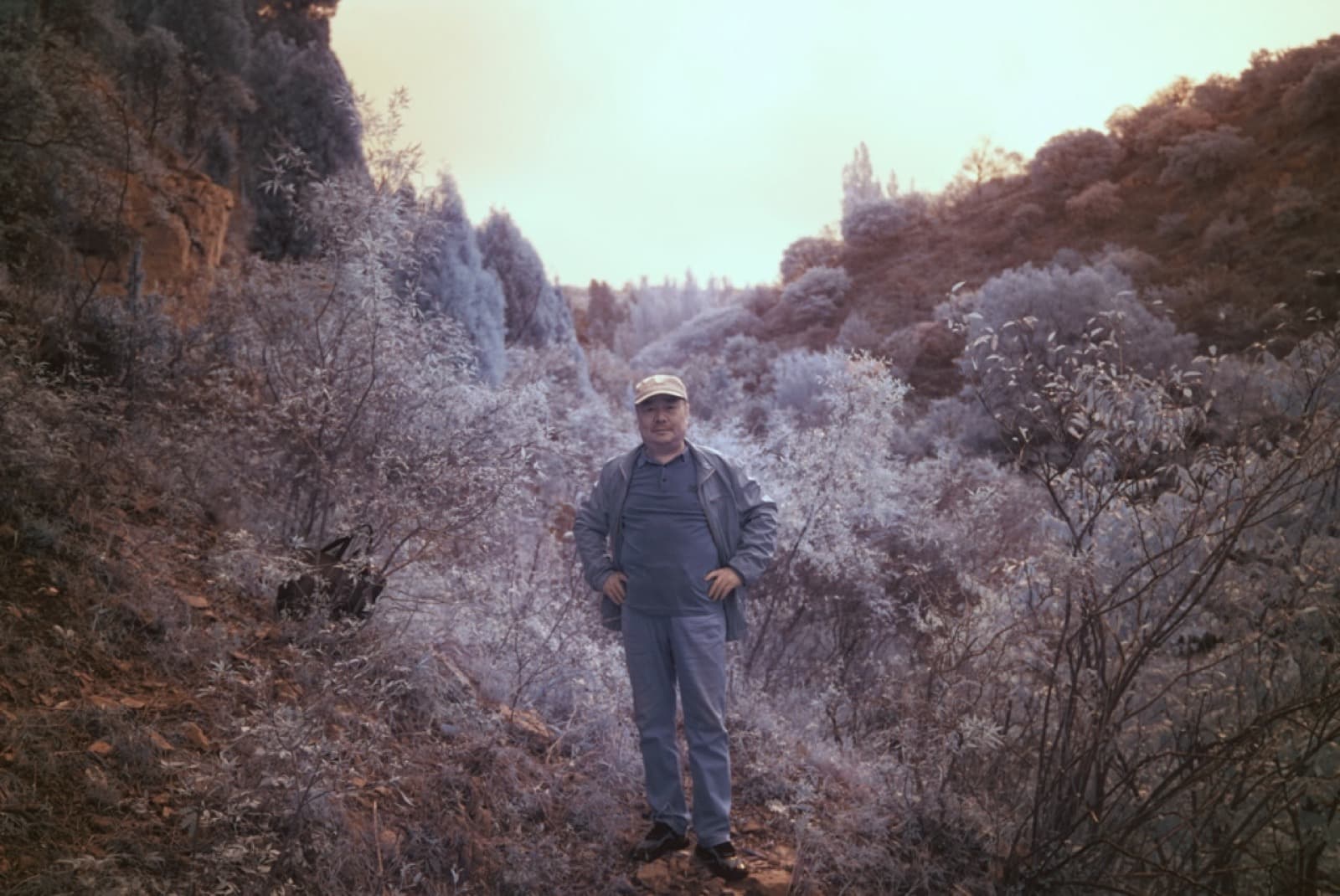
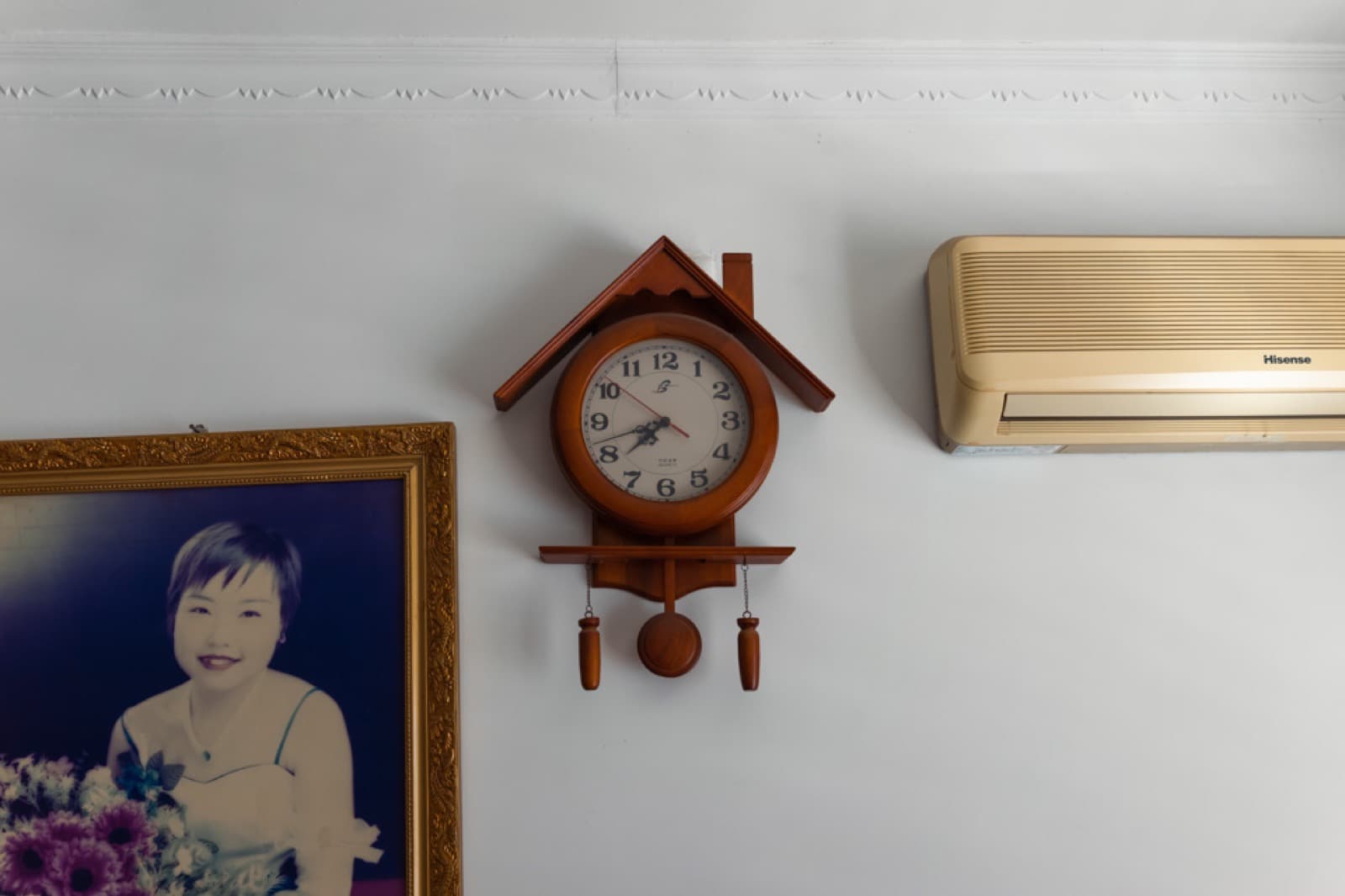
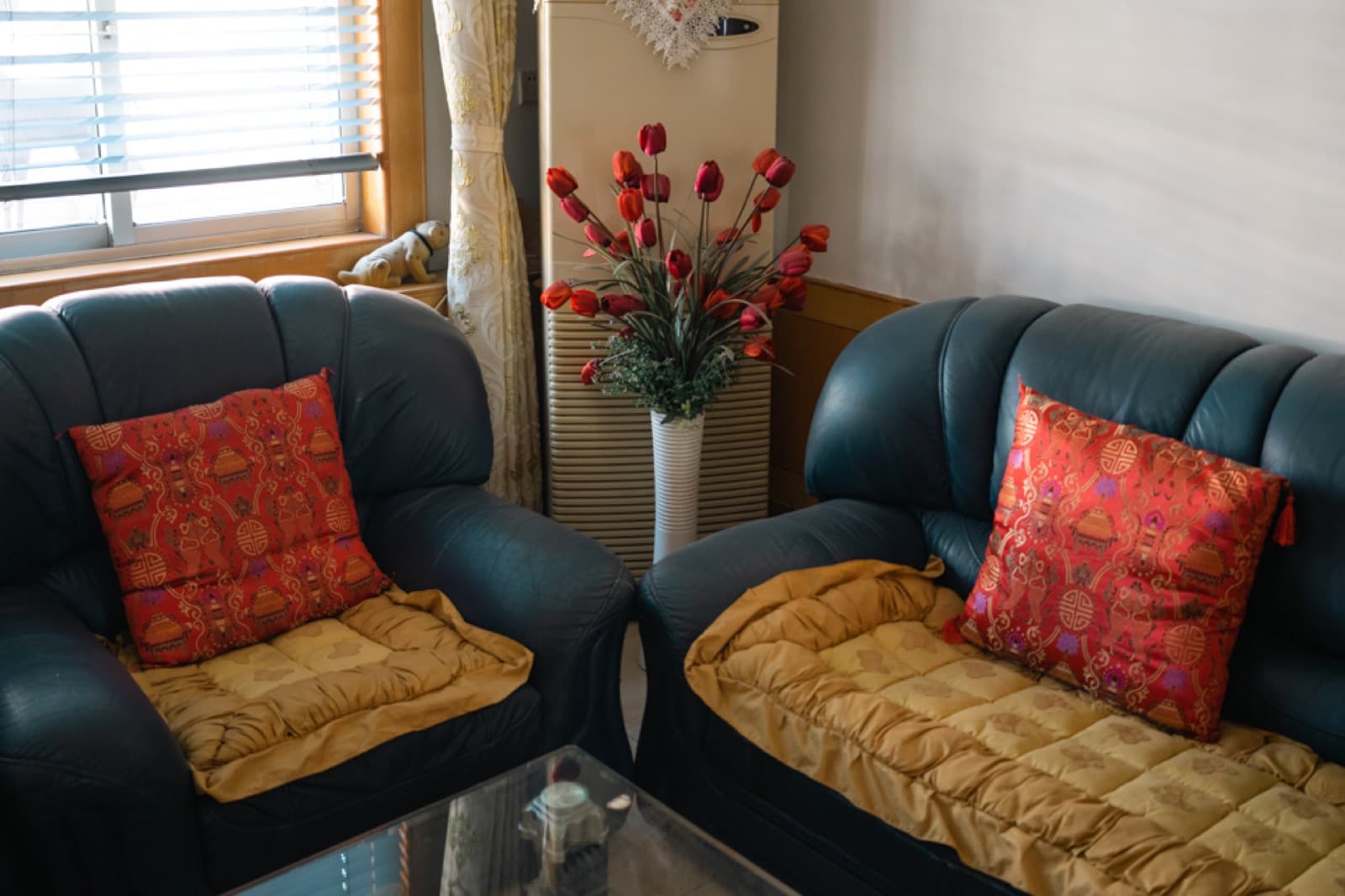
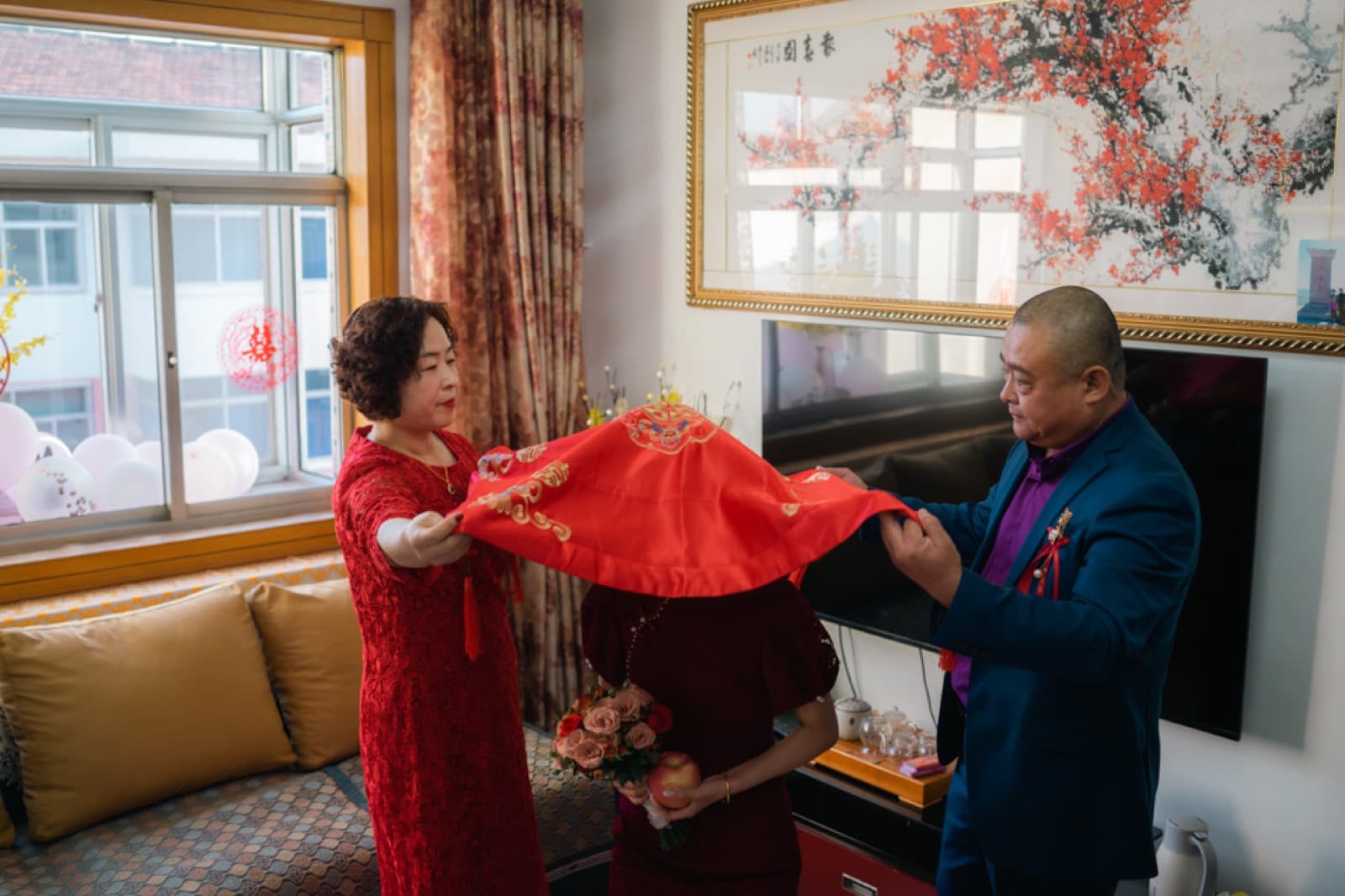
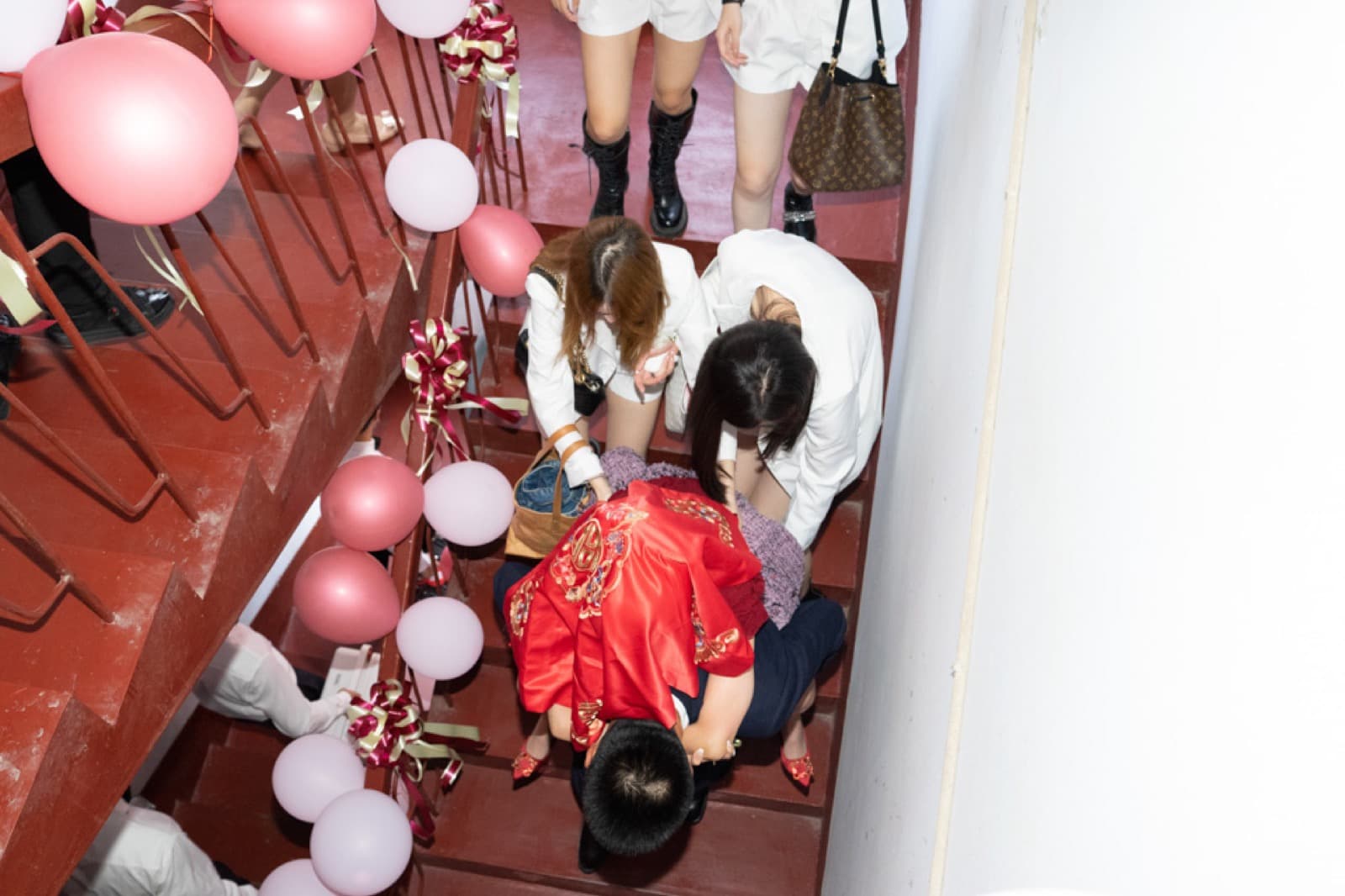
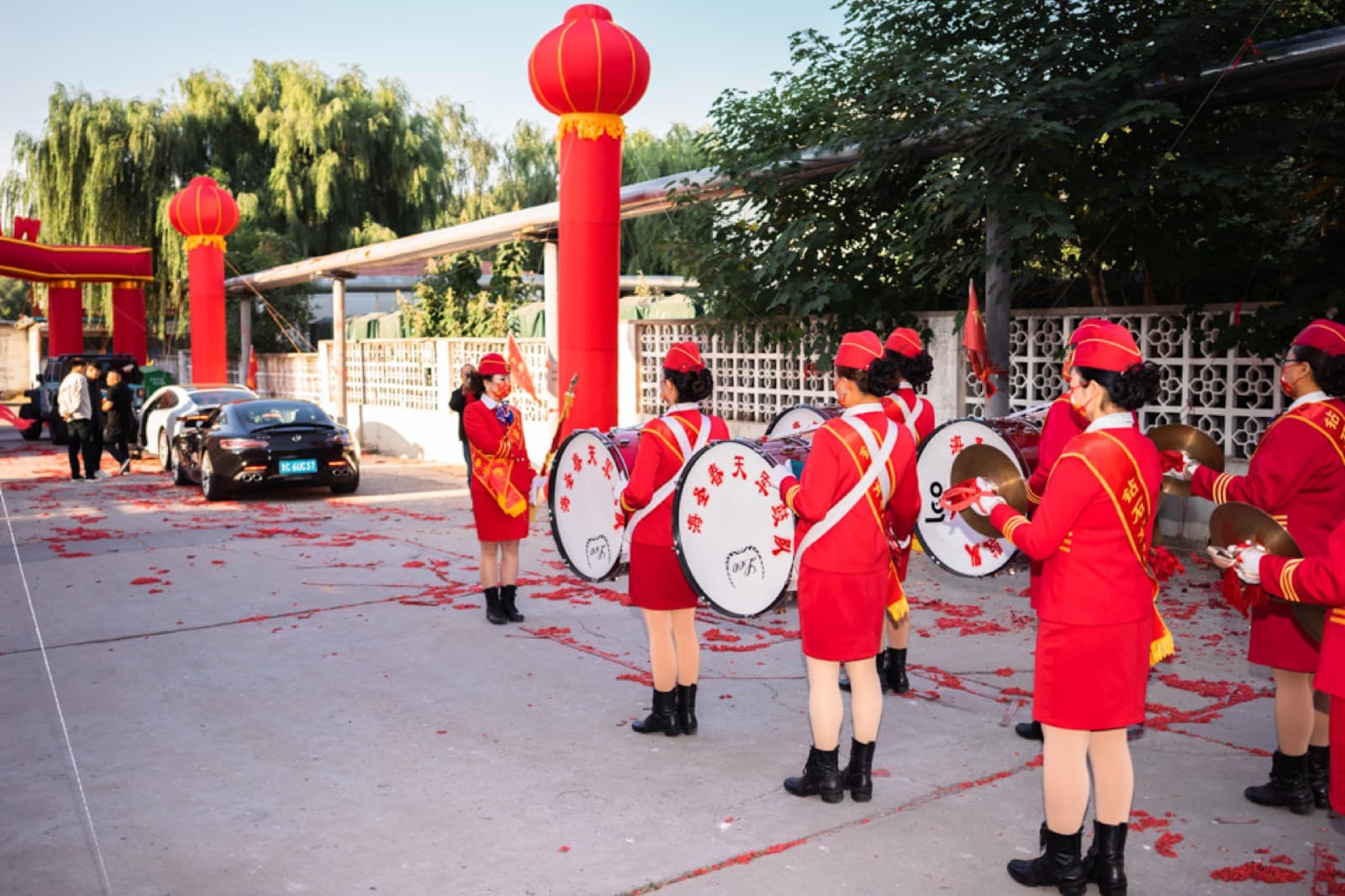
从祖辈闯关东、回山东,到父亲一家搬下山、再为我上学搬到县城,“故乡”一次次被搬离,又一次次被重新命名。后来我去北京上学,说“我要去北京”;假期临近,又对舍友说“我要回山东”。“去北京—回山东”,这个“回”究竟指向哪里?何以为家?我试图回望祖辈与父辈的记忆,却总觉得它们并不真切——我来得太晚了。当我开始寻找、询问、谈论,他们只能一遍遍讲述,而我只能一遍遍慢慢领会。《晚归寻人不遇》沿着迁徙、家族时间与个人成长的断裂展开:当记忆无法抵达,家便不再是一个地点,而是一种持续寻觅的状态。
“Hometown” has been moved away from, and renamed, again and again—from my ancestors’ migration, to my father’s family leaving the mountain village, to our relocation to the county town so I could attend school. Later, when I studied in Beijing, I would tell my parents, “I’m going to Beijing,” yet before holidays I would tell my roommates, “I’m going back to Shandong.” In “going to Beijing—going back to Shandong,” what does “back” actually point to? What makes a home? When I try to look back toward my ancestors’ and my father’s memories, they never feel fully reachable—as if I arrived too late. When I begin to search, to ask, to speak of memory, they can only repeat their stories, and I can only learn them slowly, again and again. A Delayed Advent, A Vain Search unfolds along migration, fractured family time, and personal coming-of-age: when memory cannot be reached, “home” becomes less a place than an ongoing condition of searching.