Swipe or use the arrows to move through the full sequence.
Statement / 阐述
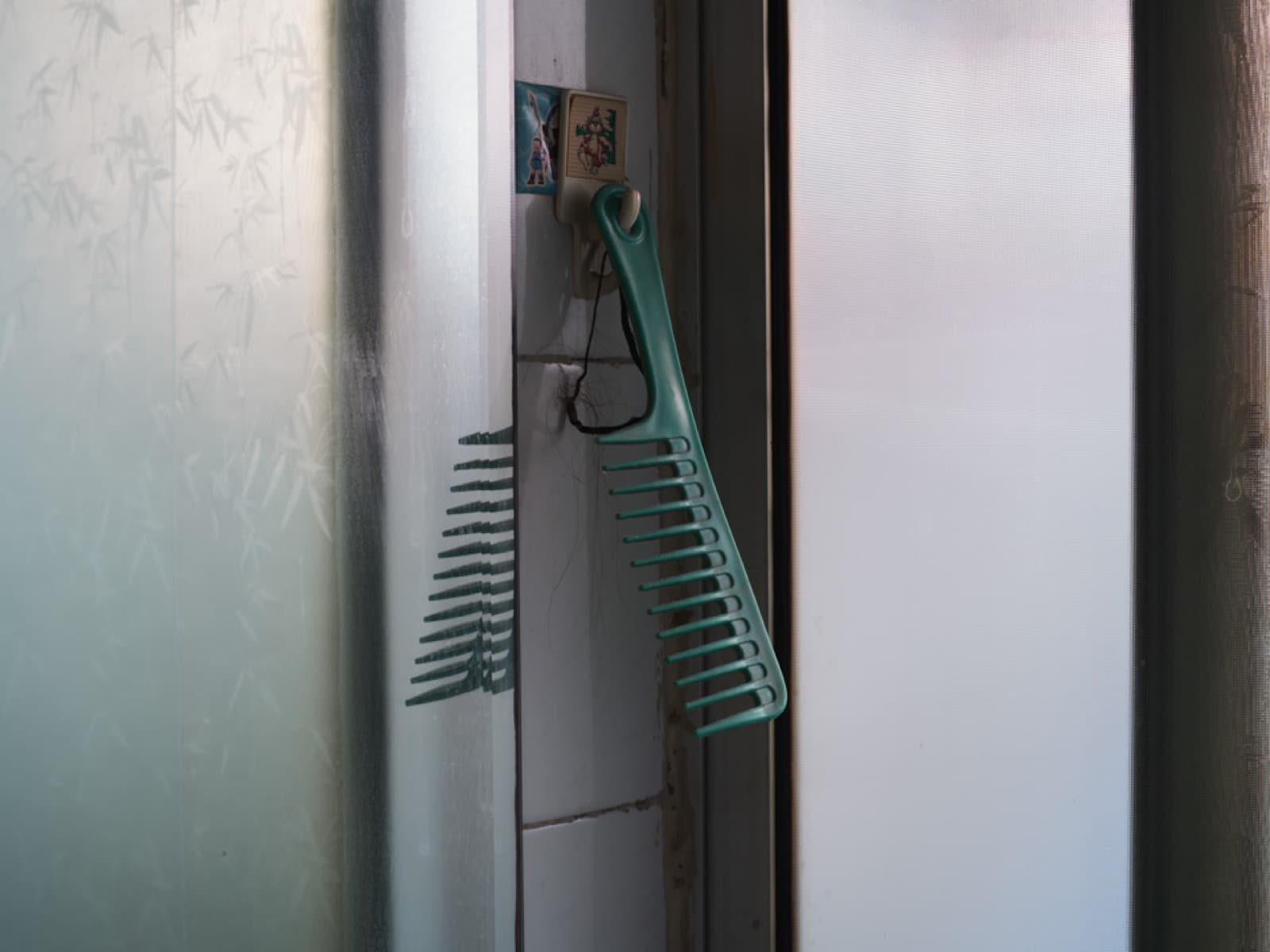
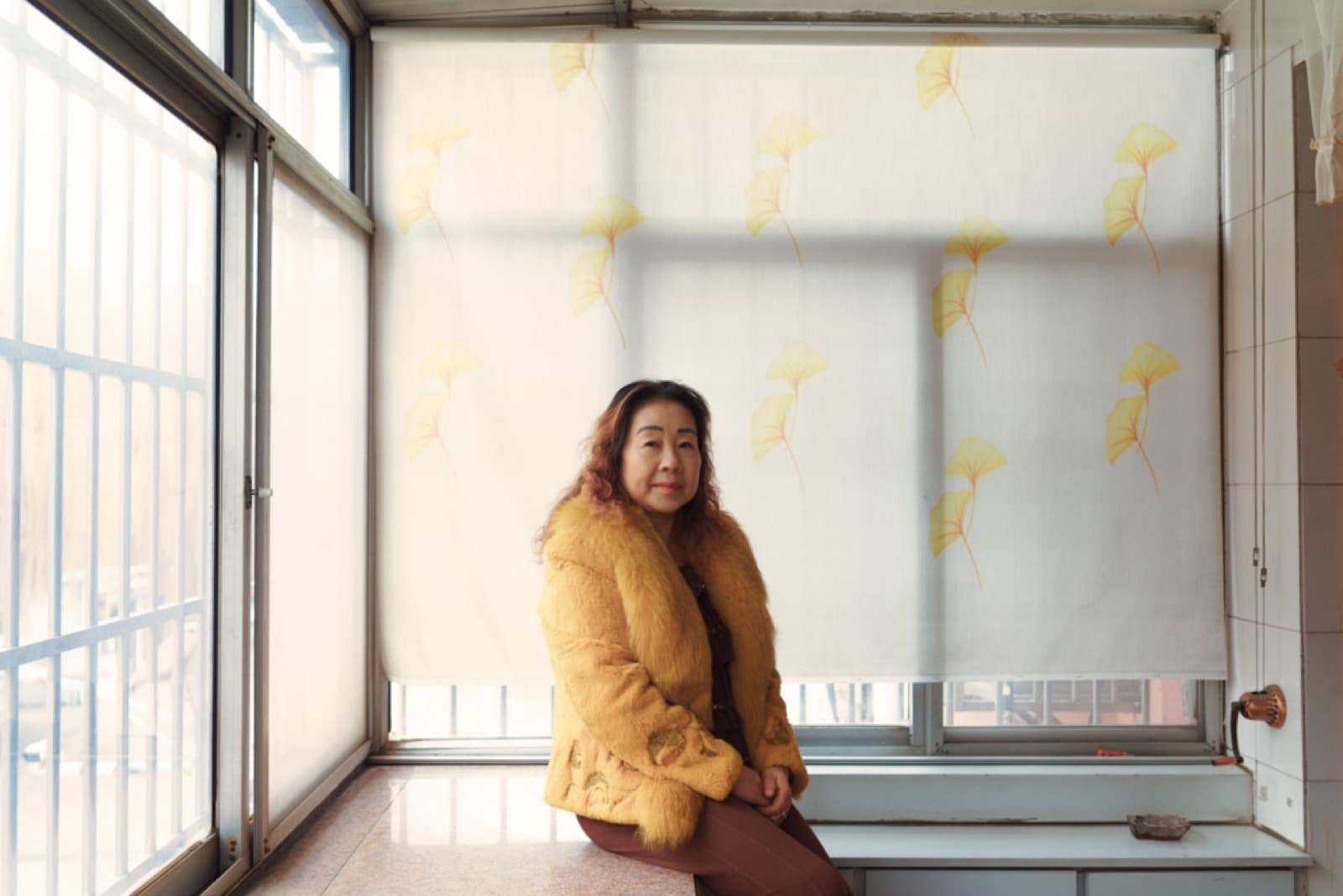
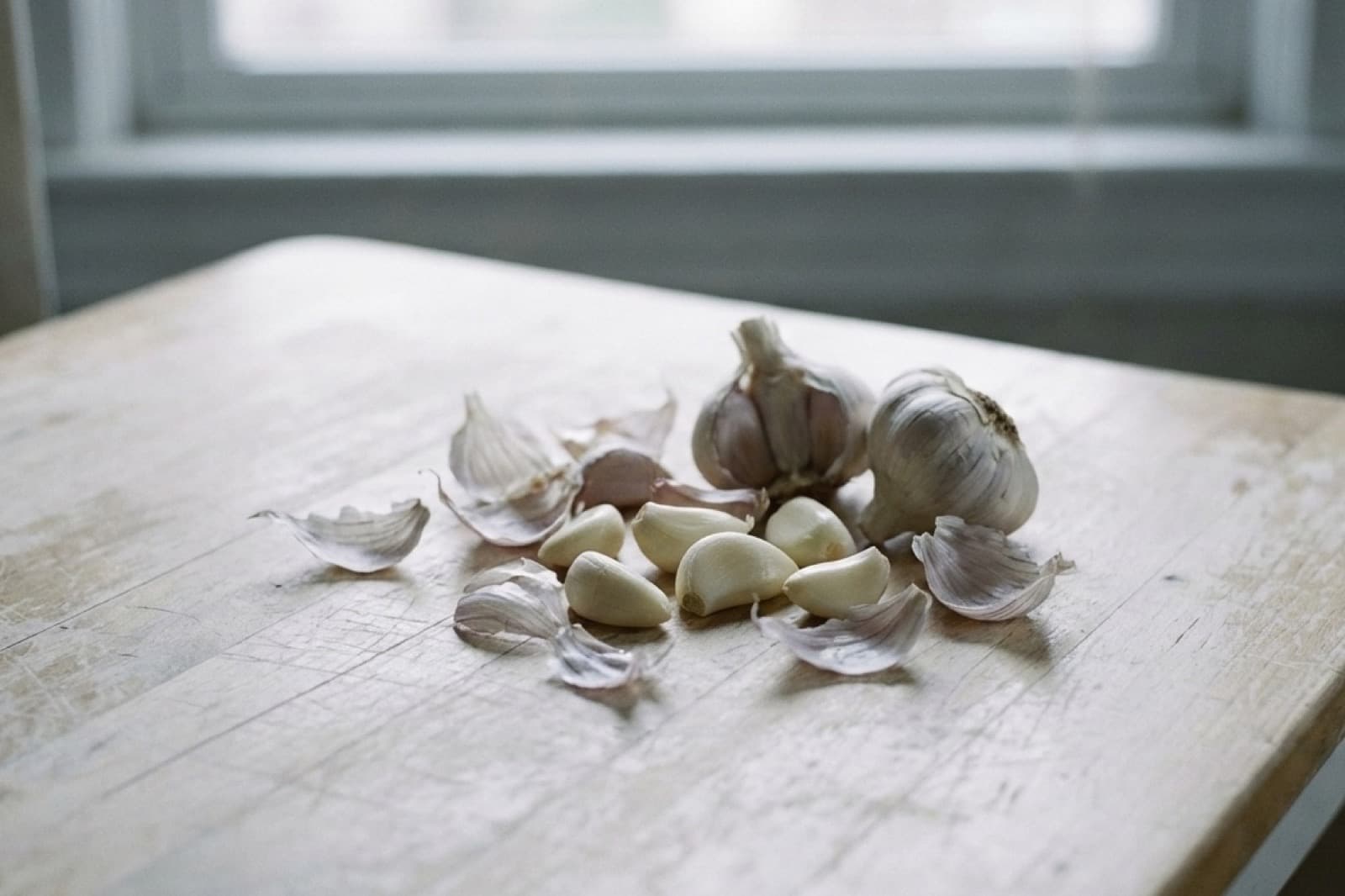
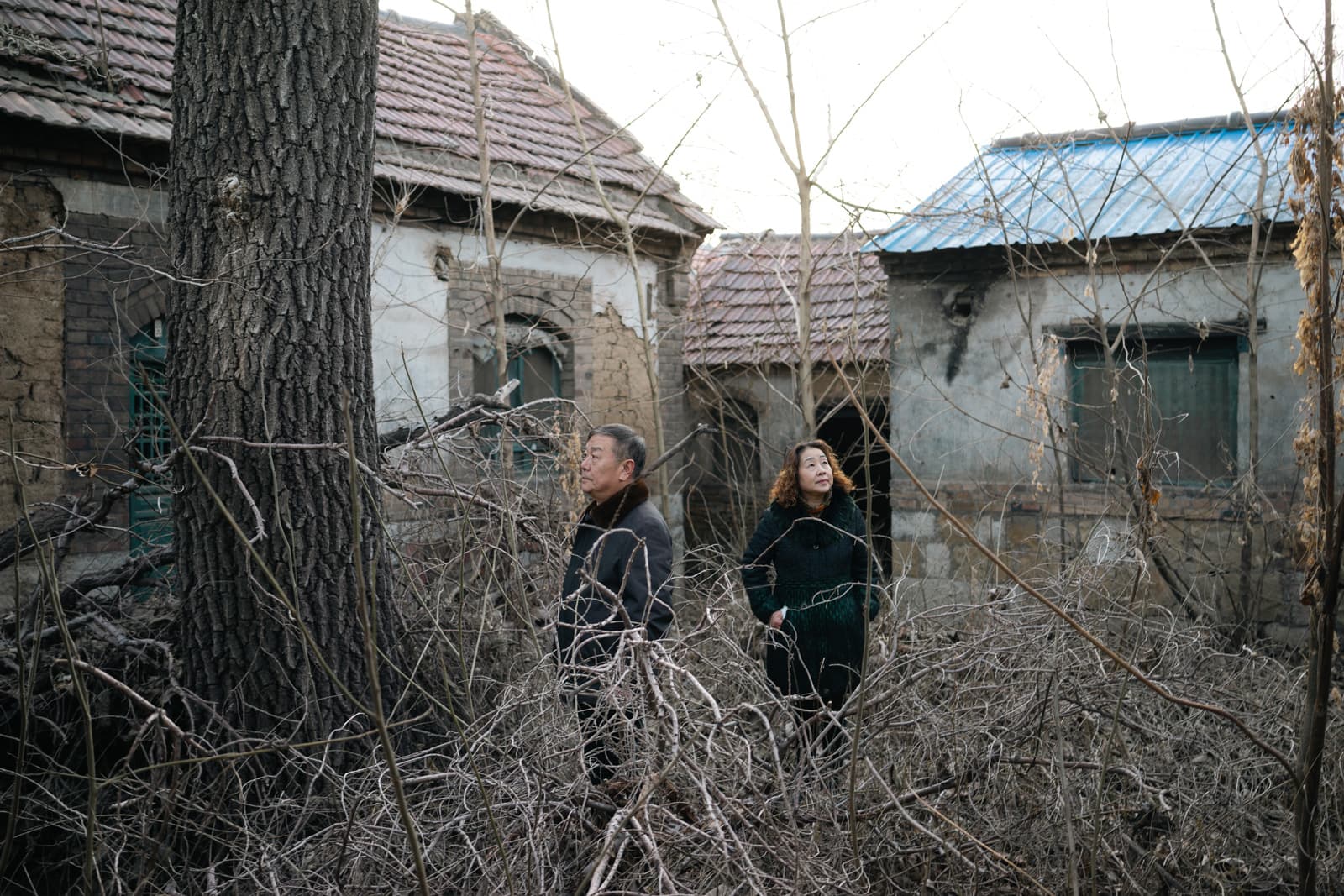
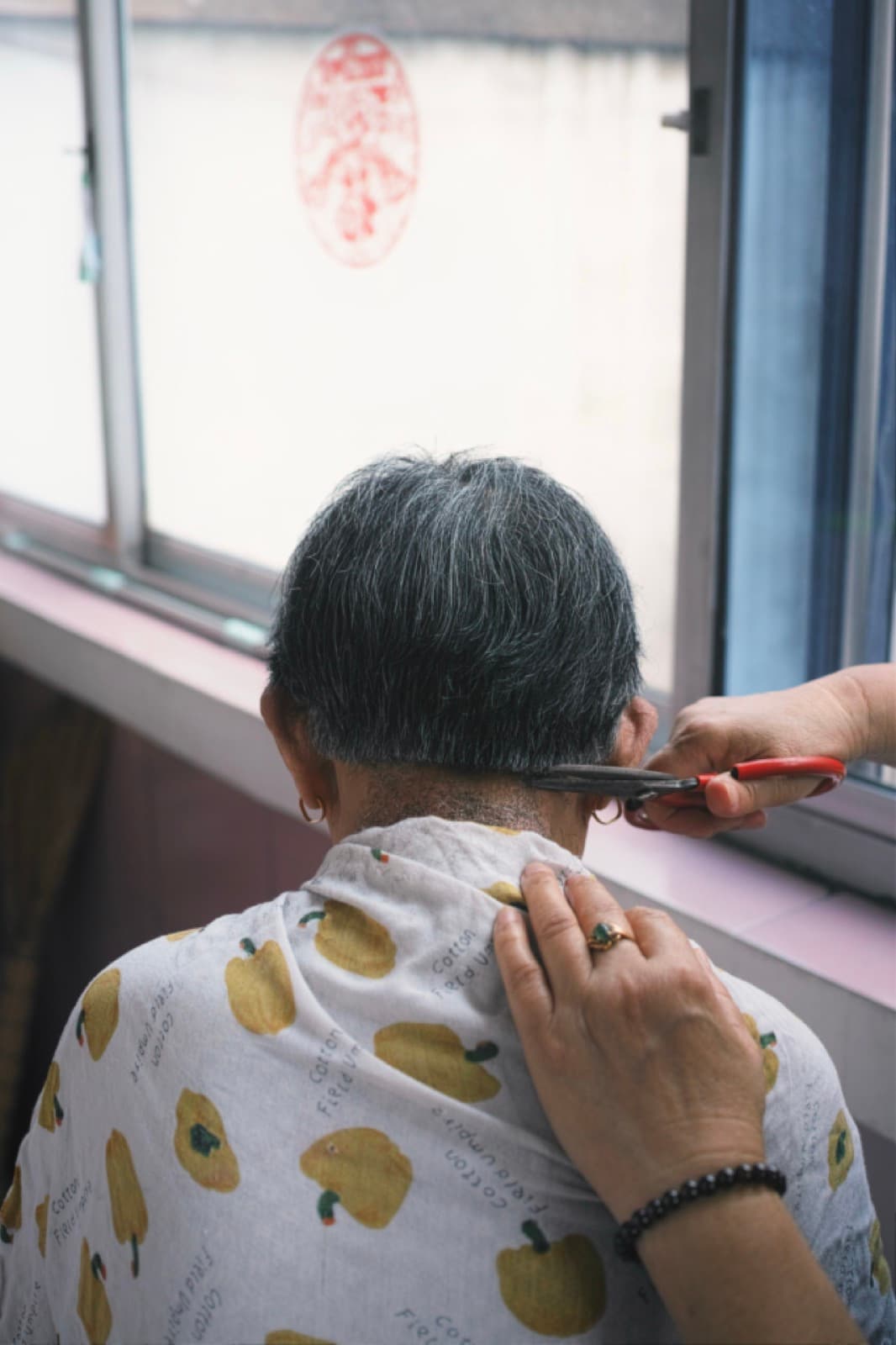
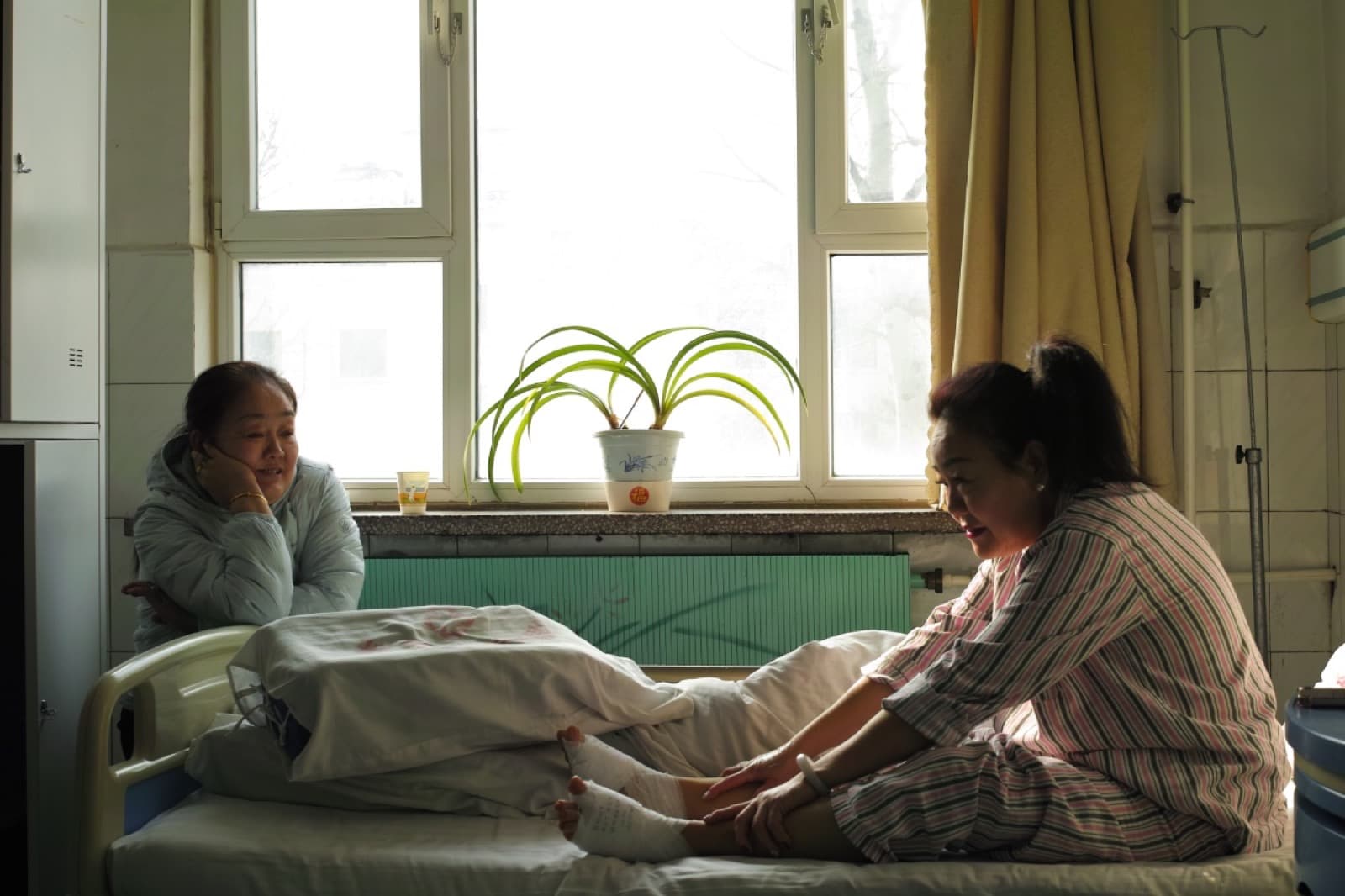
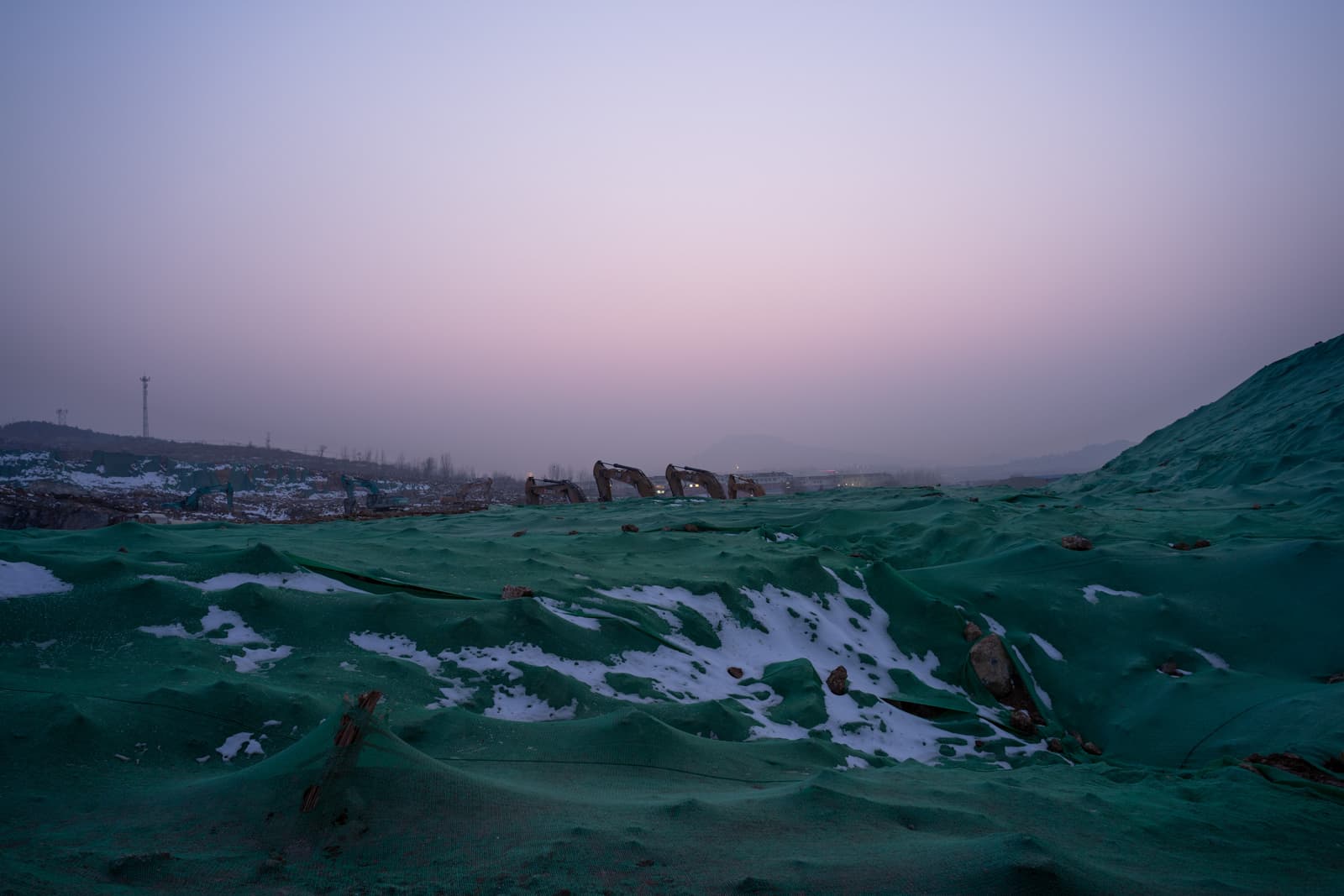
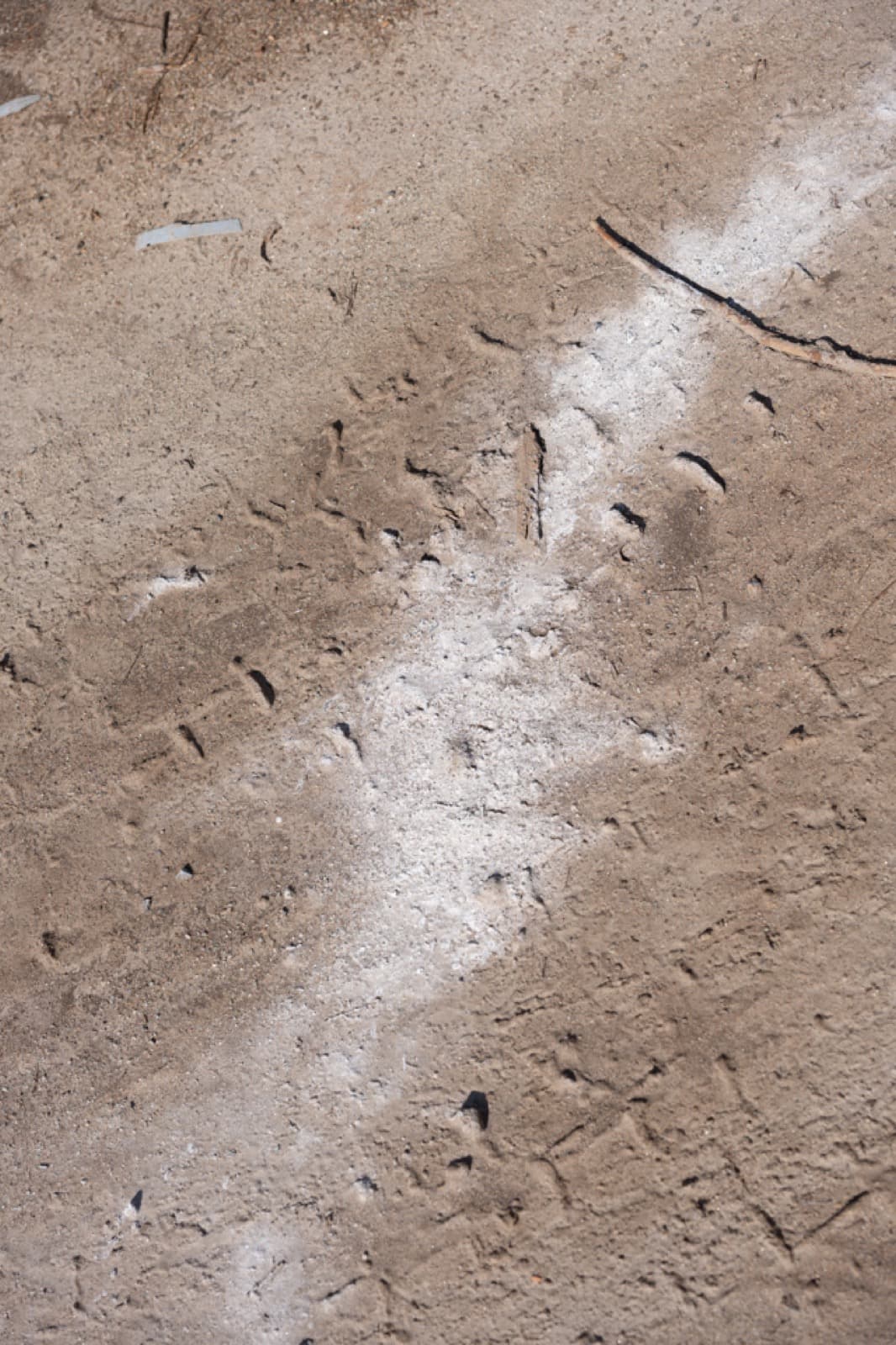
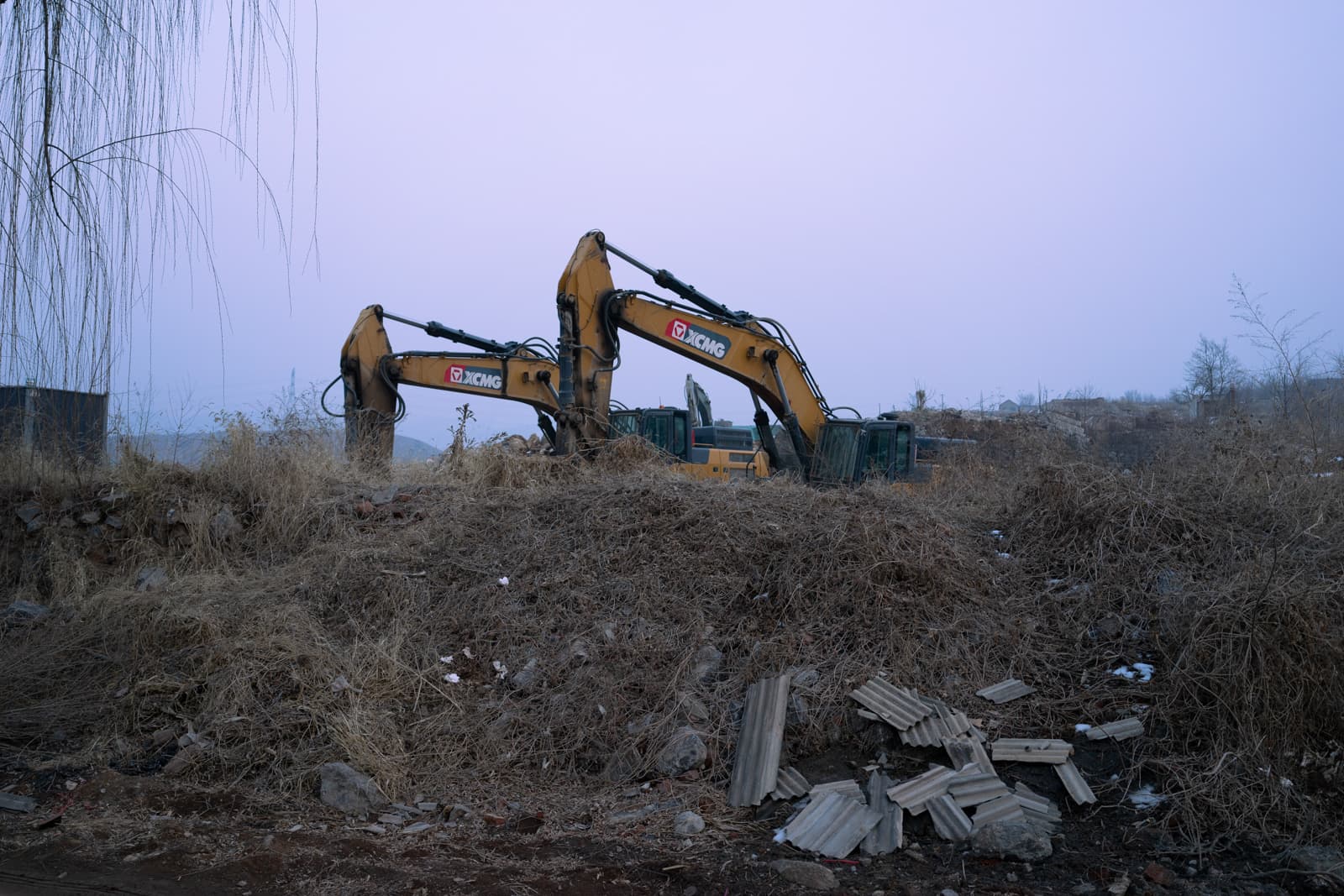
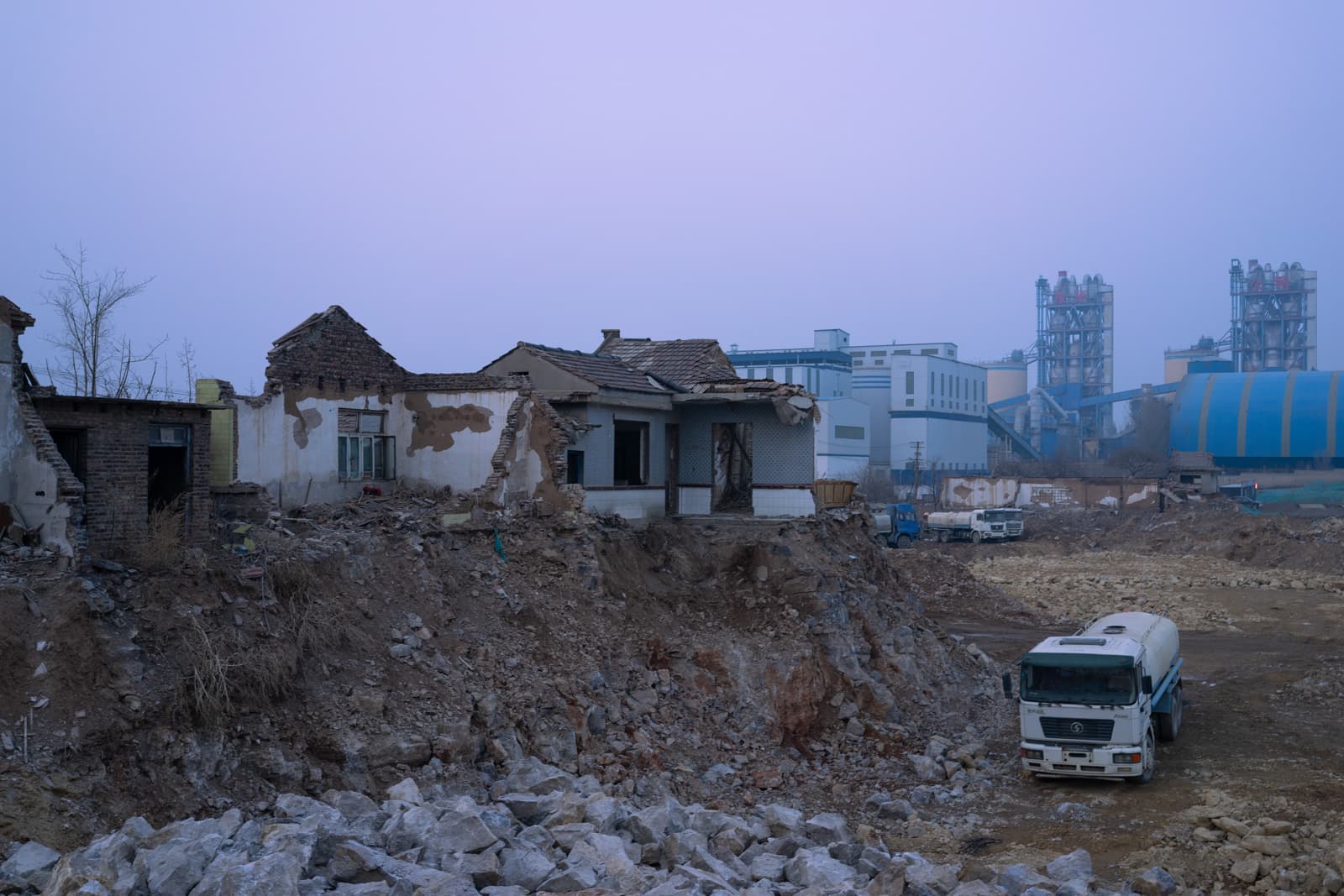
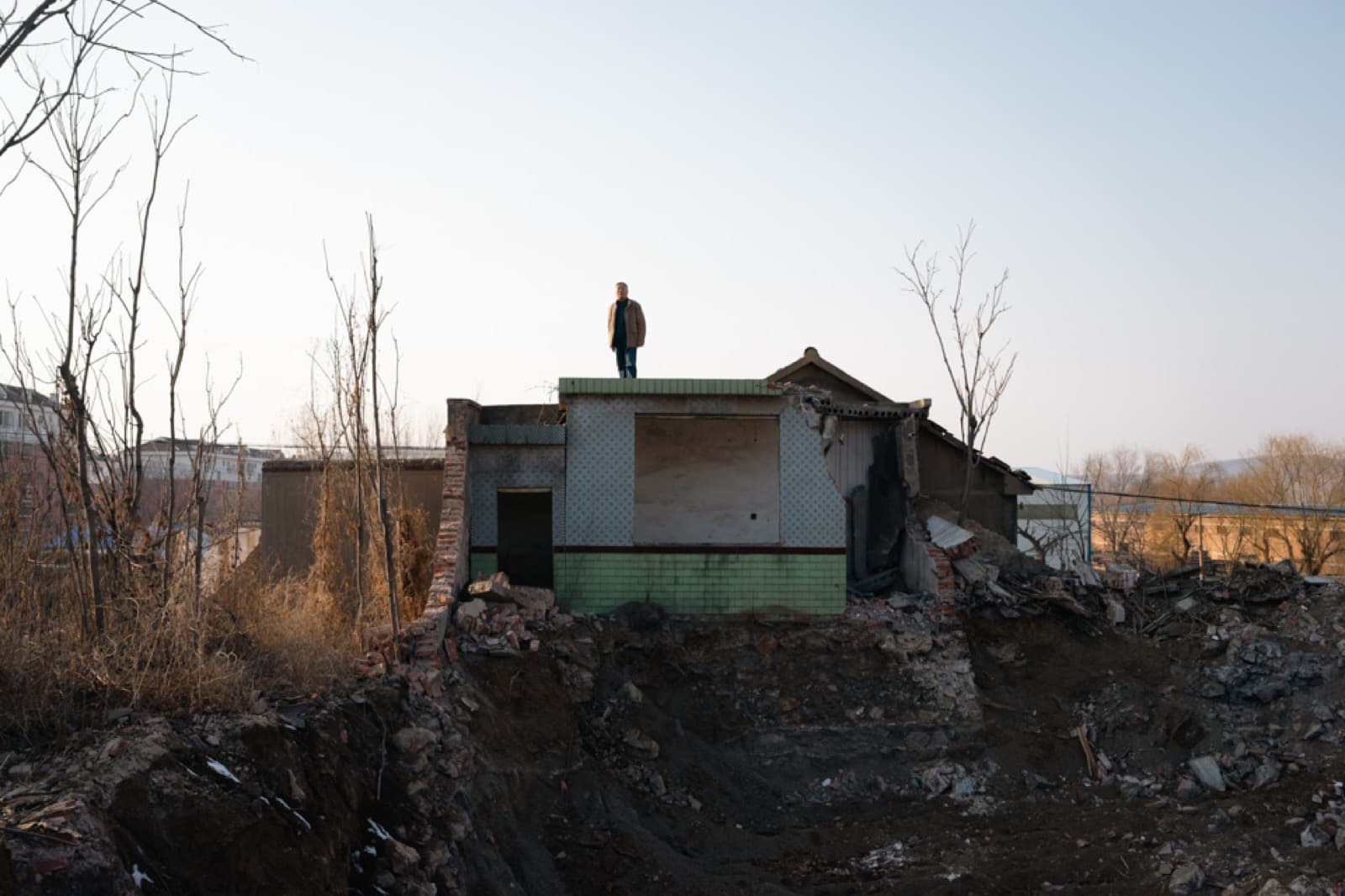
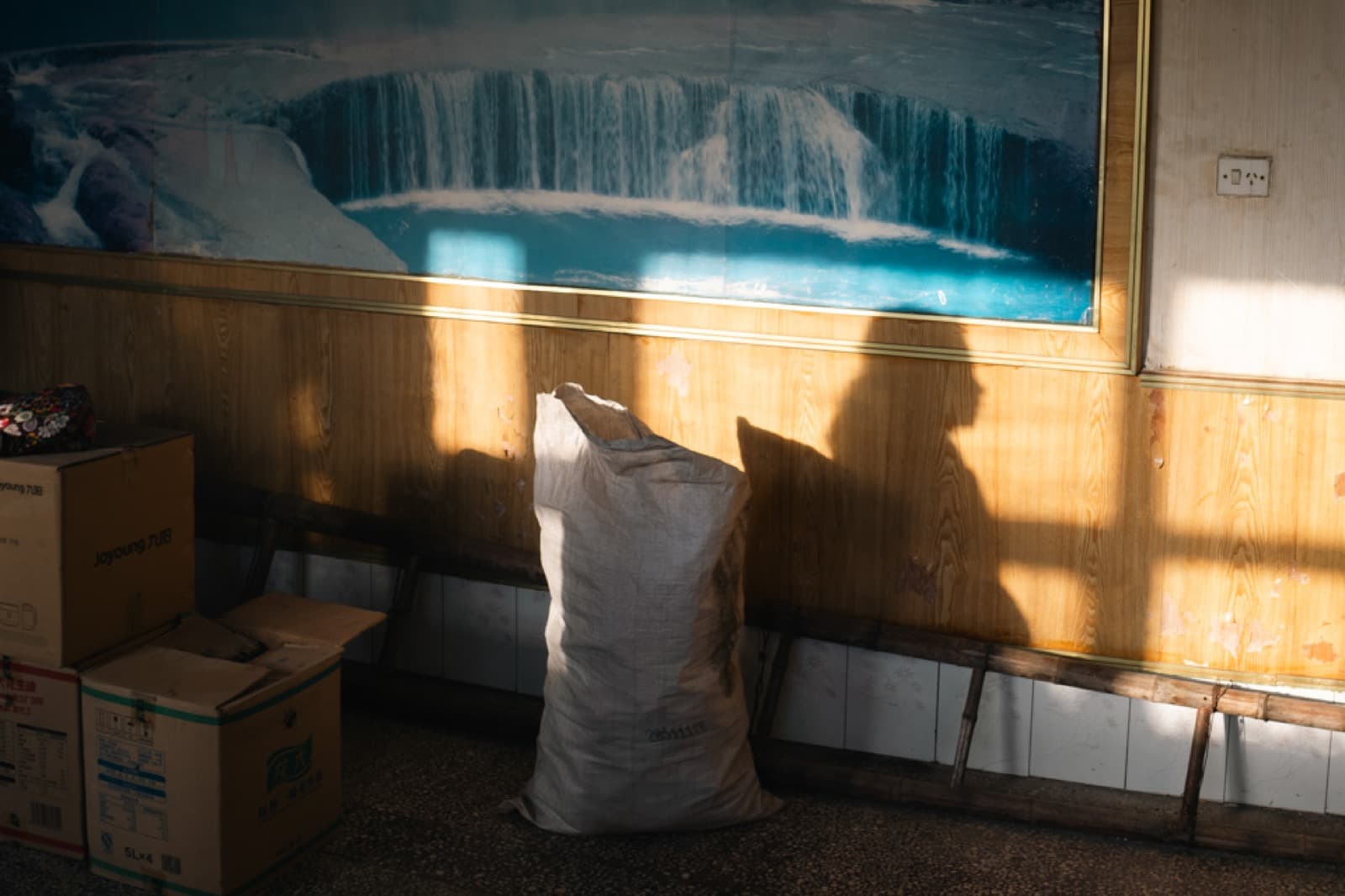
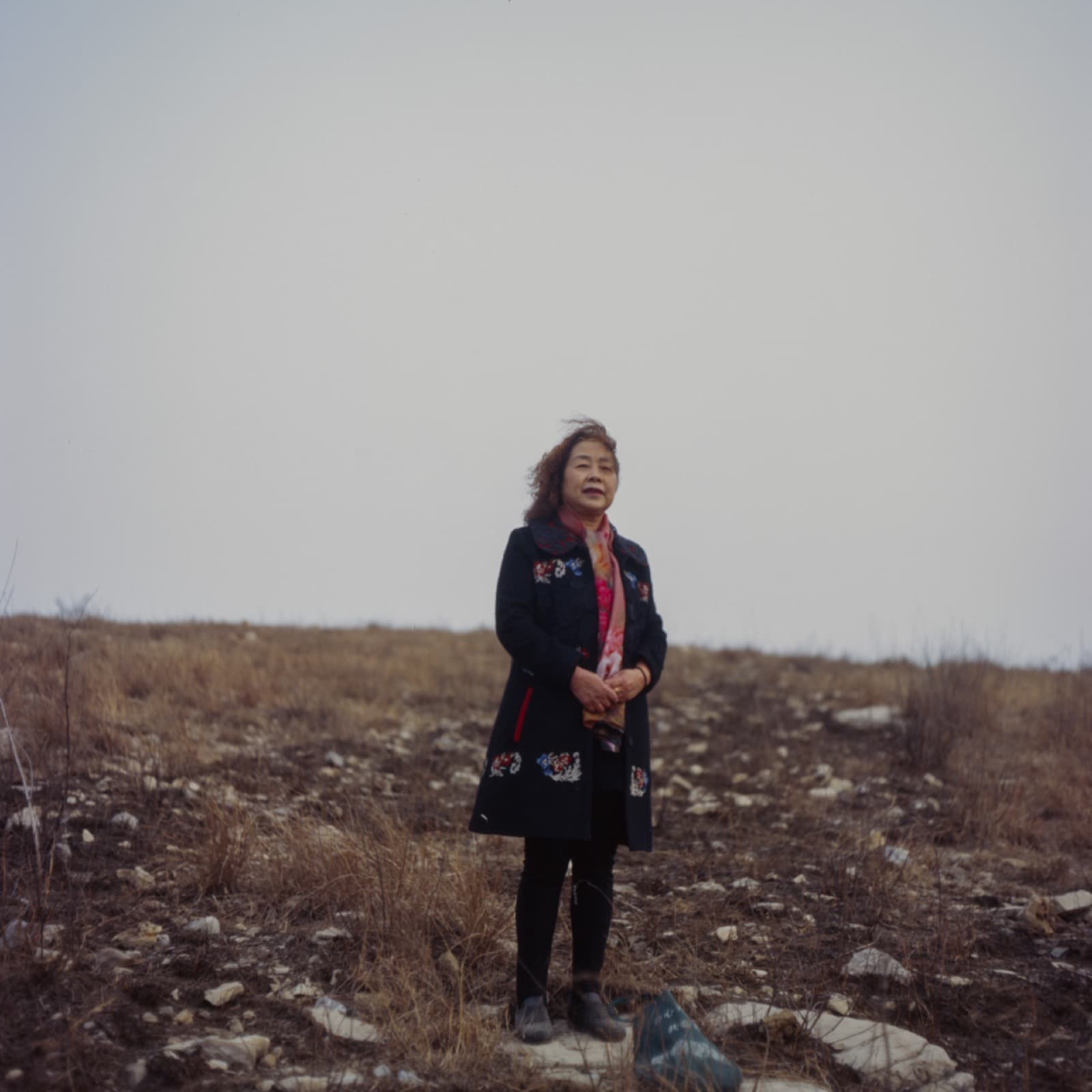
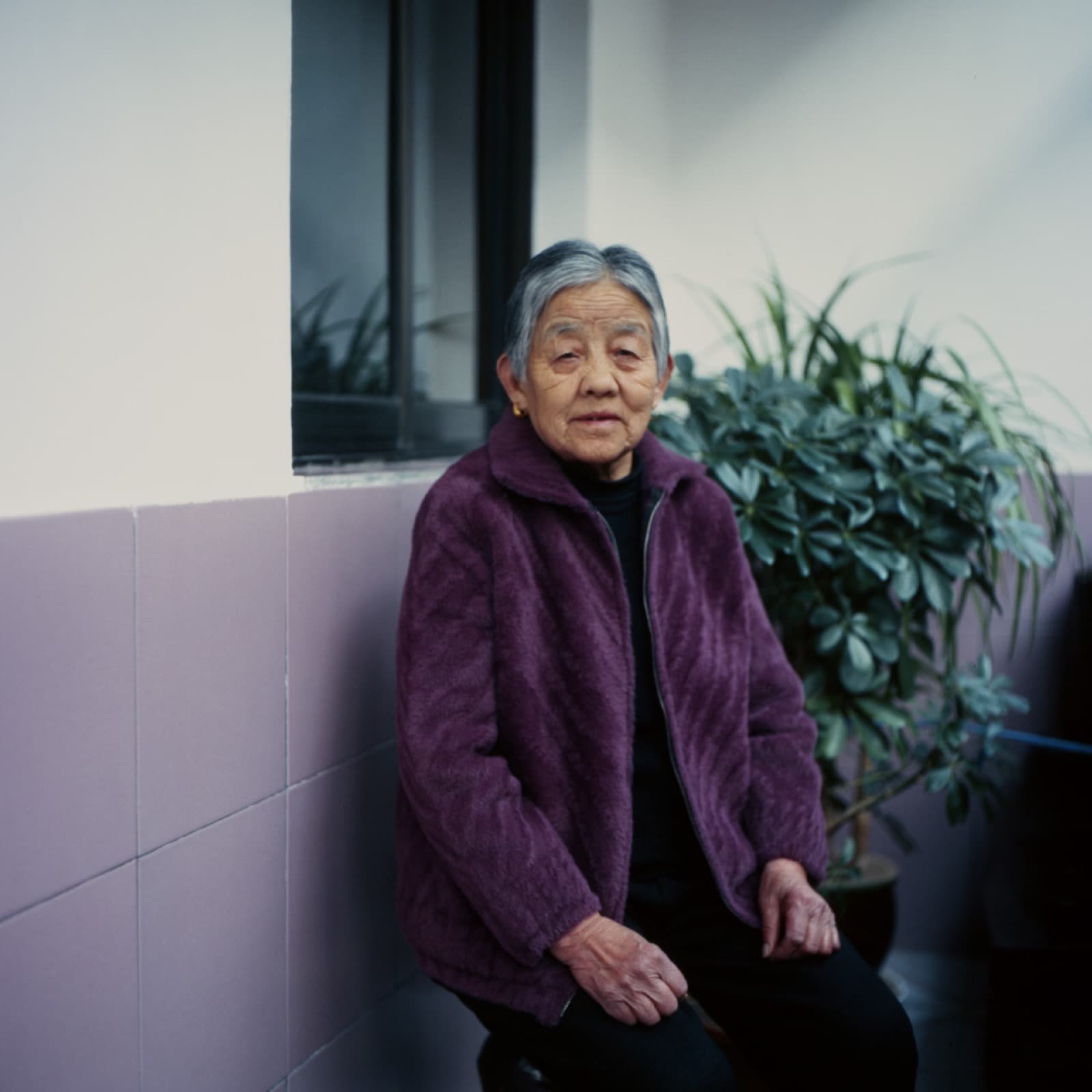
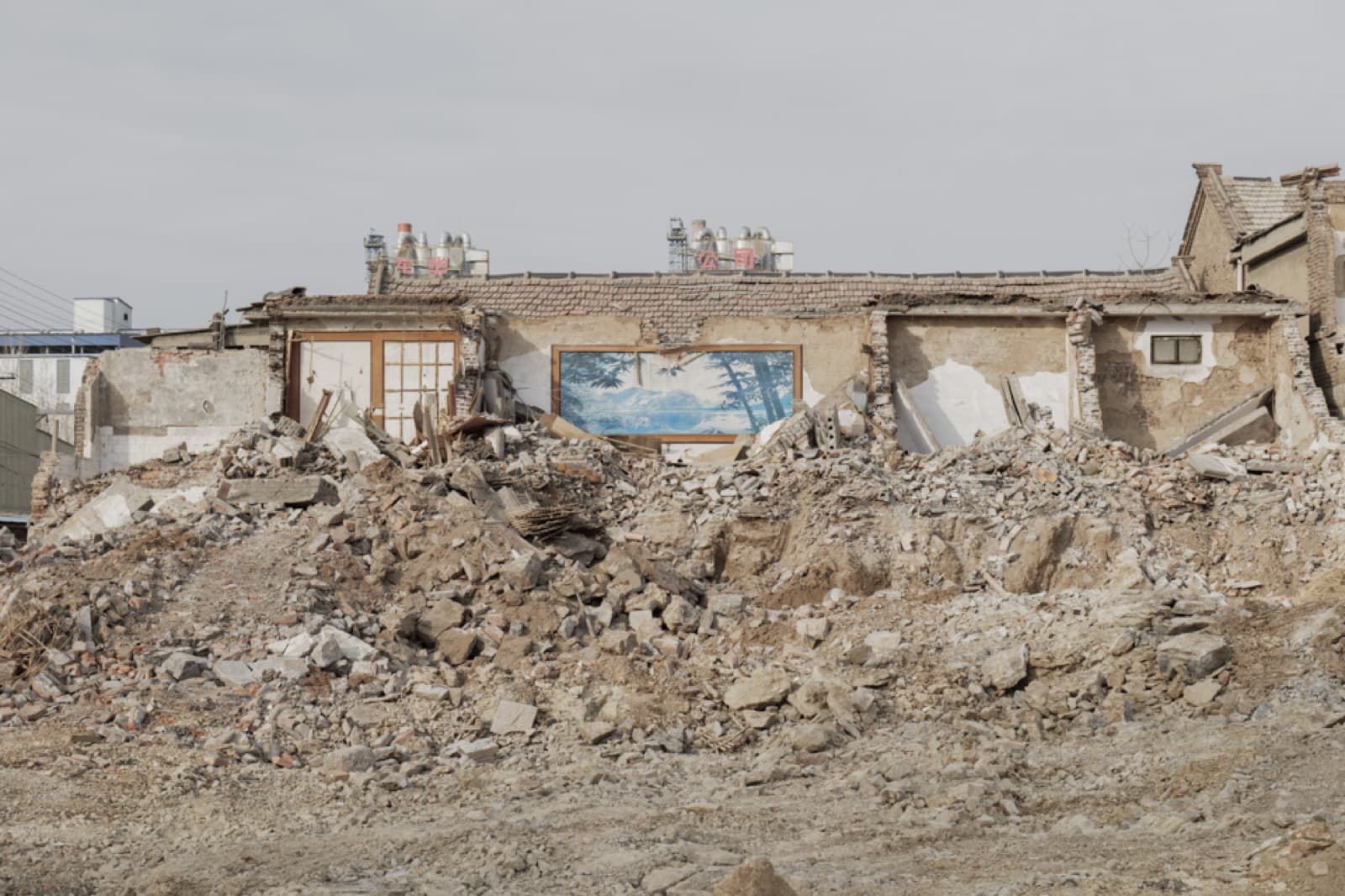
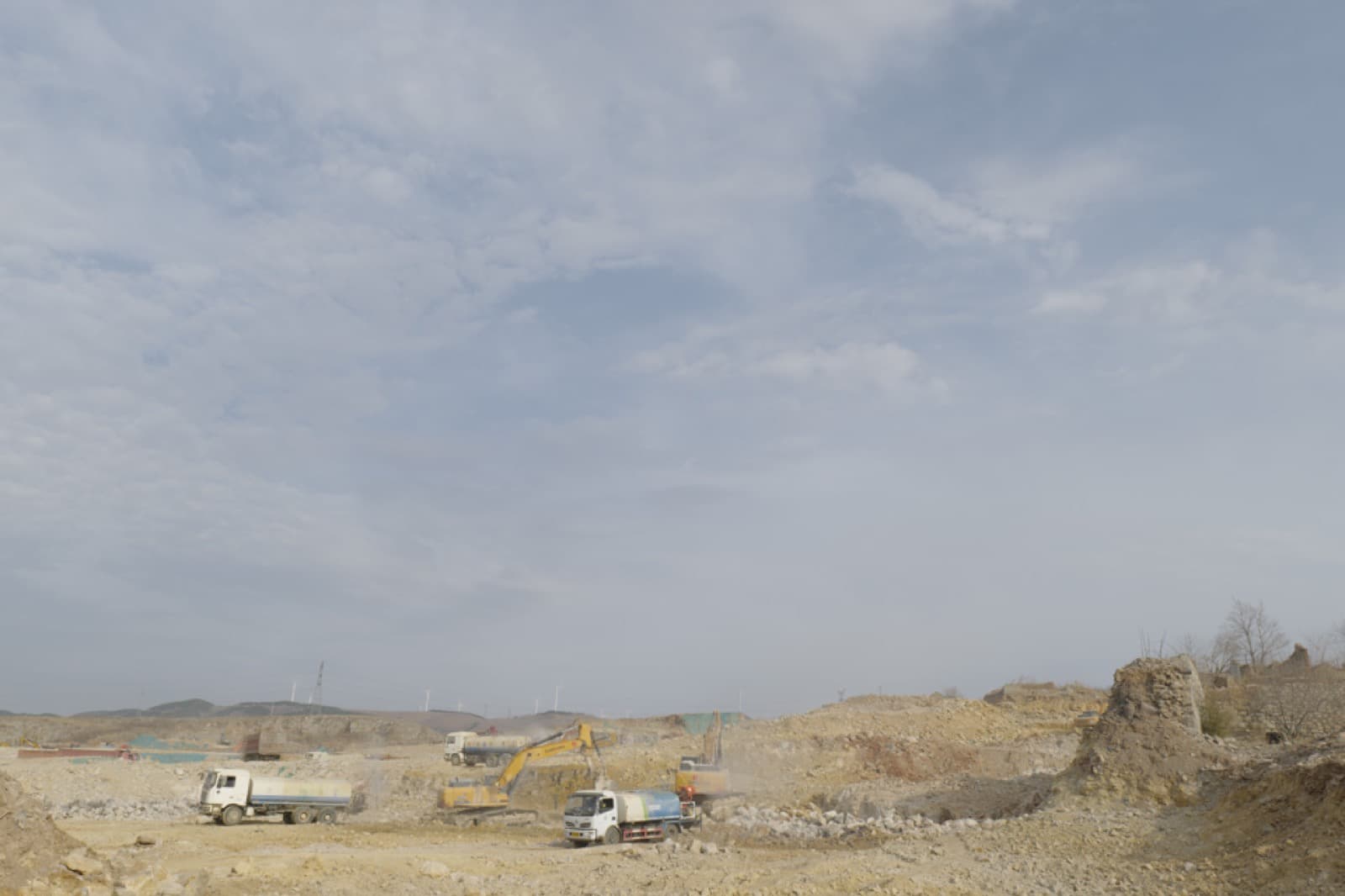
2020 年 11 月我从北京回到山东,突然意识到离上大学只剩半年多,于是很自发地拍下这组照片。我在故乡“找故乡”:走路、吃饭、咳嗽——用身体最日常的动作反复确认自己与这片土地的关系。那段时间我在看帕拉杰诺夫的《被遗忘的祖先的阴影》,“被遗忘的祖先”像一种提示:许多东西并没有消失,只是被新的秩序与更响的现实覆盖,仍在暗处投下影子。后来春节我得知村子即将集体拆迁,姥姥反复谈论死亡,担心成为家人的负担;饭店与她的存在也许一直维系着家族的聚拢。随着信息揭露,我才知道开发商觊觎的只是有限矿藏而非重建承诺。爆破声里,旧恩怨与许诺一起被抹去,我不得不直面某种惨淡,也因此困惑:这样的变化真的算是进步吗?这组作品从乡愁出发,最终落在一种更冷的注视——记录日常碎片里被迫更新的生活,以及那些被遗忘却持续影响我们的阴影。
In November 2020, I returned from Beijing to Shandong and suddenly realized I had only a little more than half a year before leaving for university. I began photographing almost instinctively. I was looking for “hometown” inside my hometown—walking, eating, coughing—repeating the most ordinary bodily actions as a way of testing my connection to the land. Around that time I was watching Sergei Parajanov’s Shadows of Forgotten Ancestors, and I borrowed the phrase “forgotten ancestors” as a title. It felt like a reminder: many things have not disappeared; they have simply been covered over by new orders and louder realities, yet they continue to cast shadows from the dark. That Spring Festival, I learned the village was facing a collective demolition; my grandmother often spoke about death, fearing she might become a burden, and I began to see how the restaurant and her presence had held the family together. As more details surfaced, it became clear that what the developer wanted was the limited mineral resources beneath our feet—not the promised rebuilding. In the blasts, old grudges and old promises were erased together. I could not avoid a bleaker view, and a lingering question: does this kind of change truly count as progress? The work begins with nostalgia, but arrives at a colder gaze—recording lives forced to renew themselves through everyday fragments, and what has been forgotten, yet continues to shape us in unseen ways.