Swipe or use the arrows to move through the full sequence.
Statement / 阐述
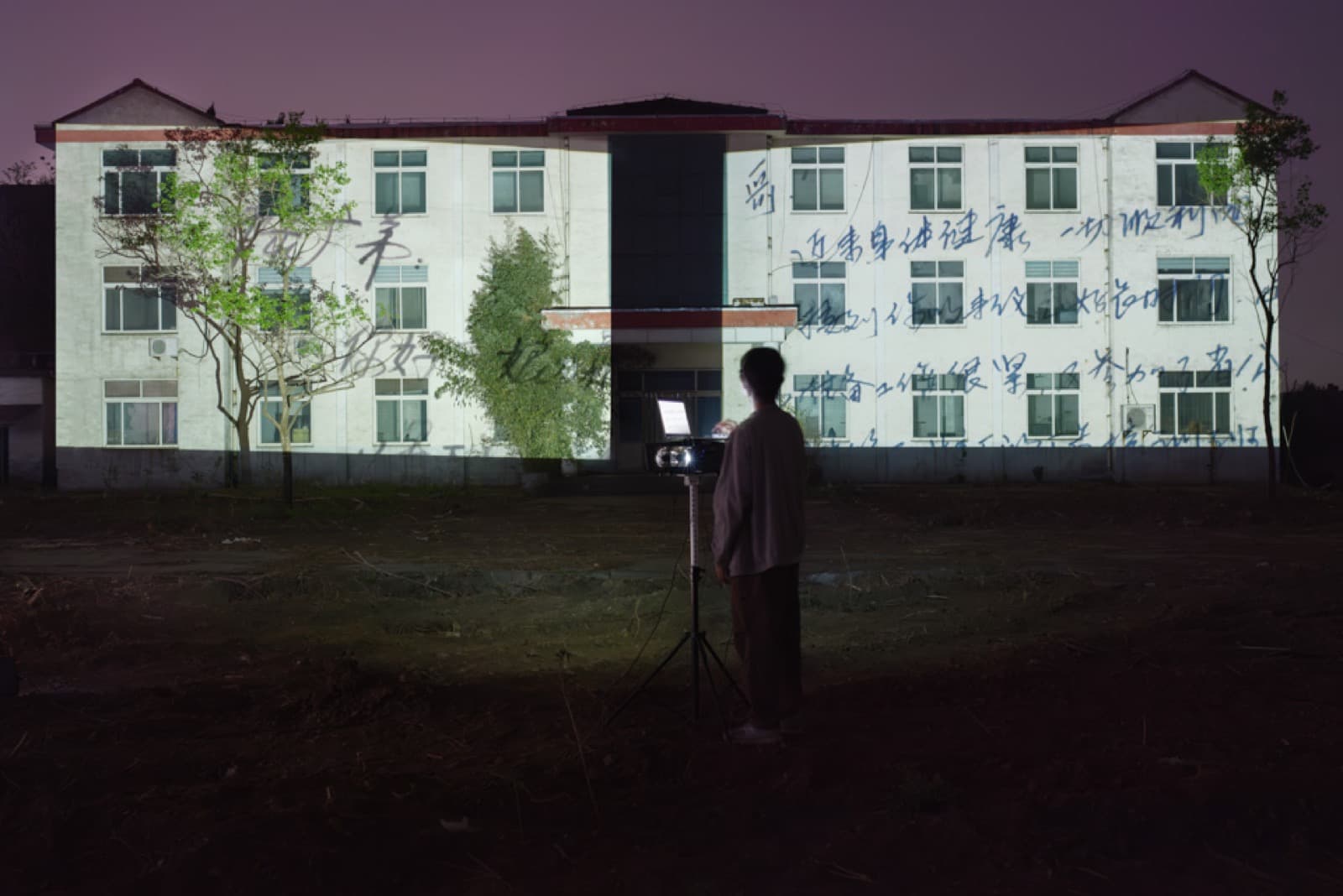
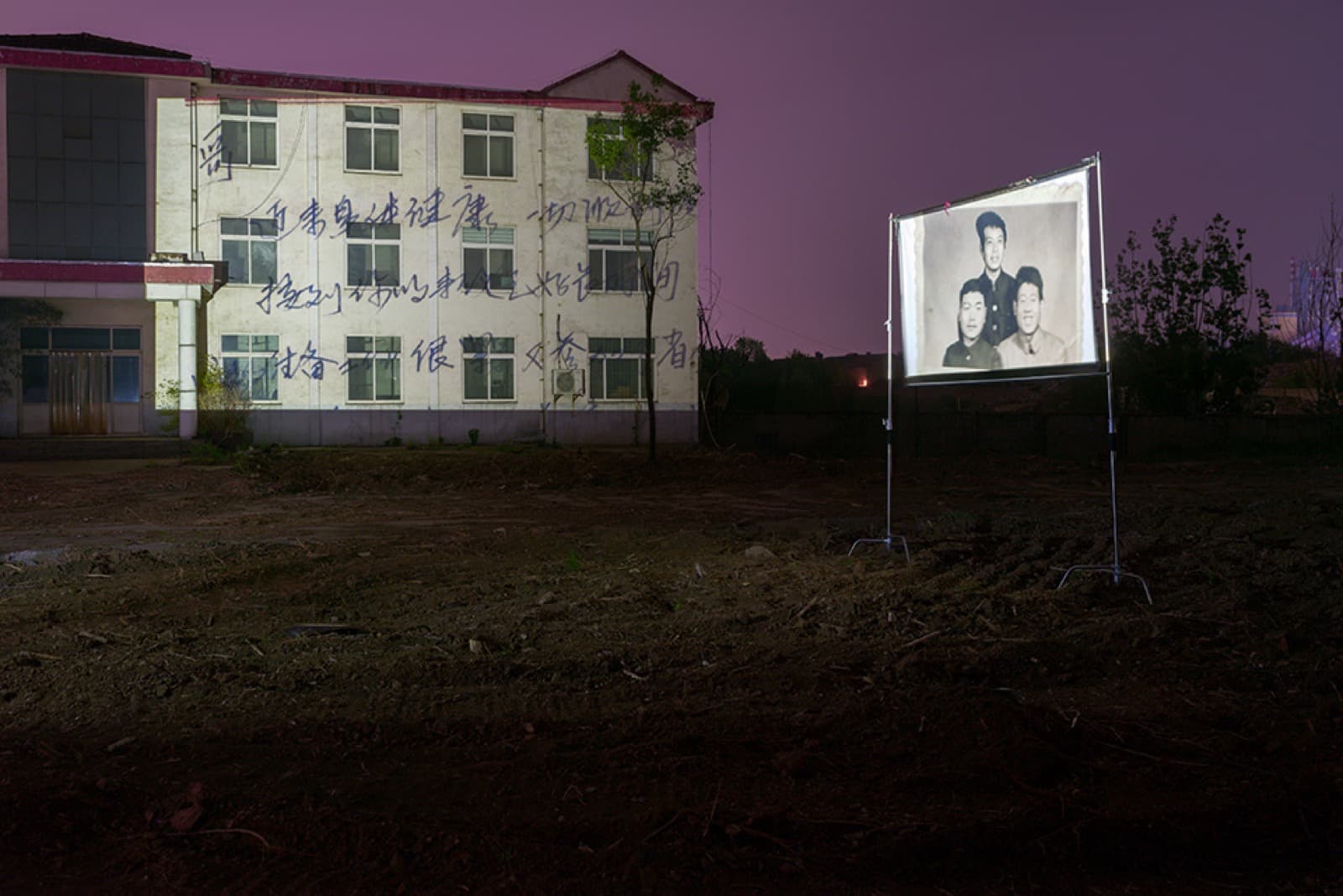
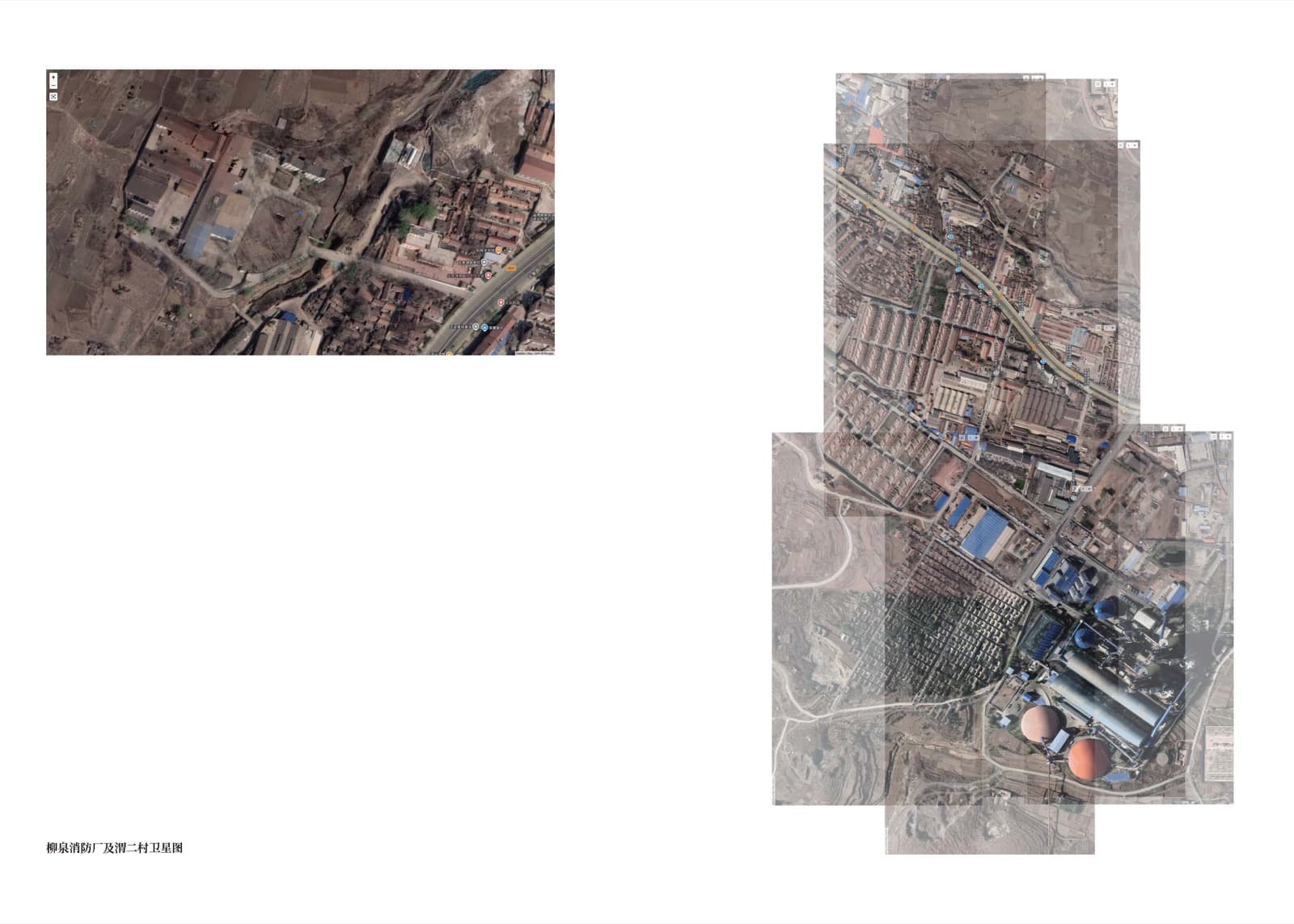
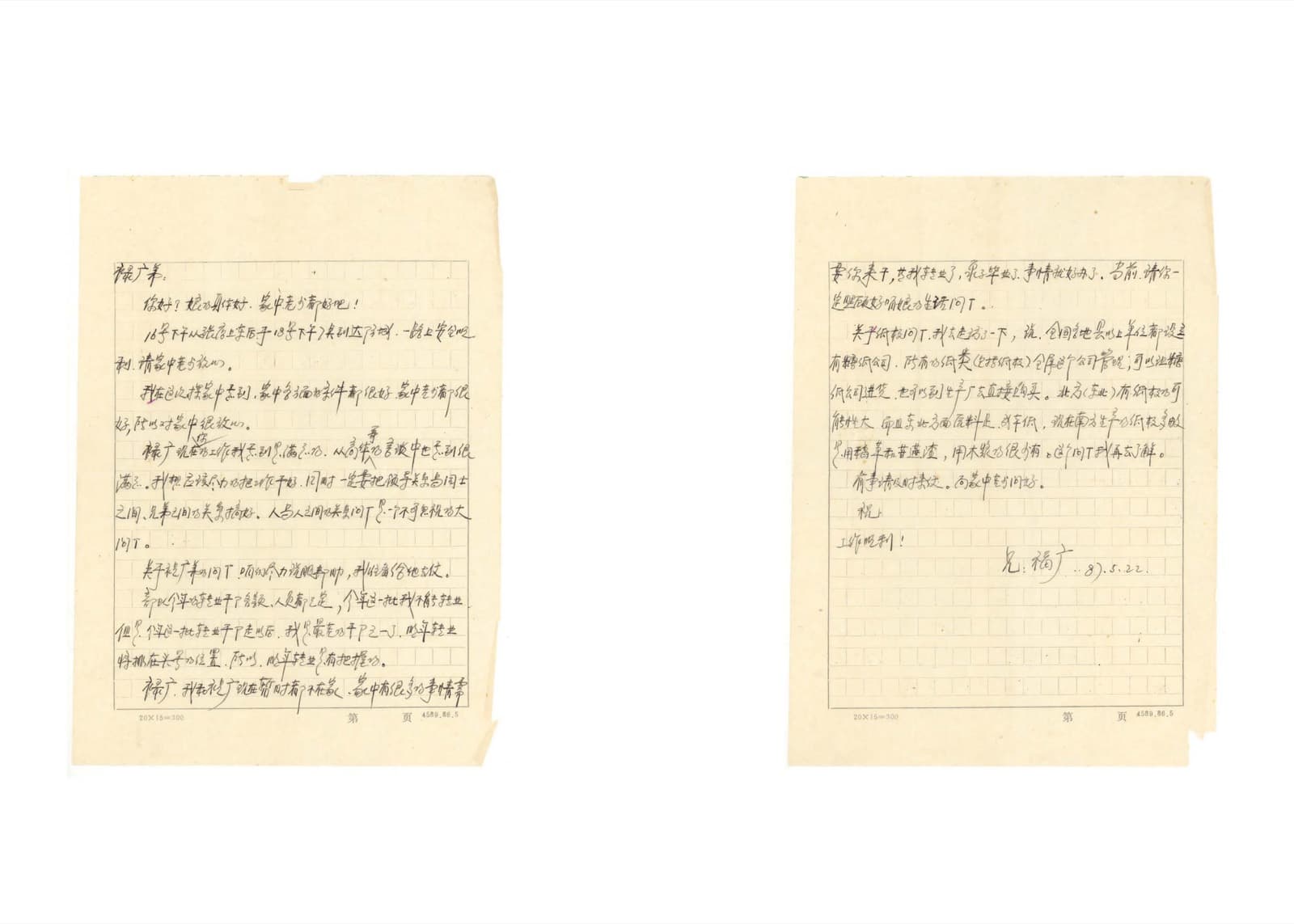
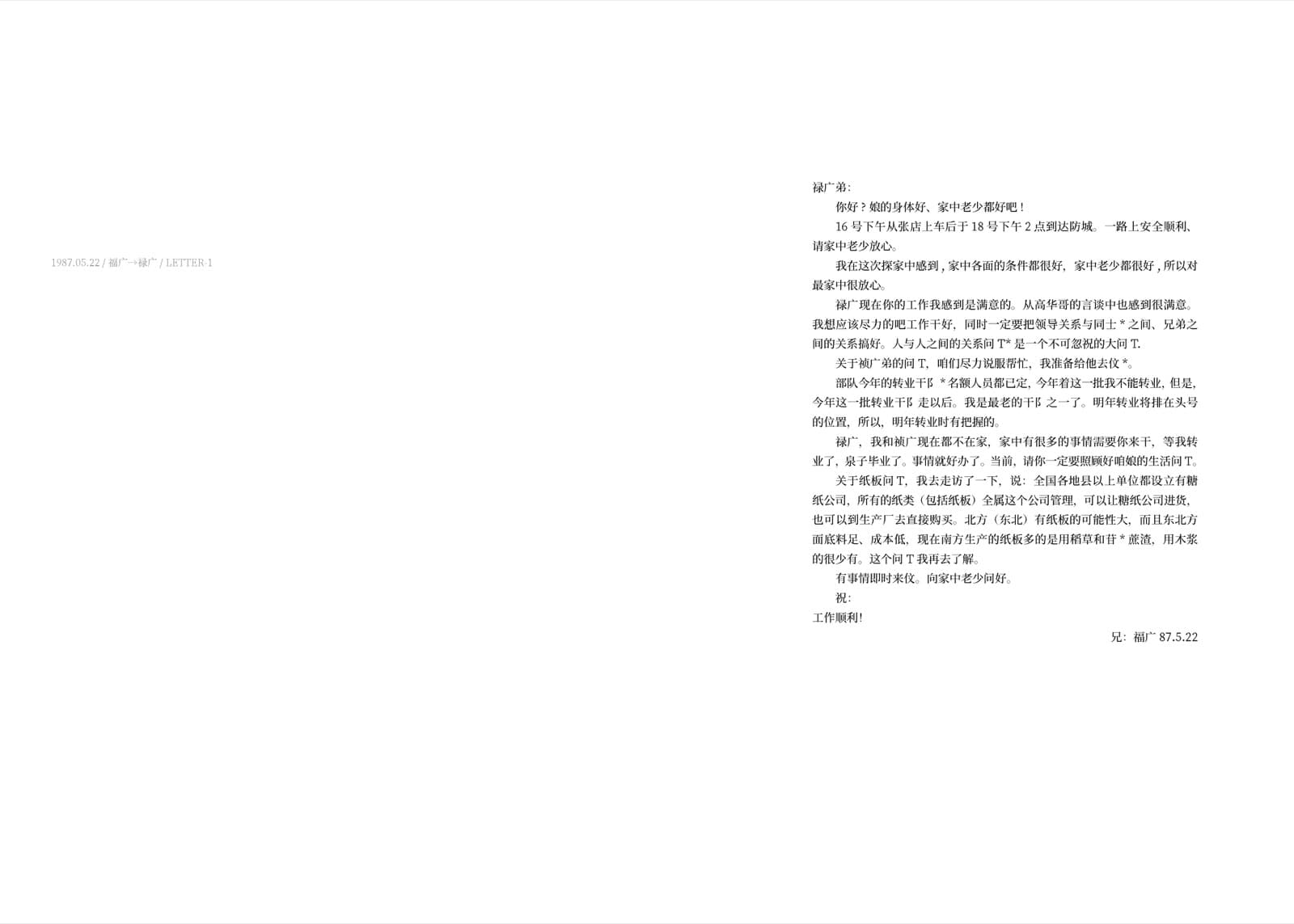
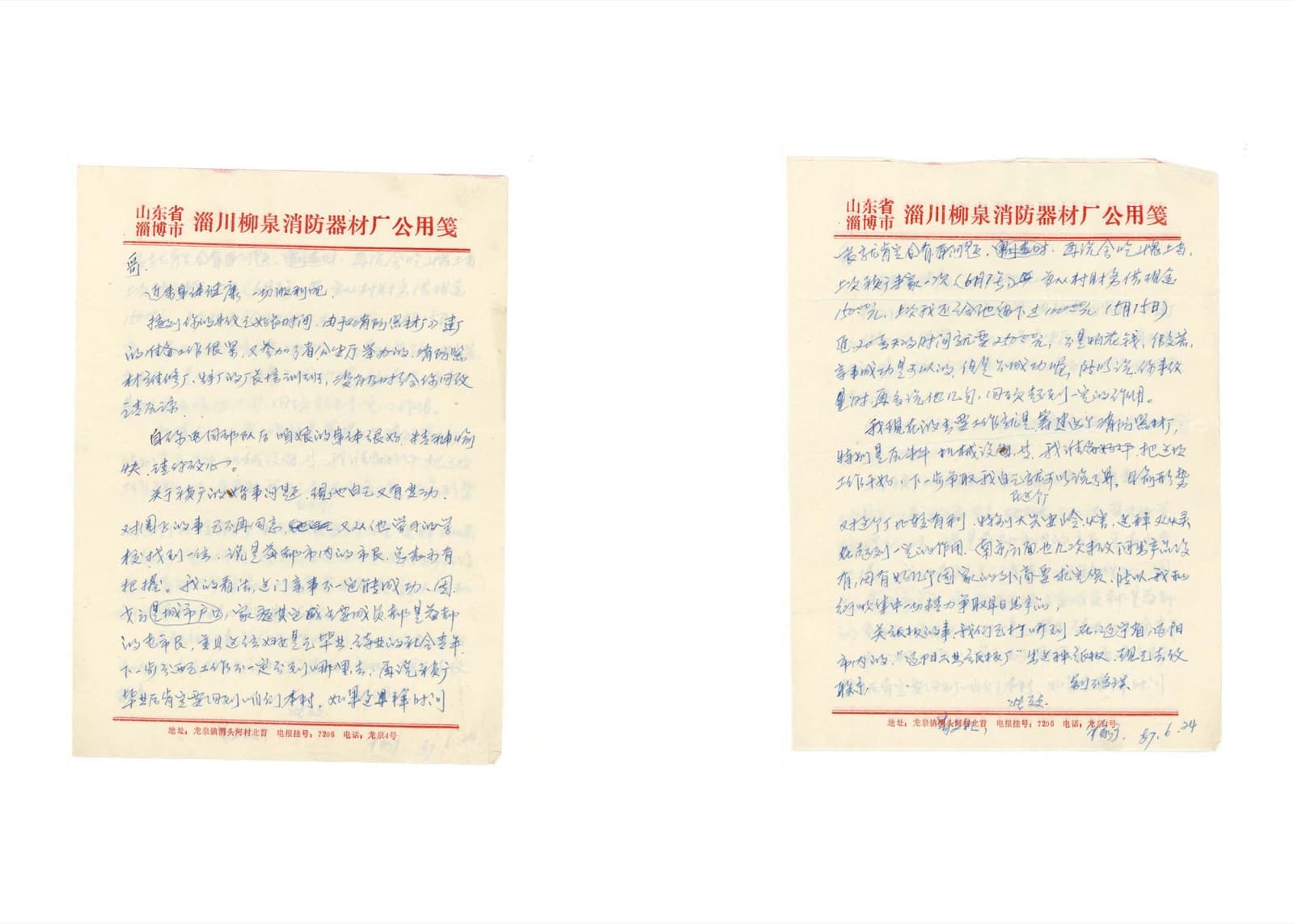
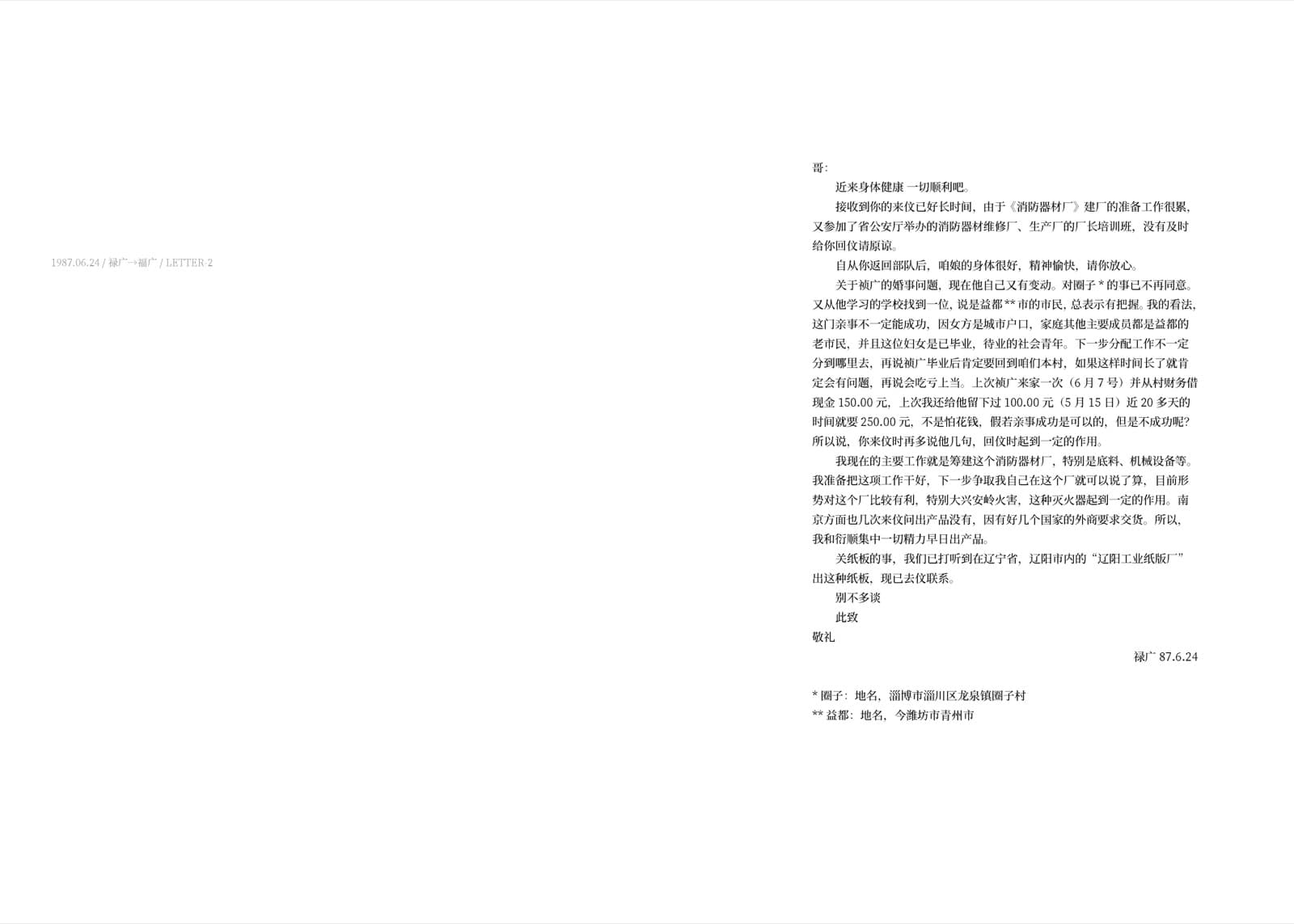
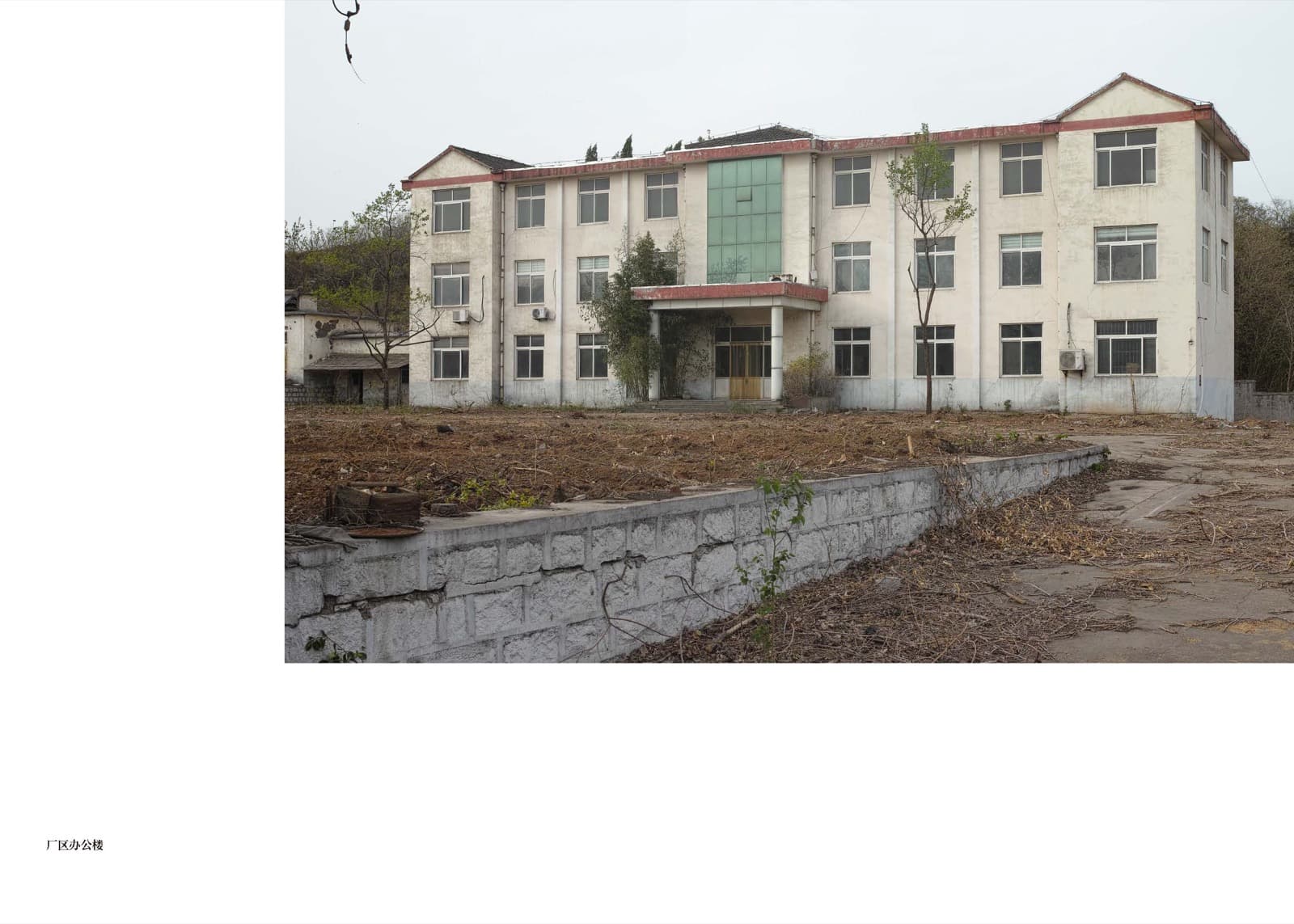
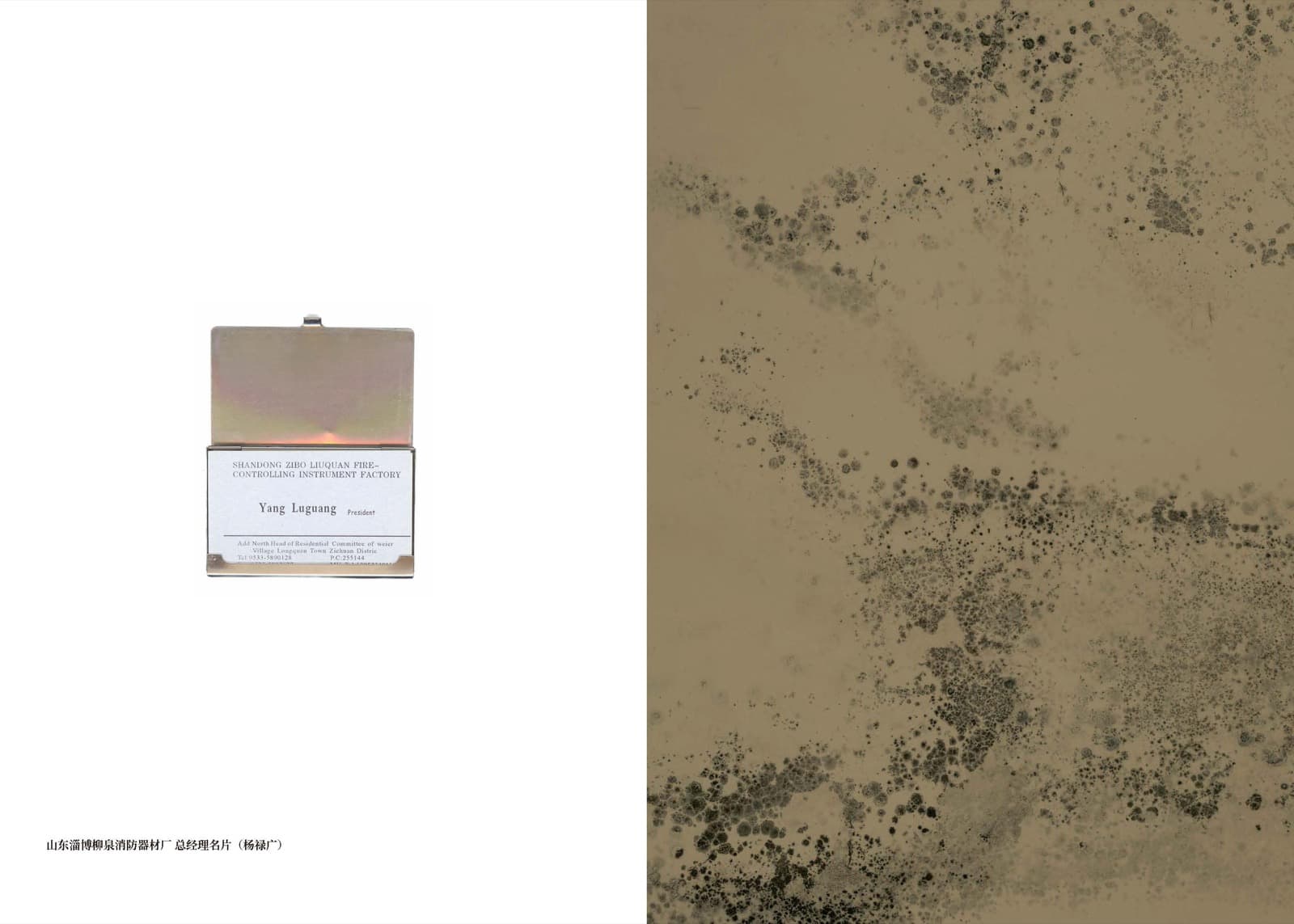
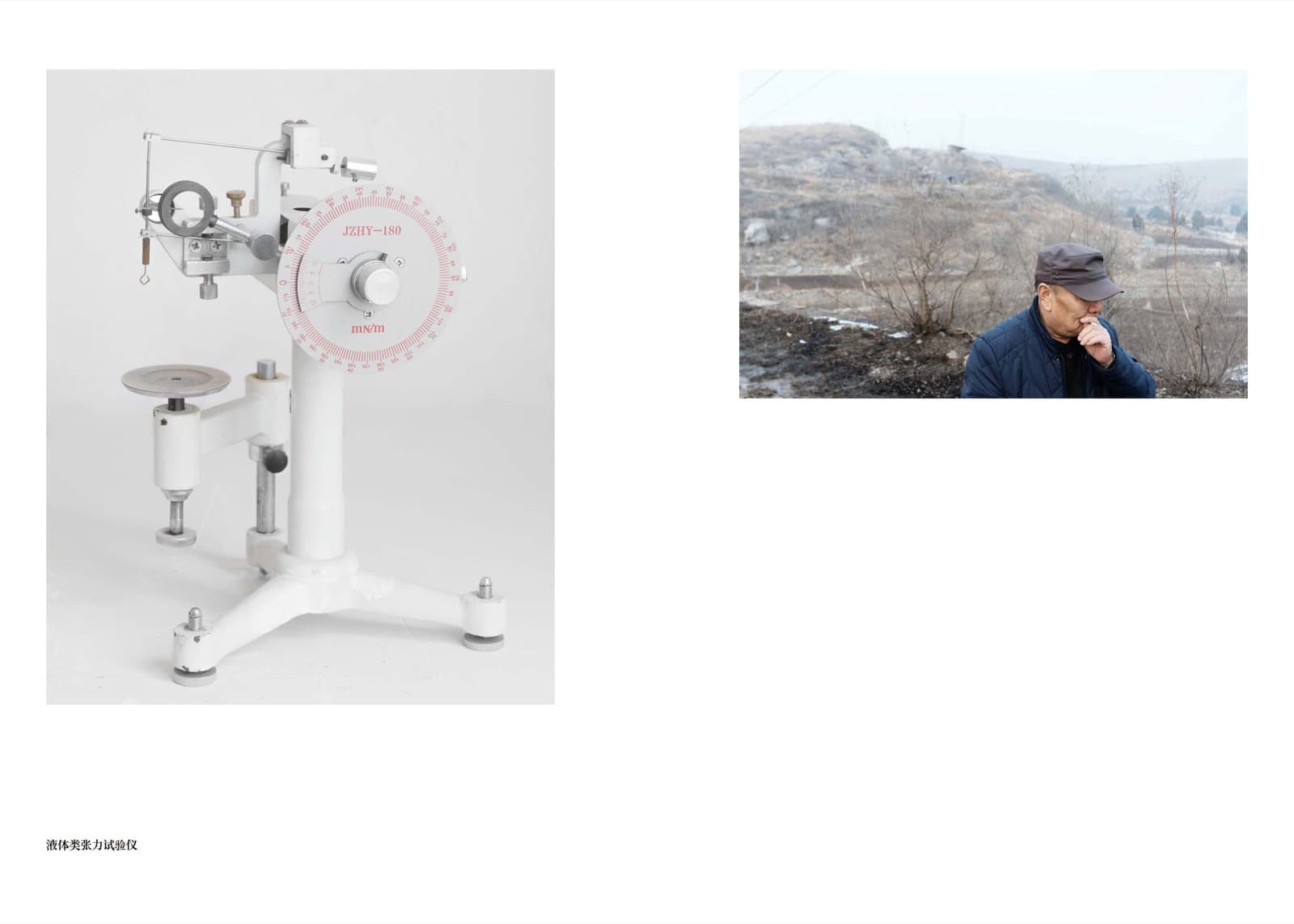
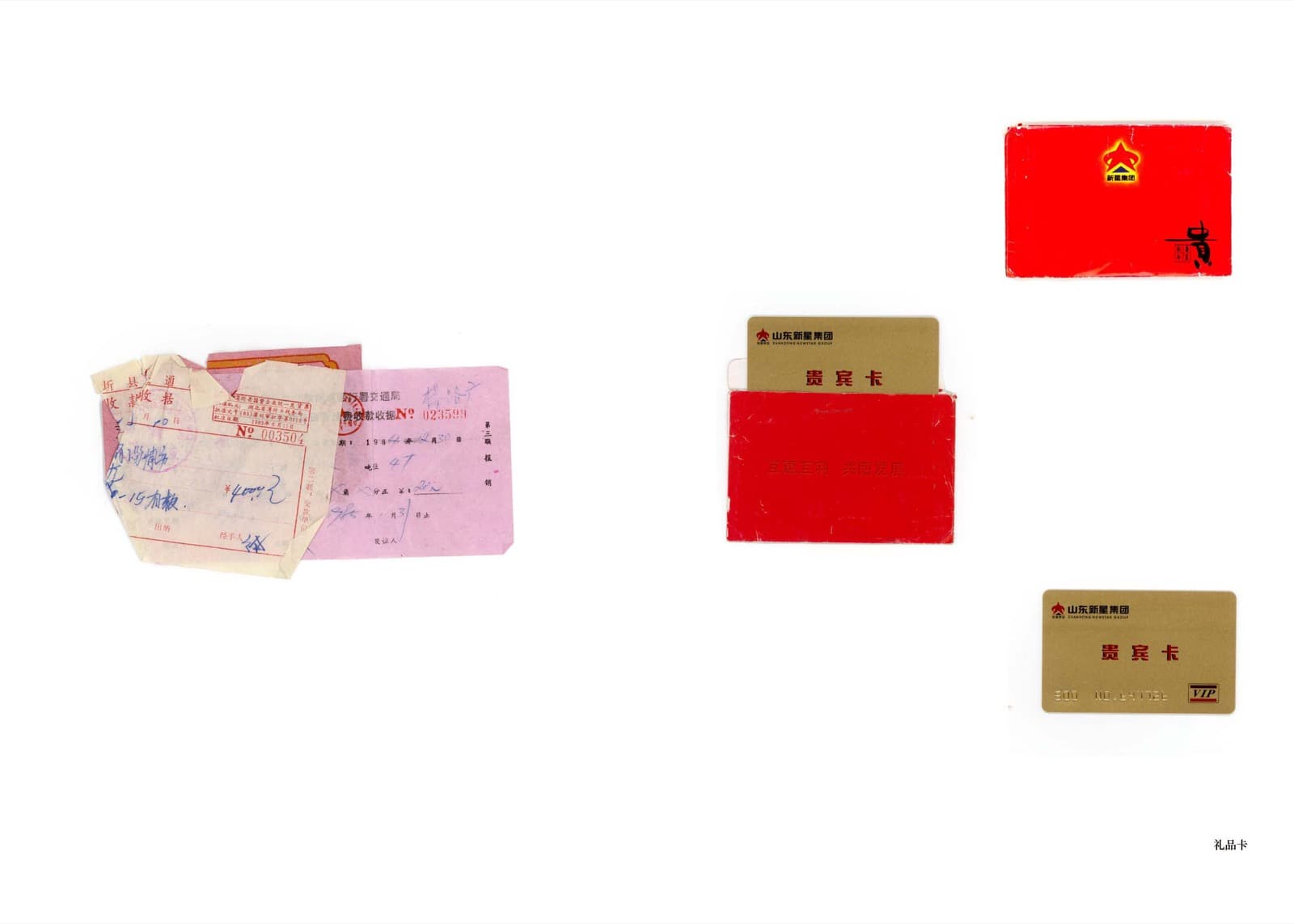
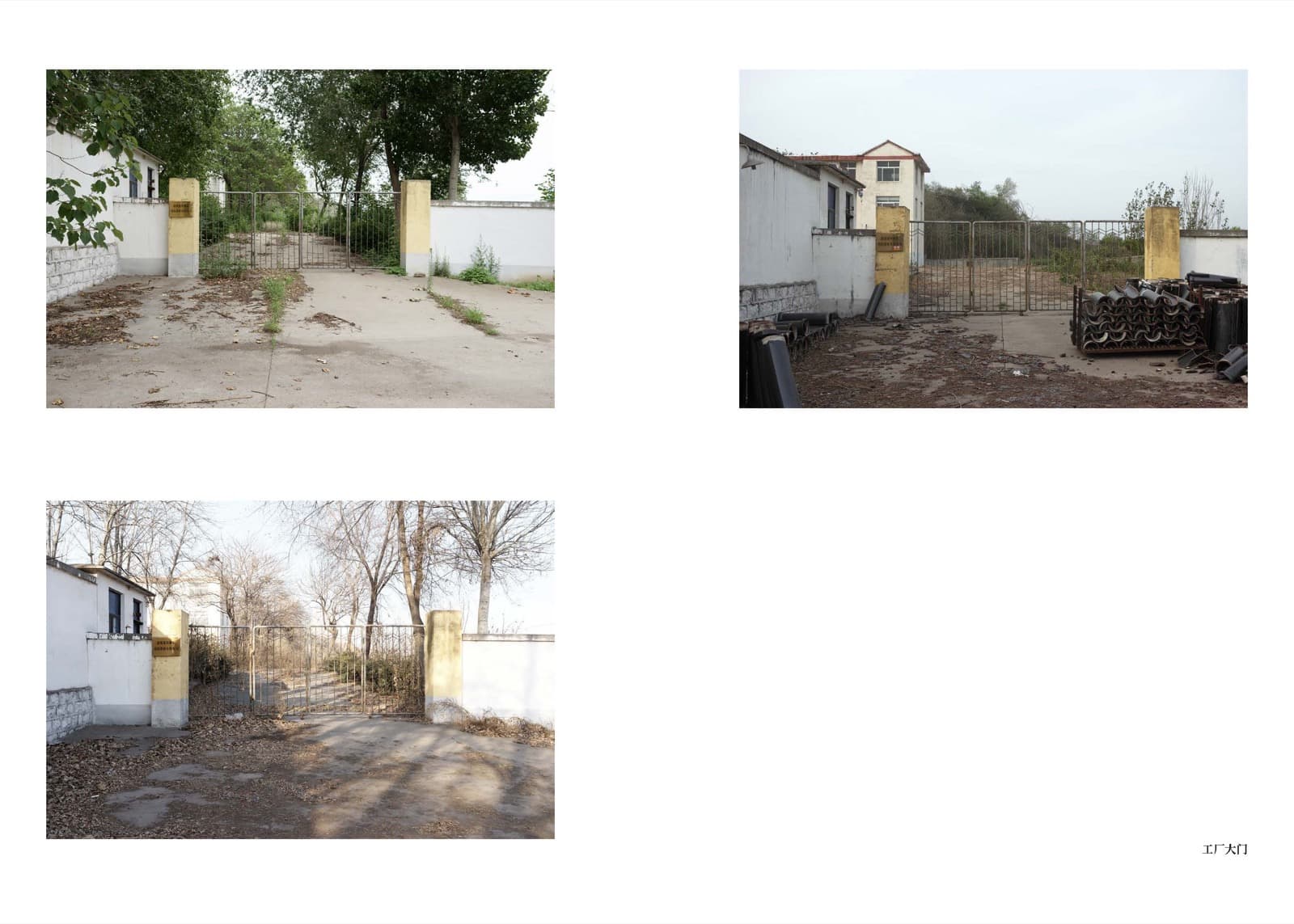
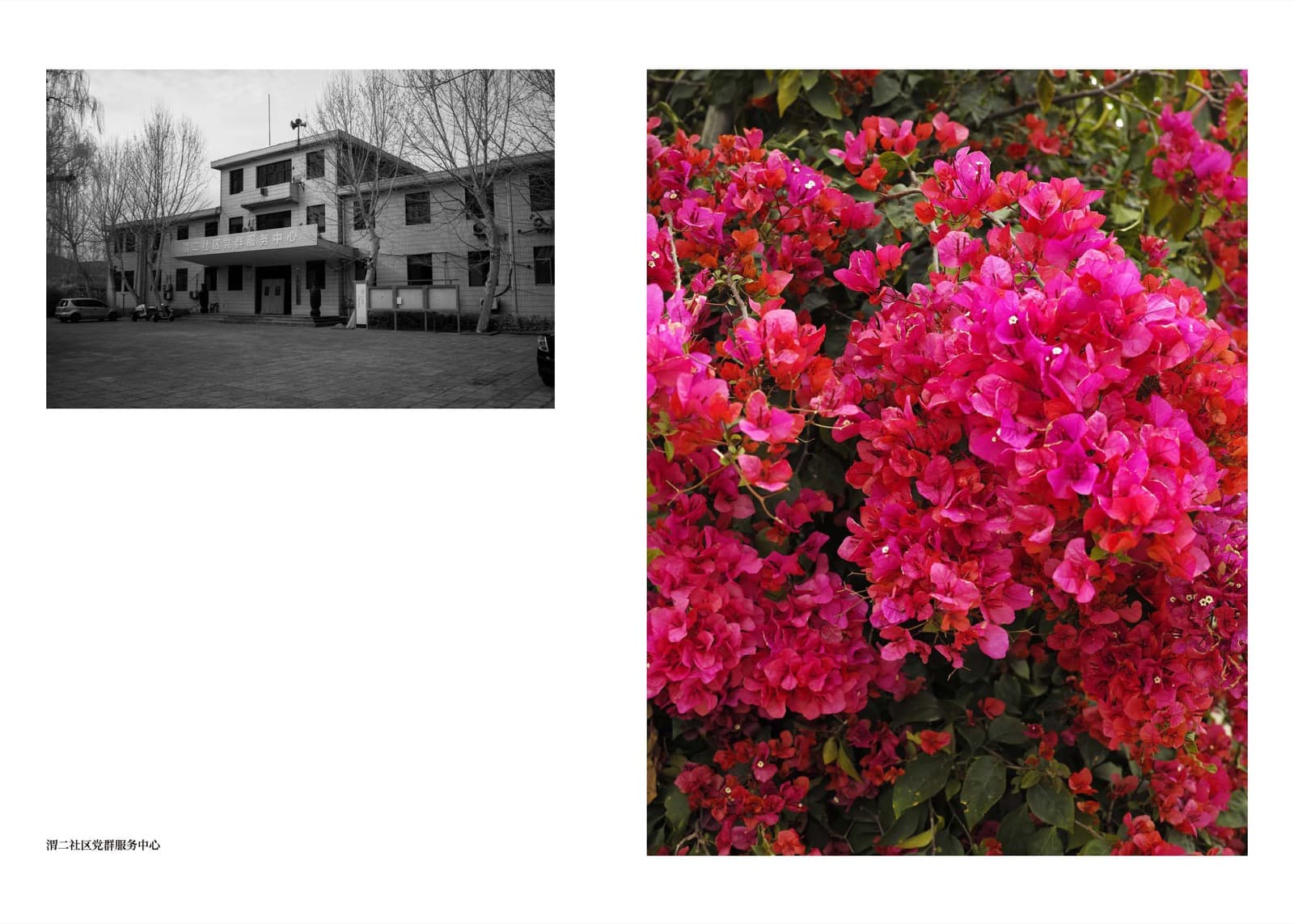
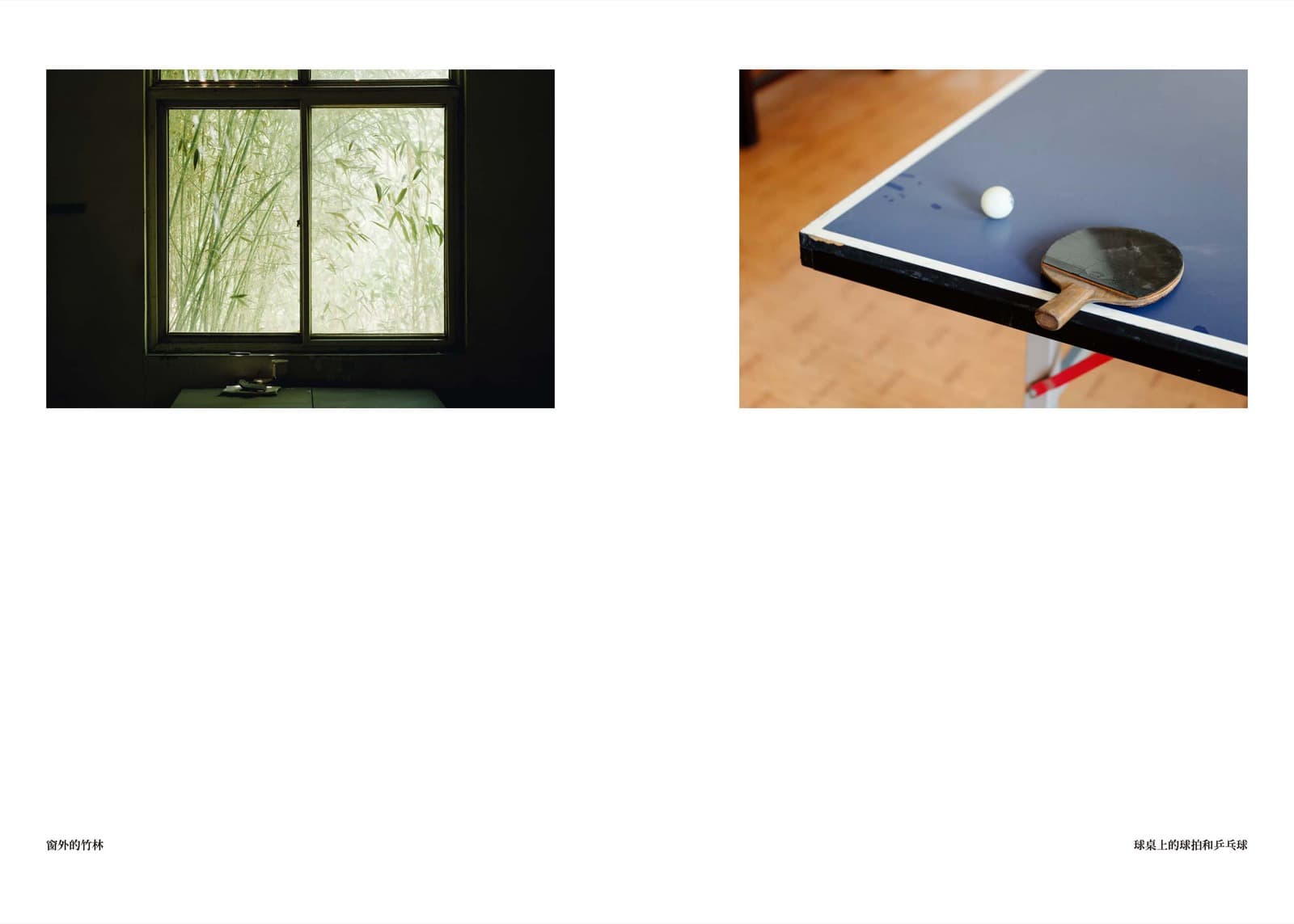
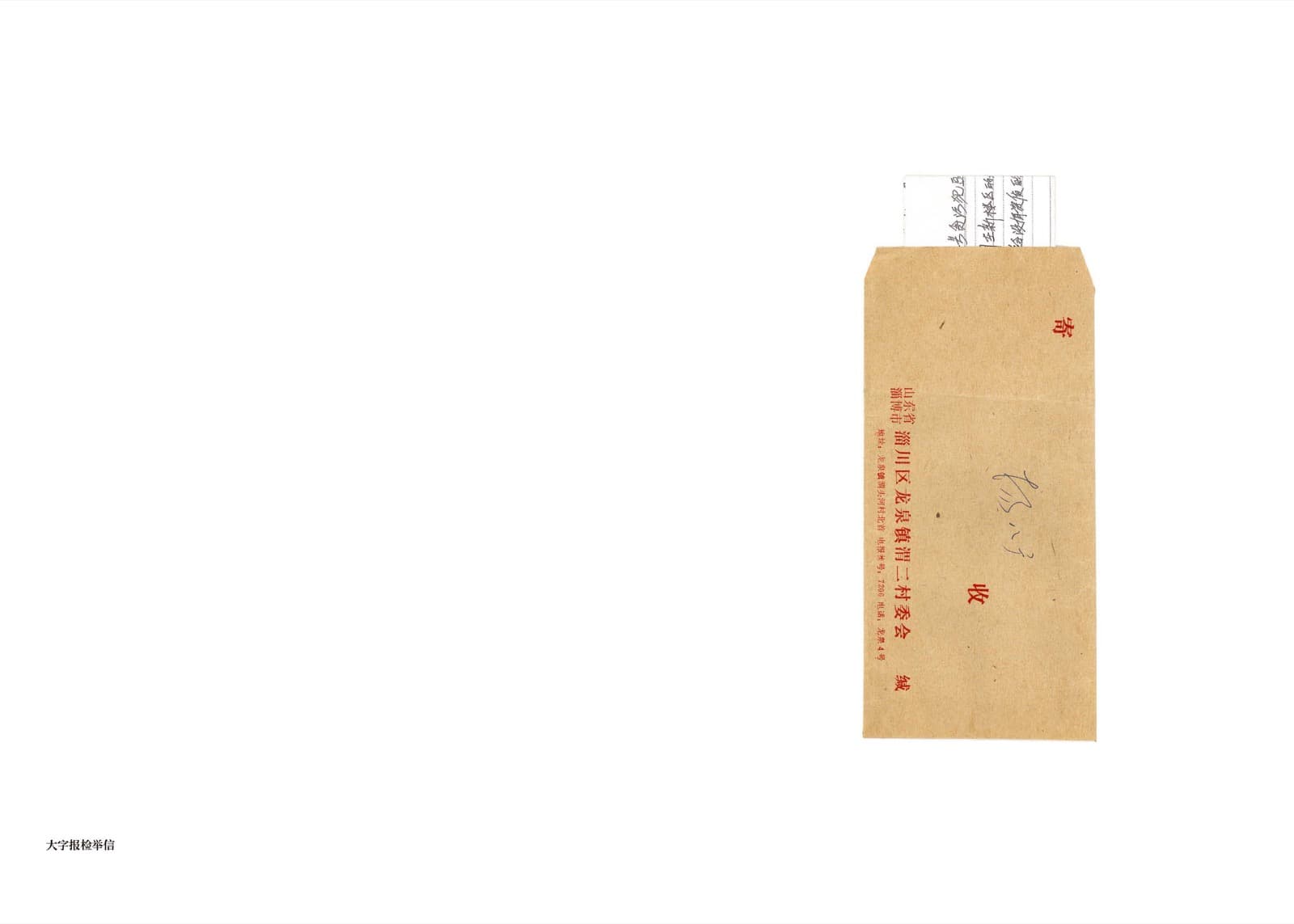
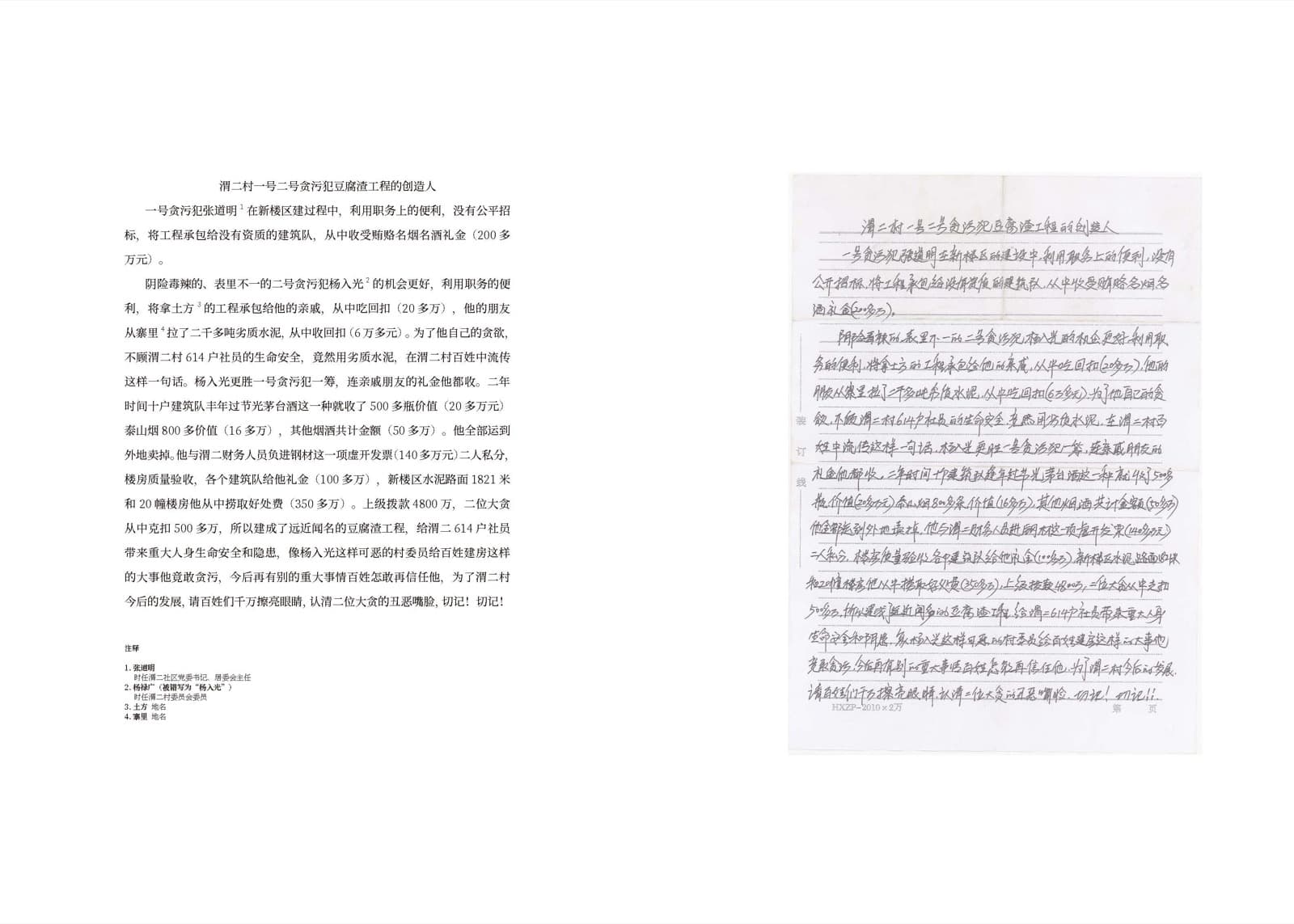
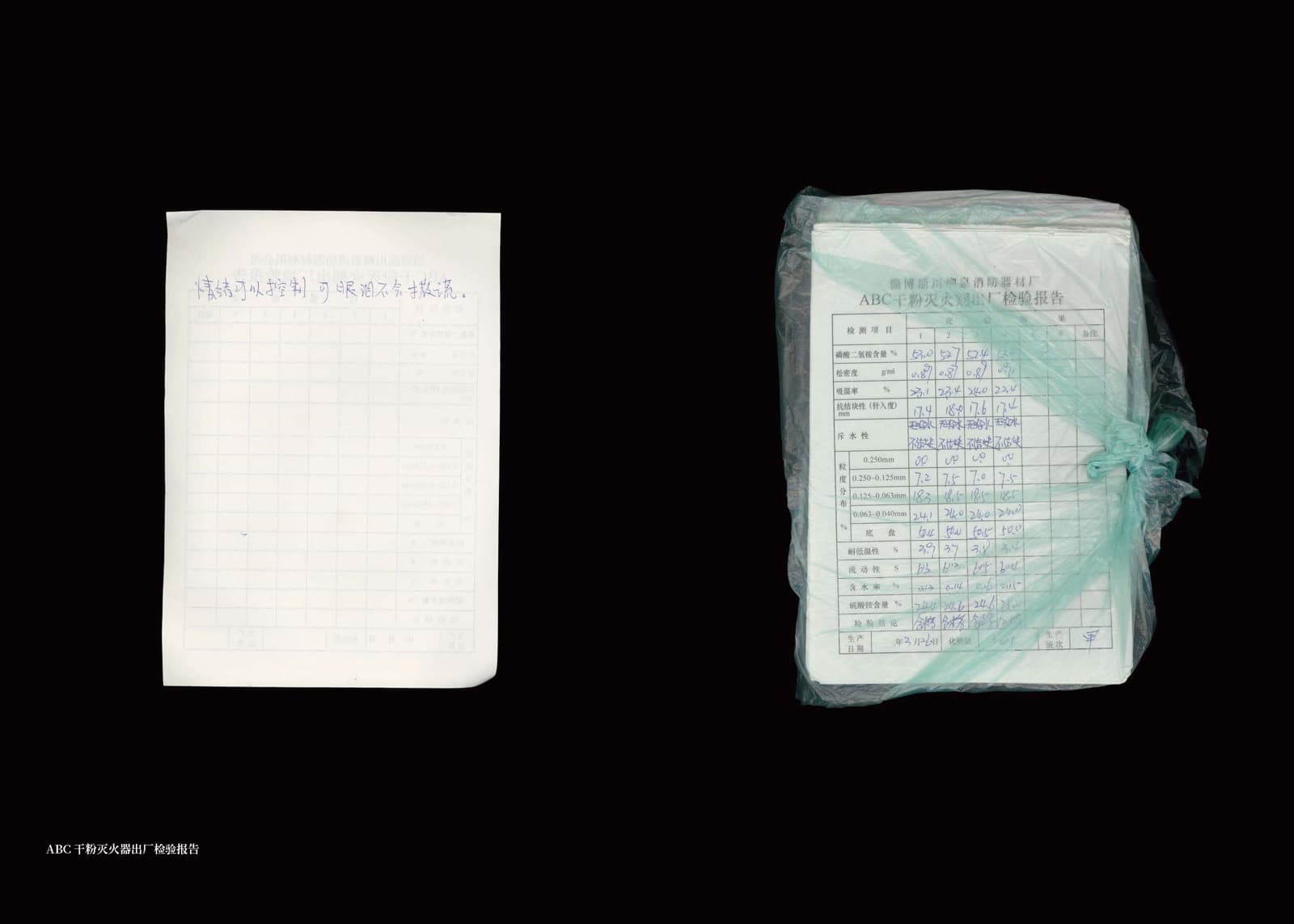
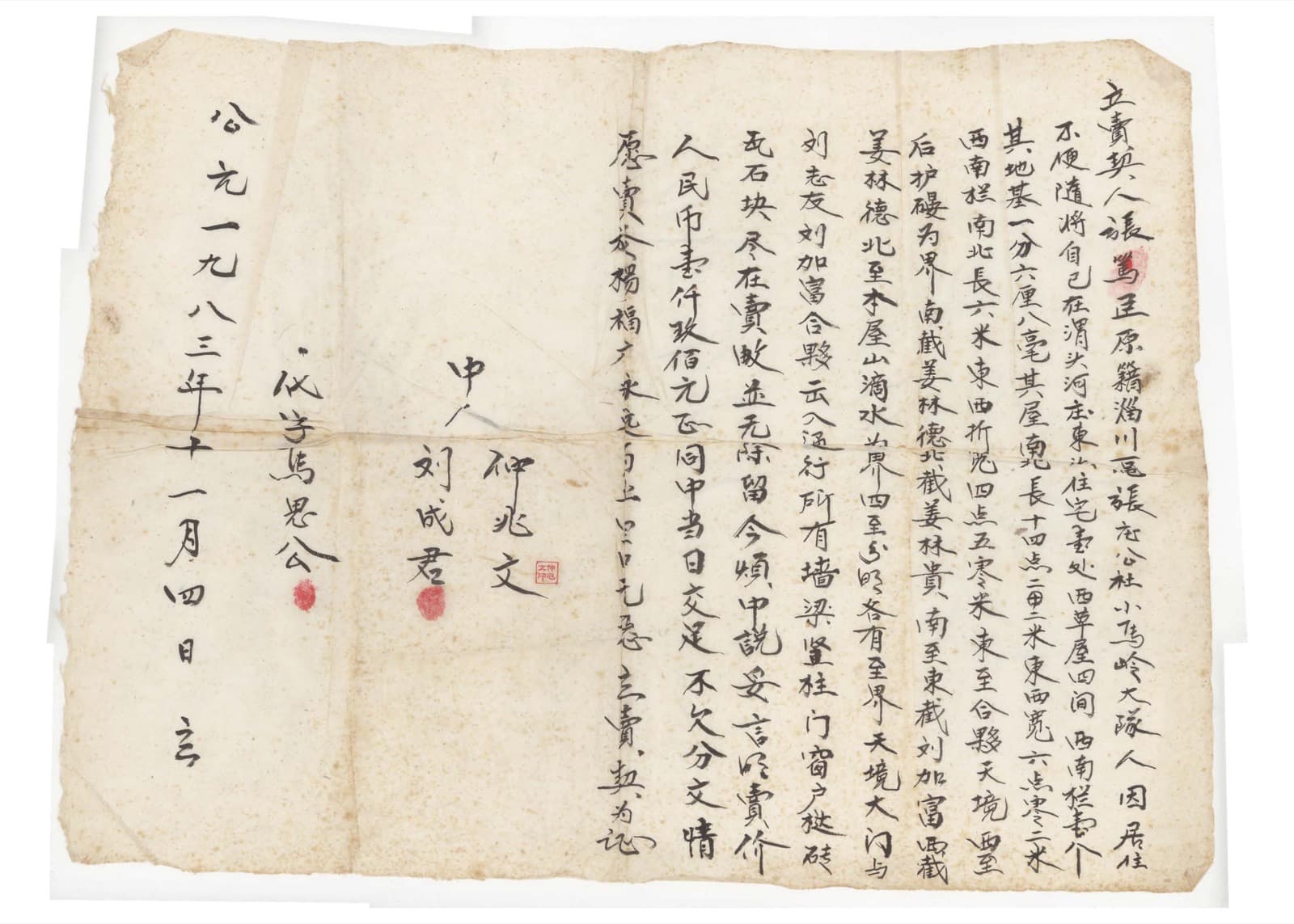
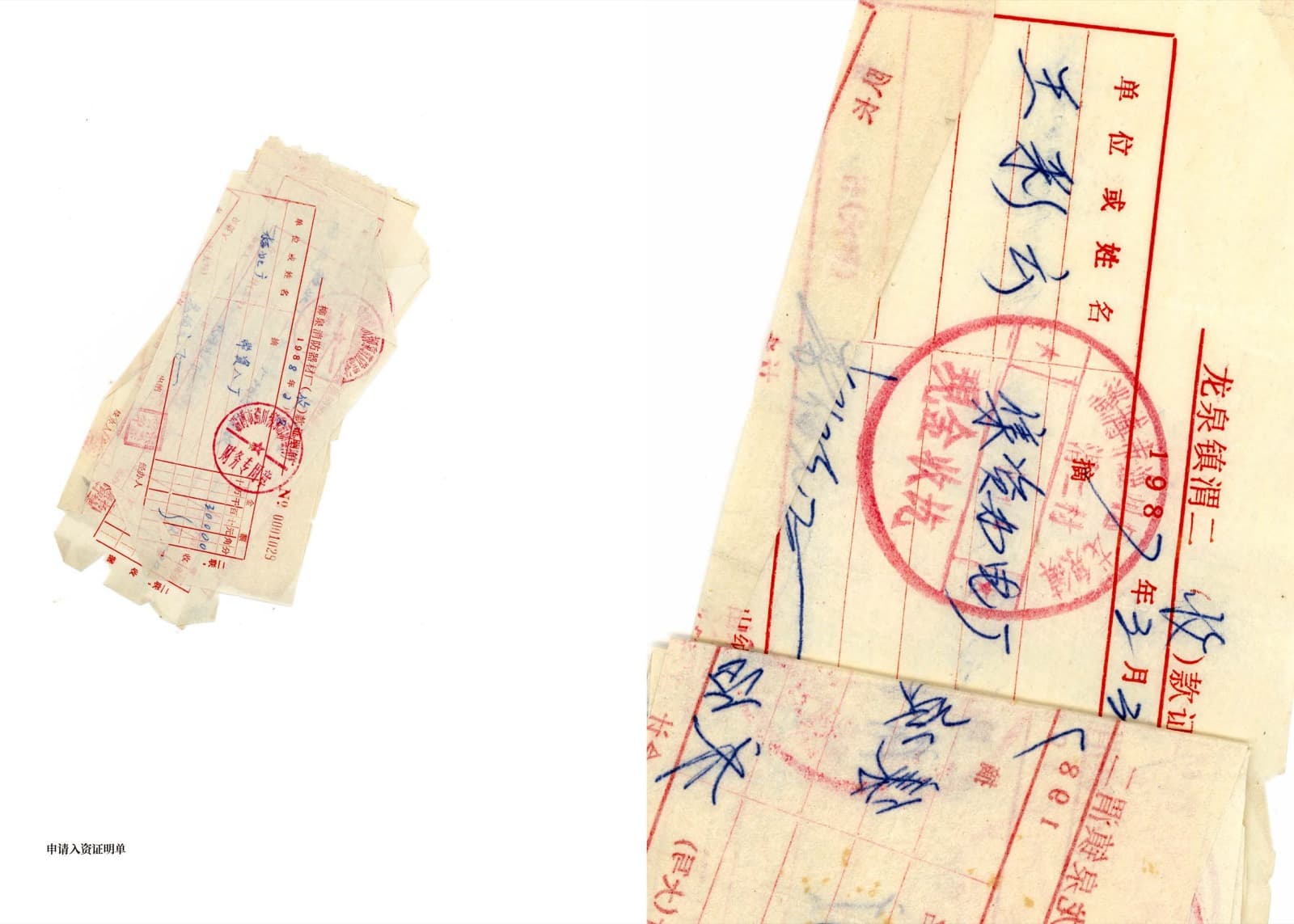
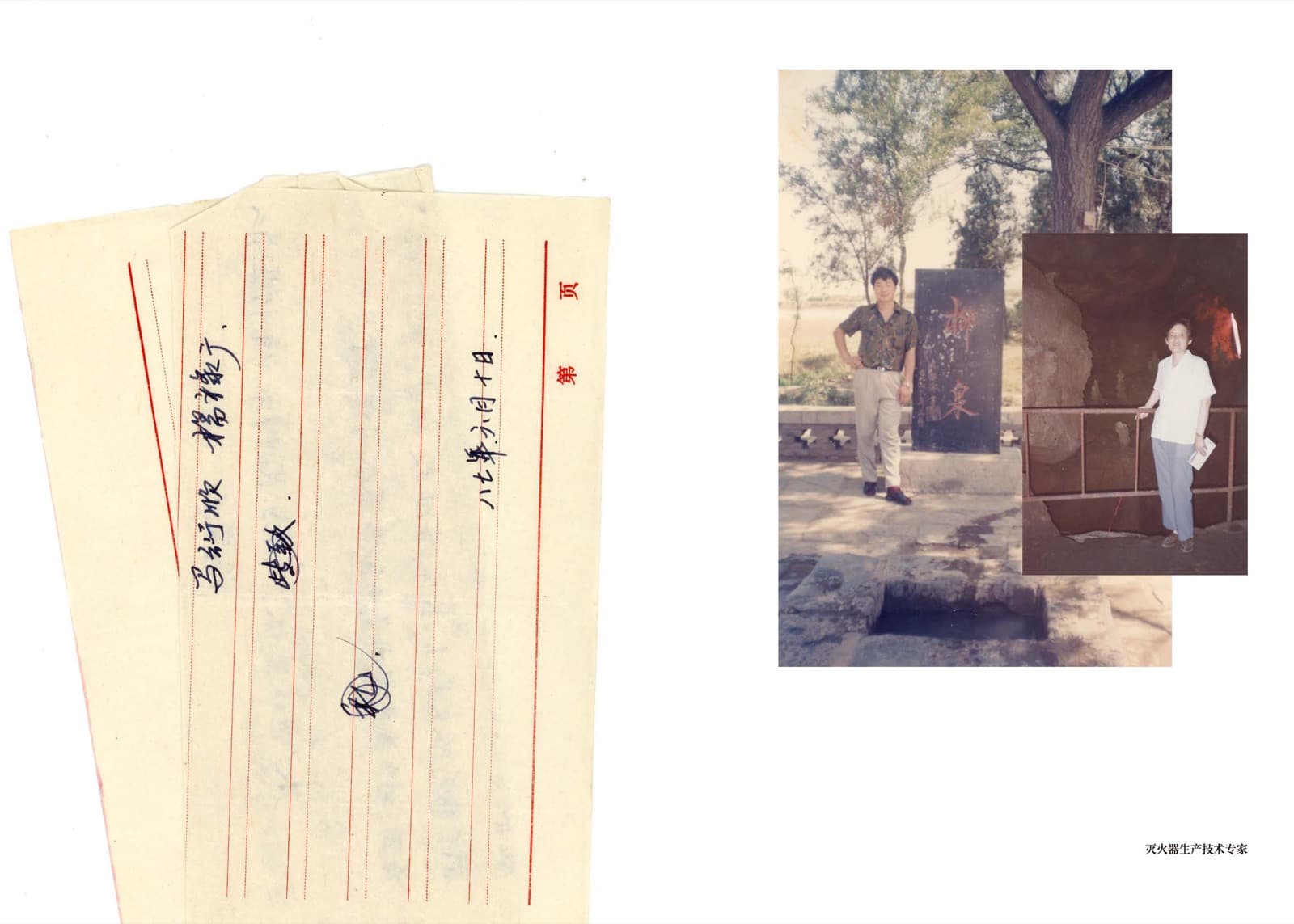
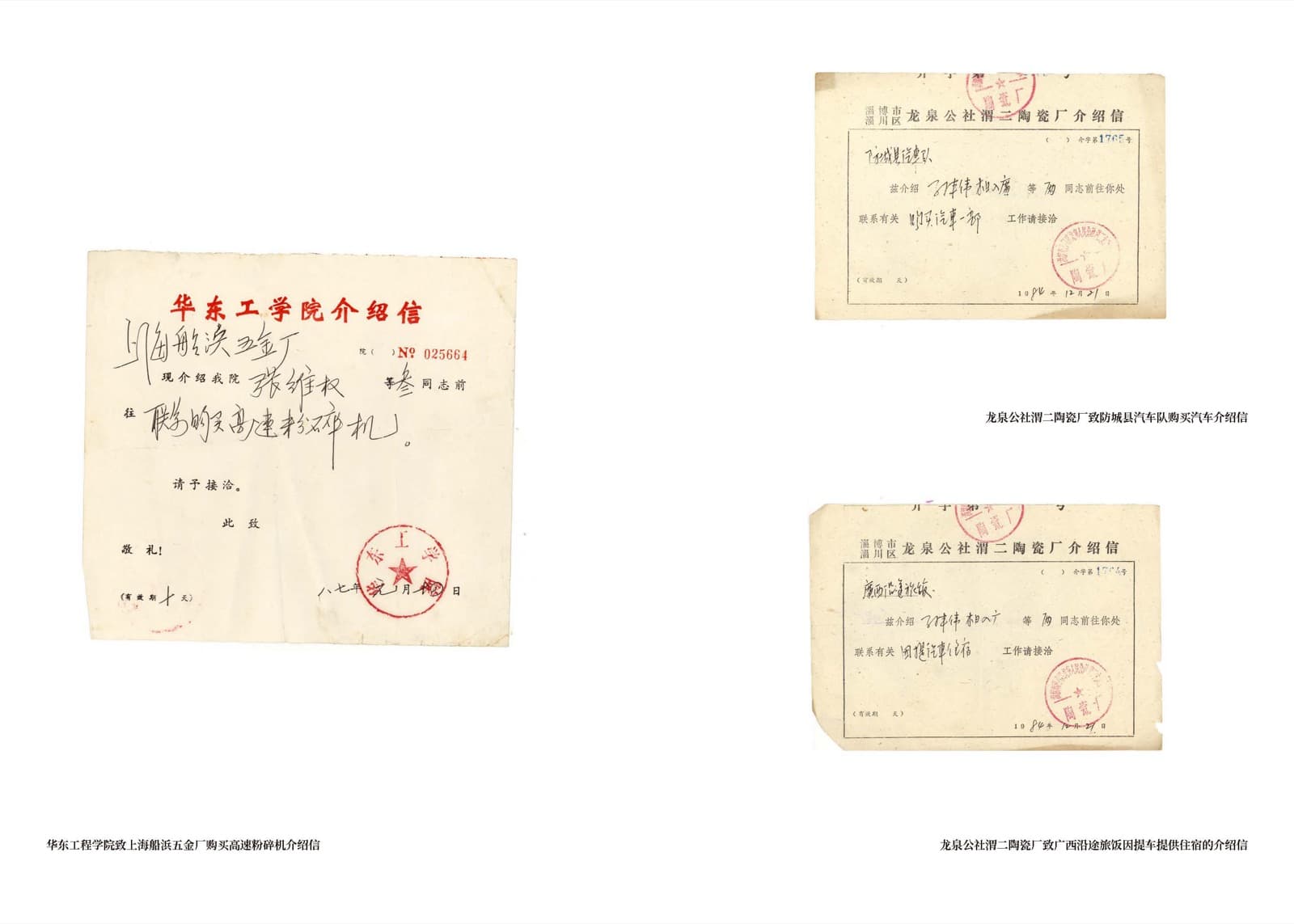
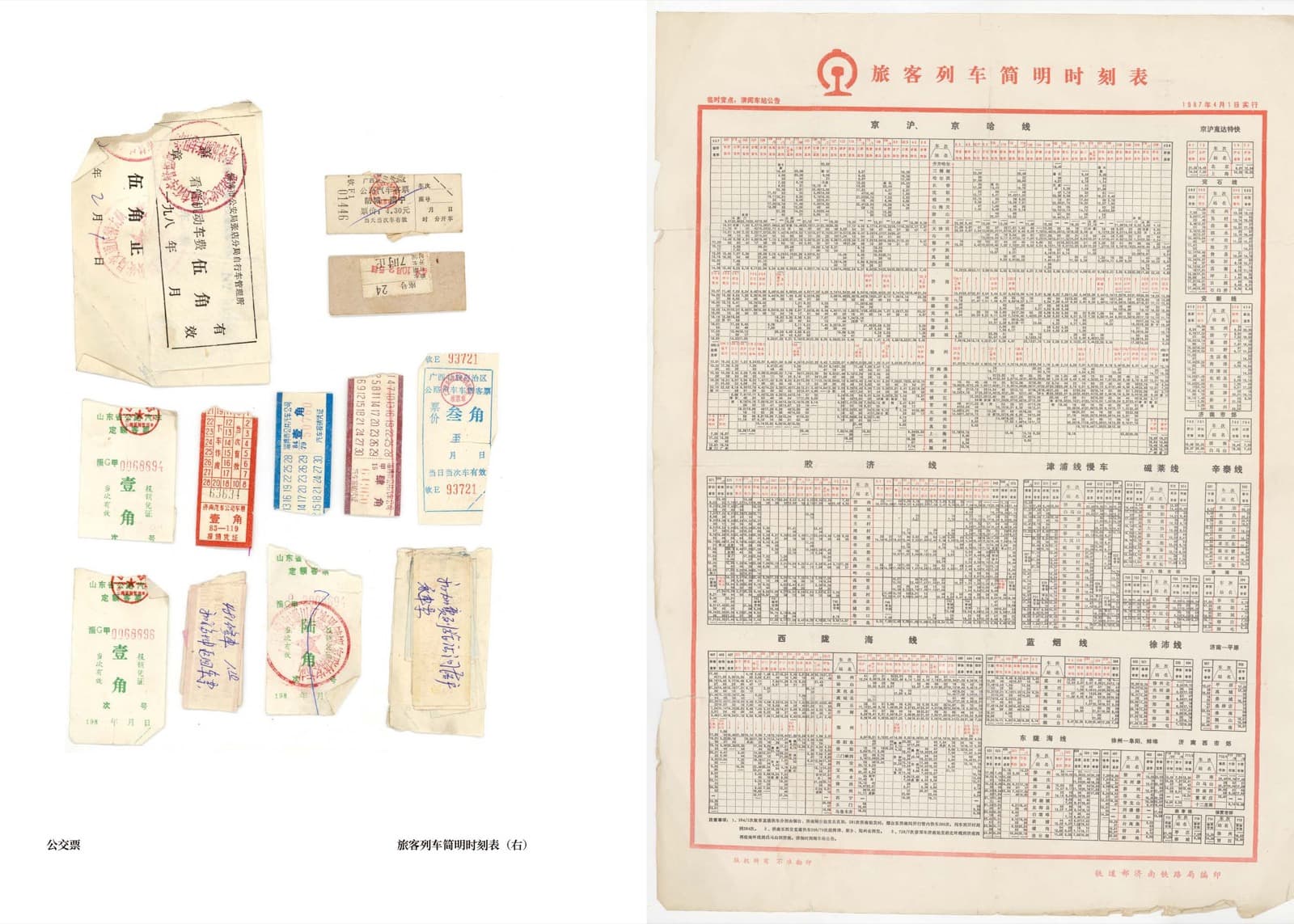
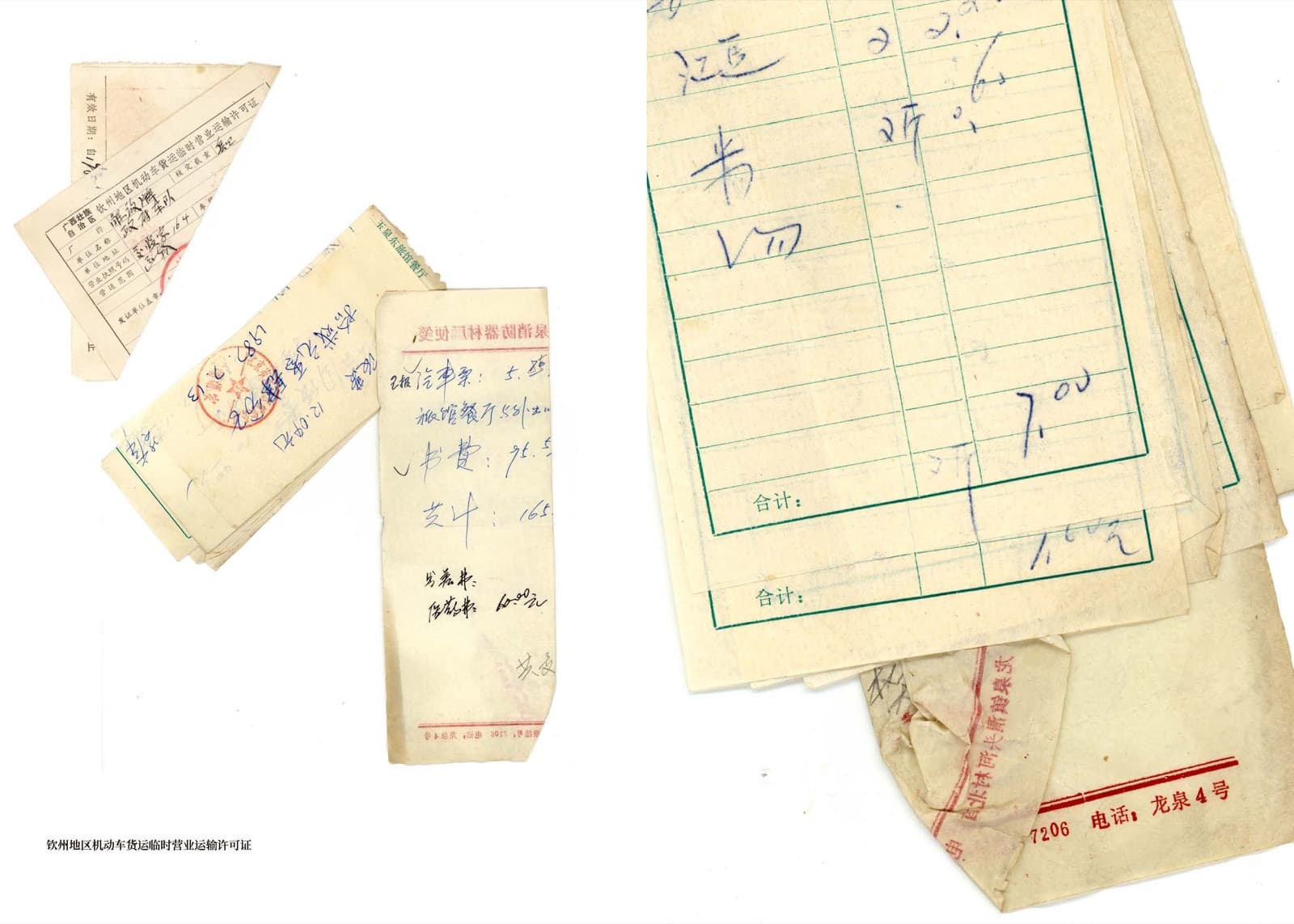
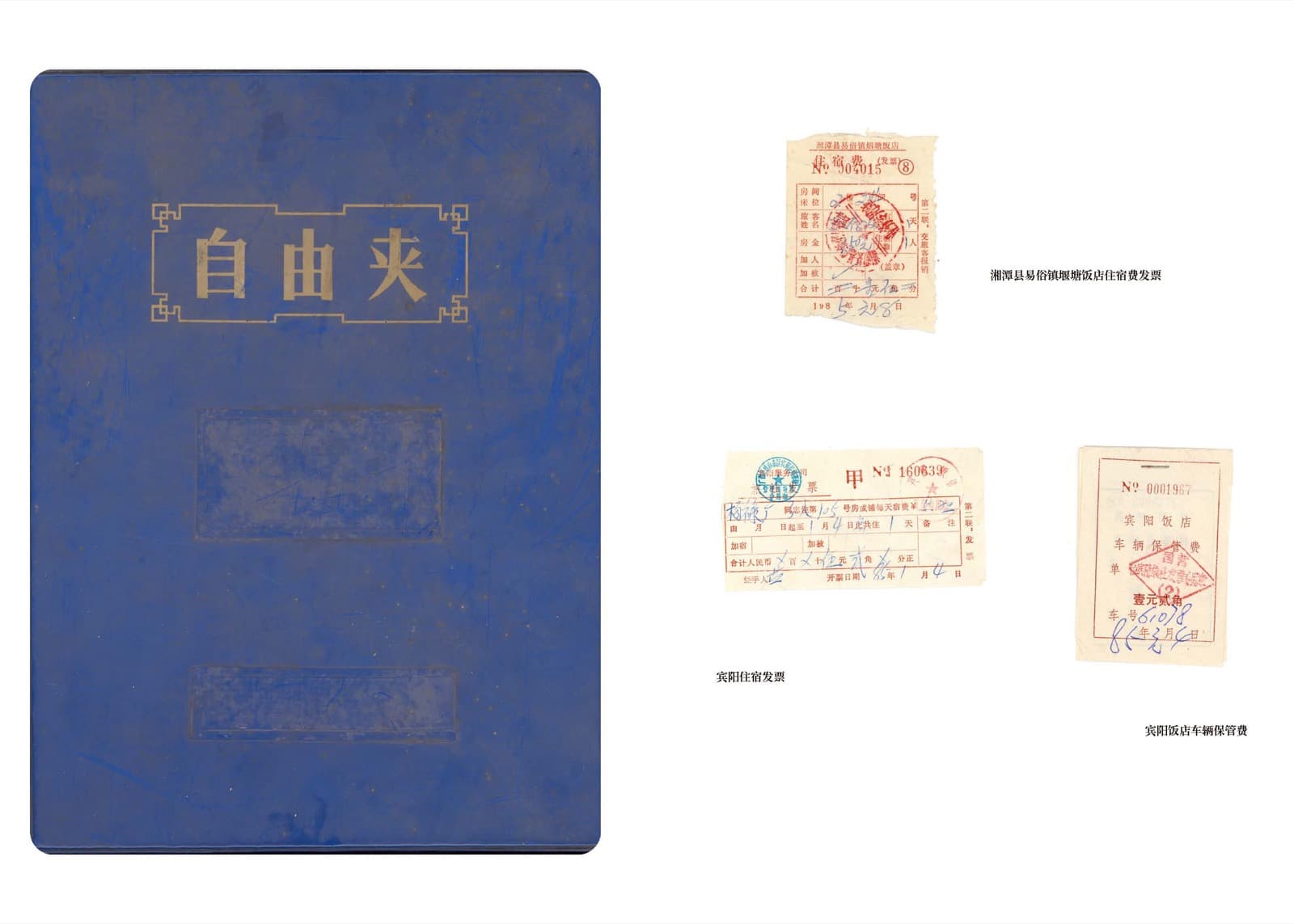
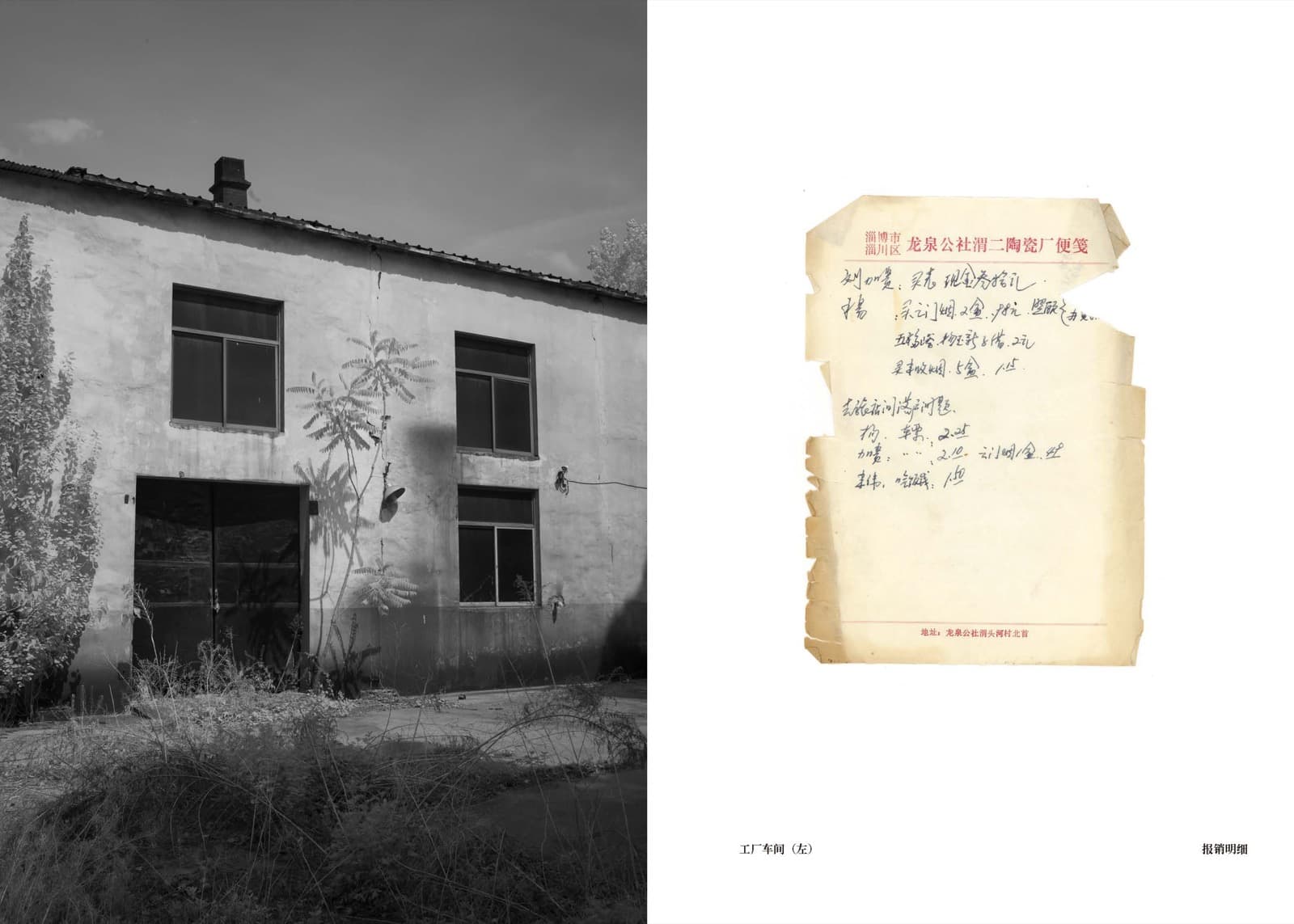
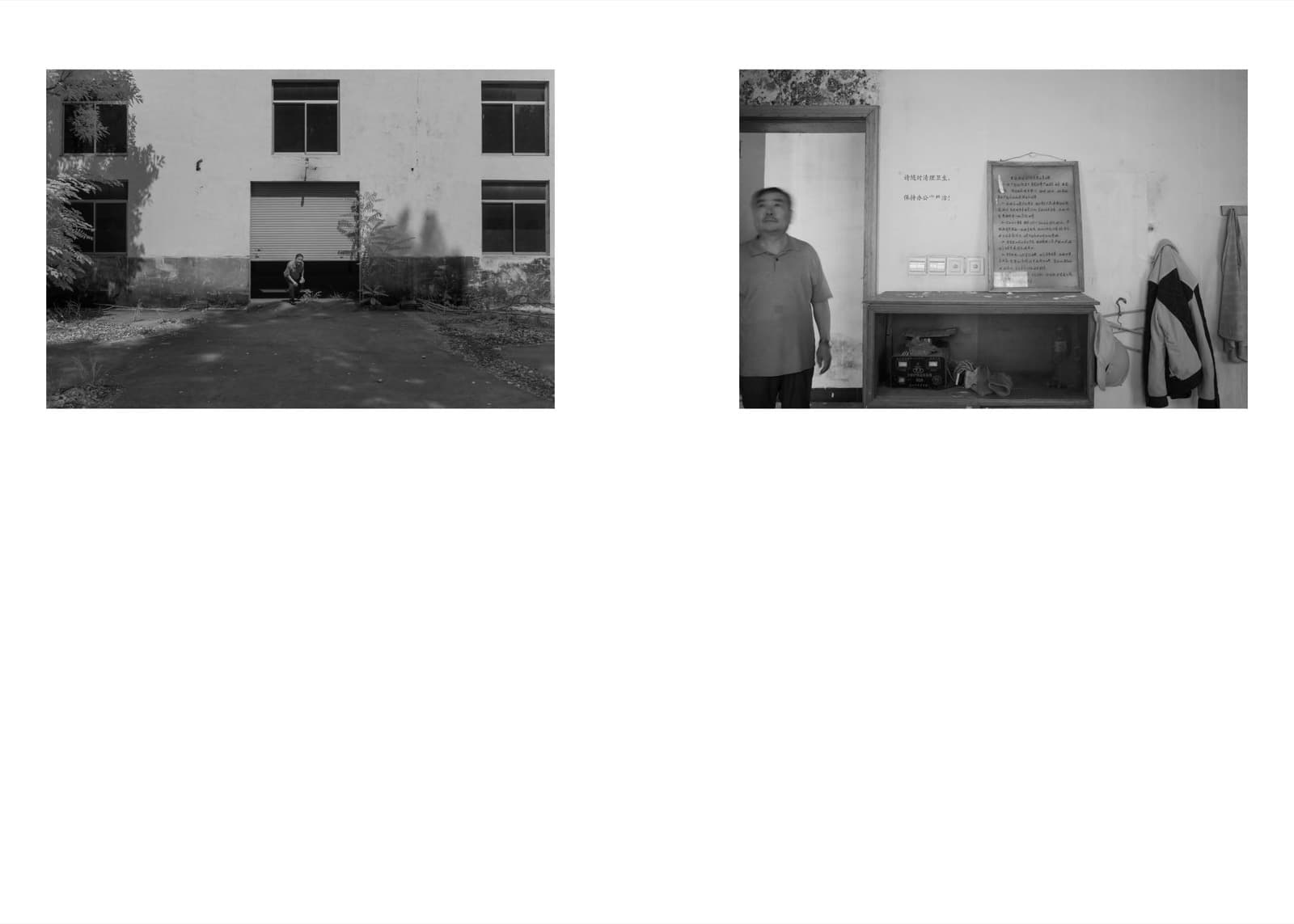
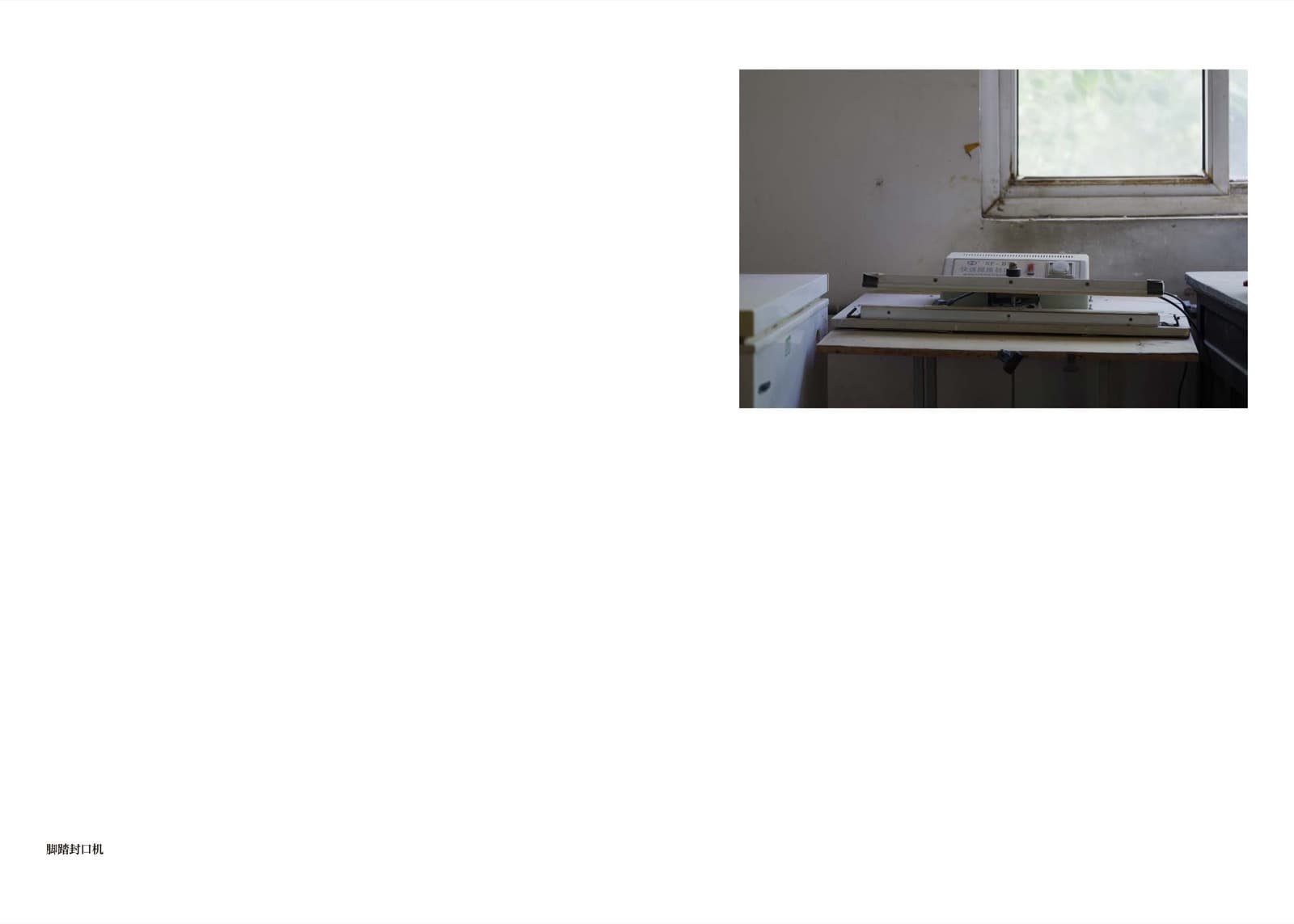
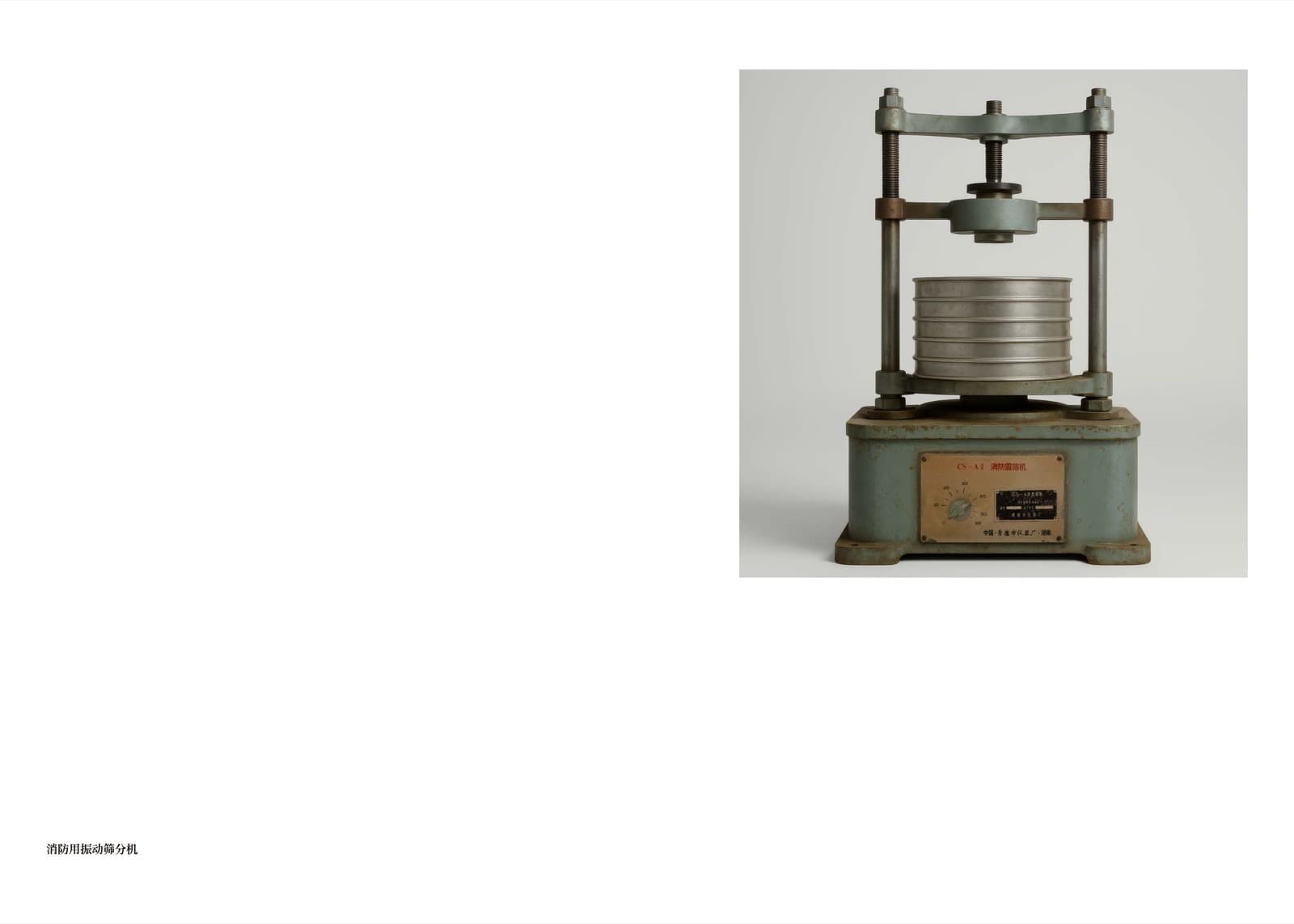
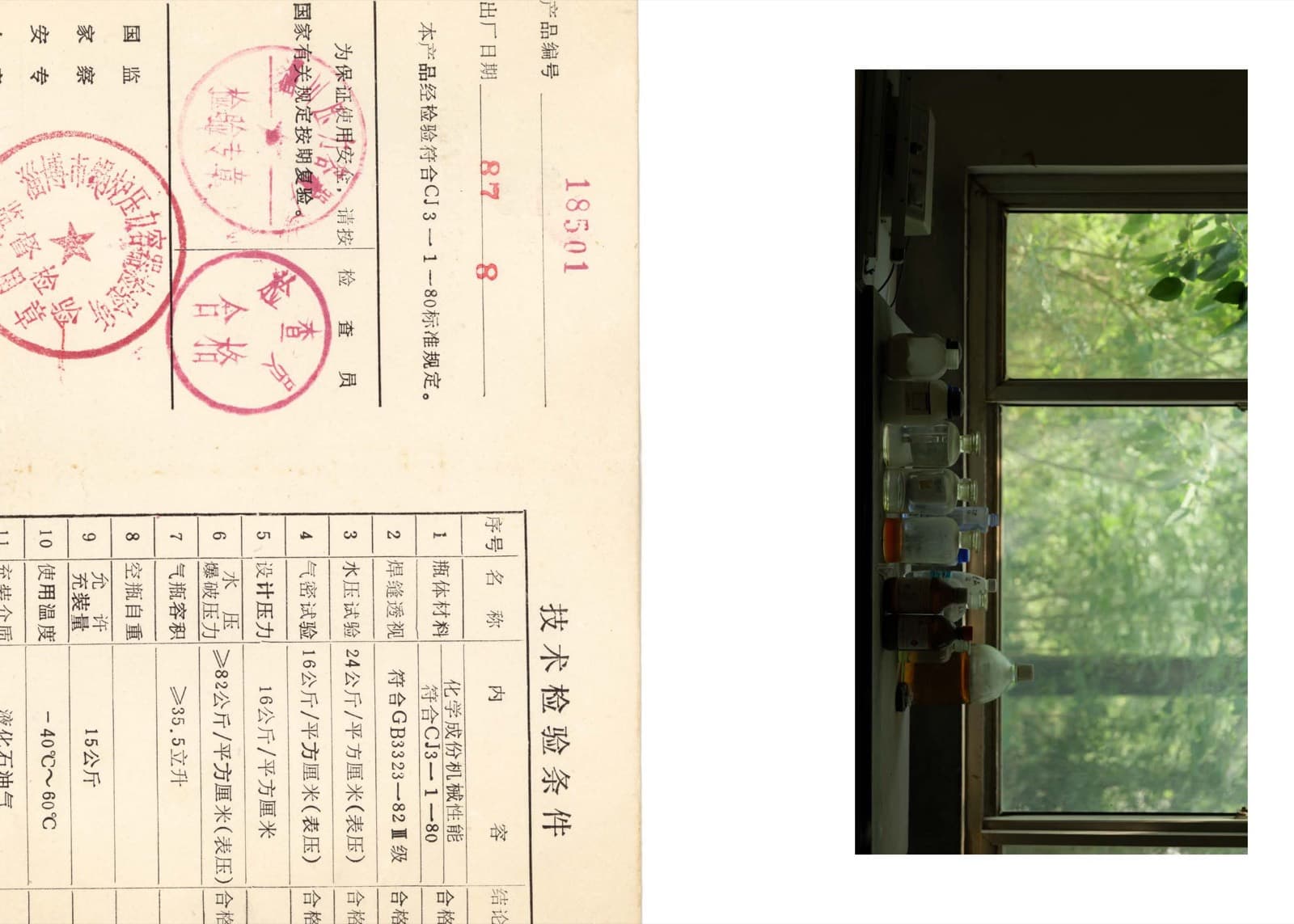
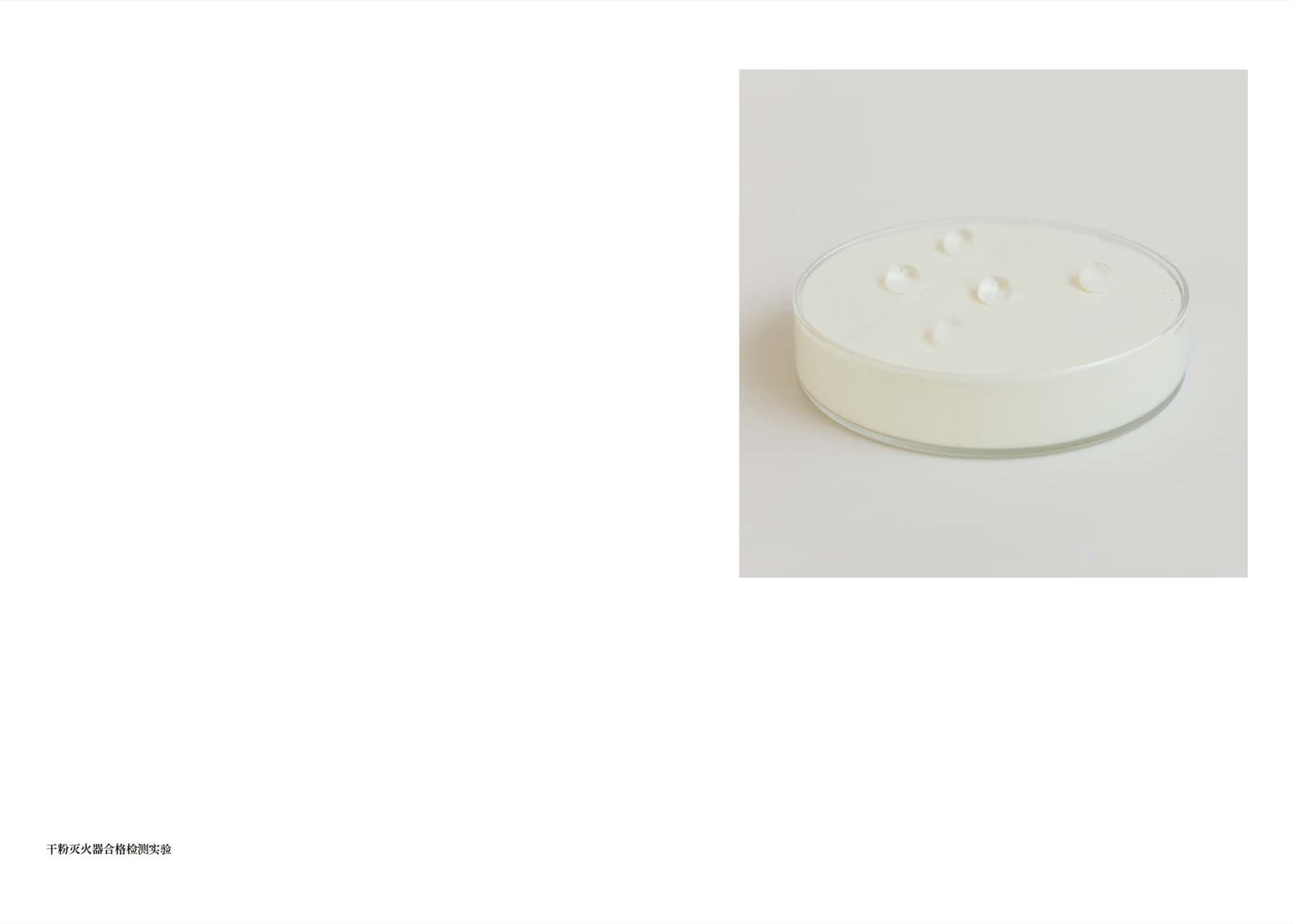
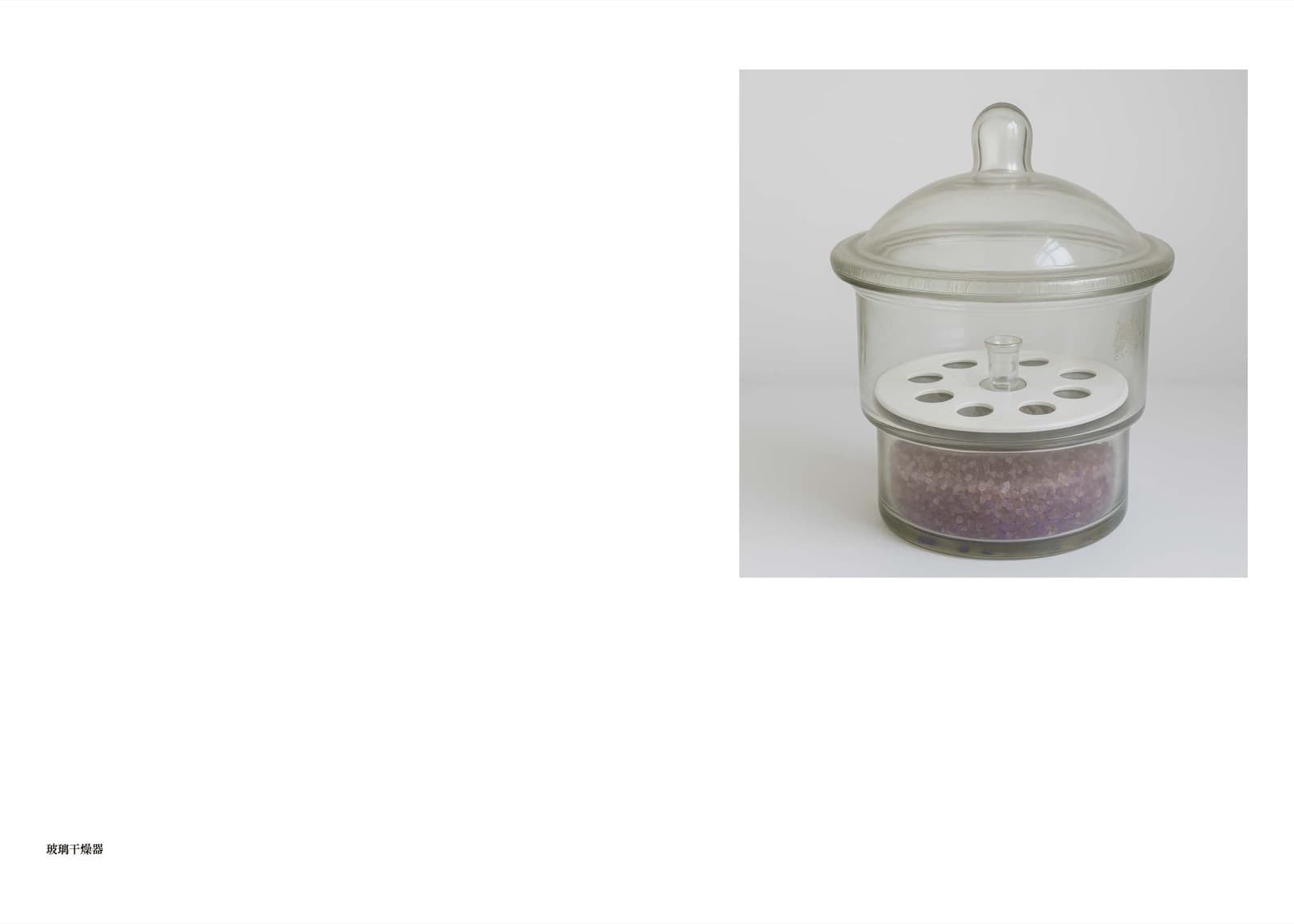
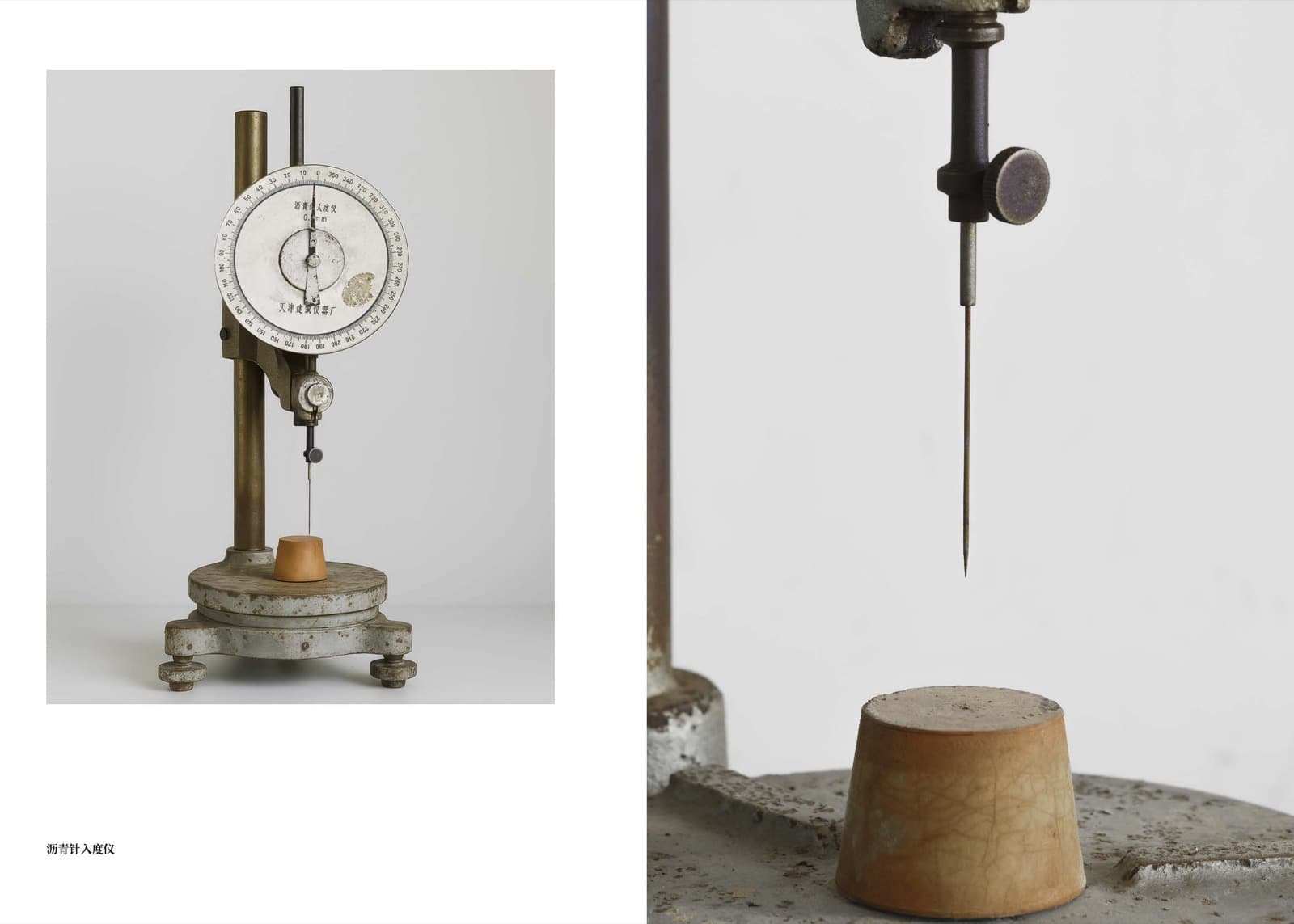
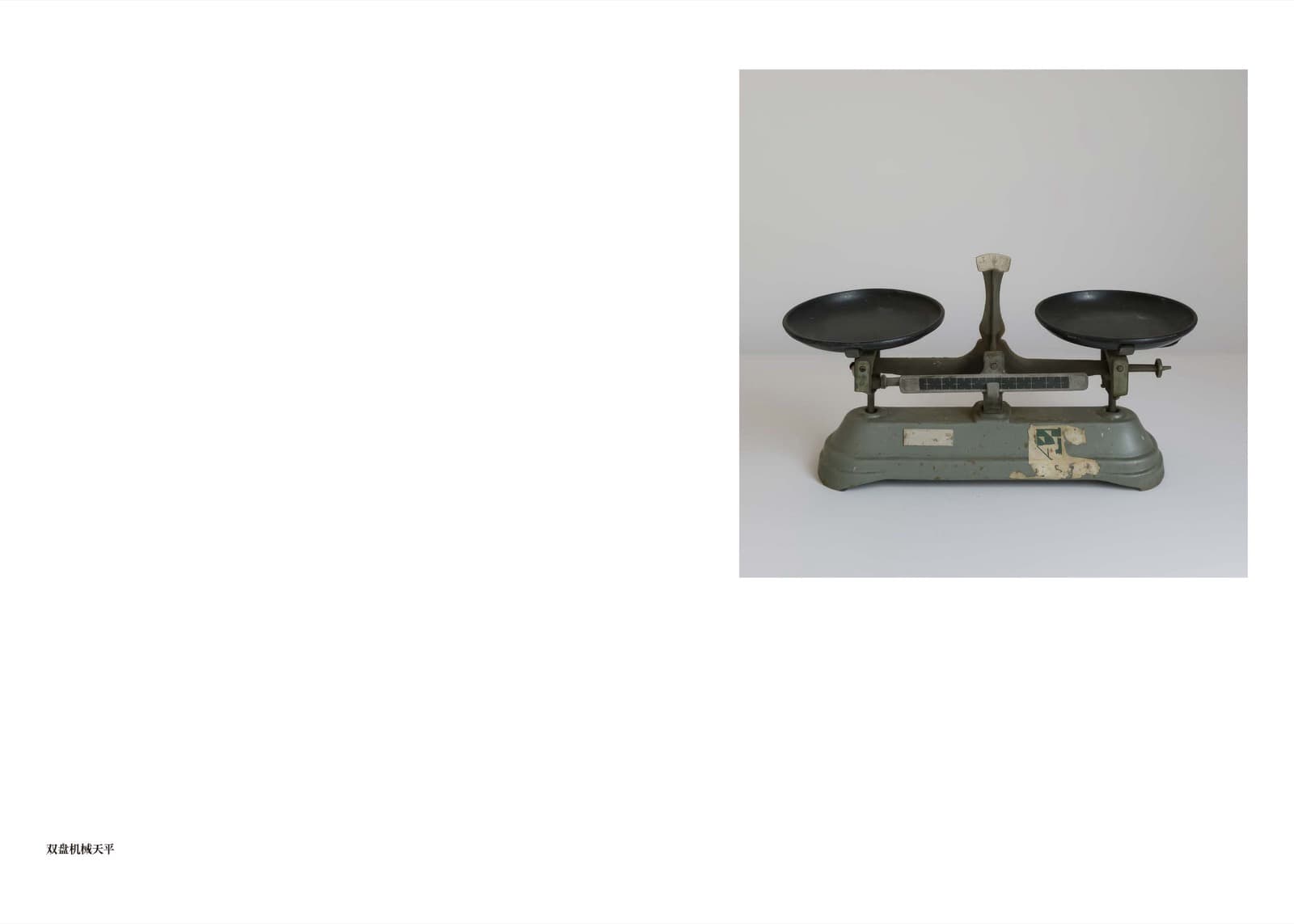
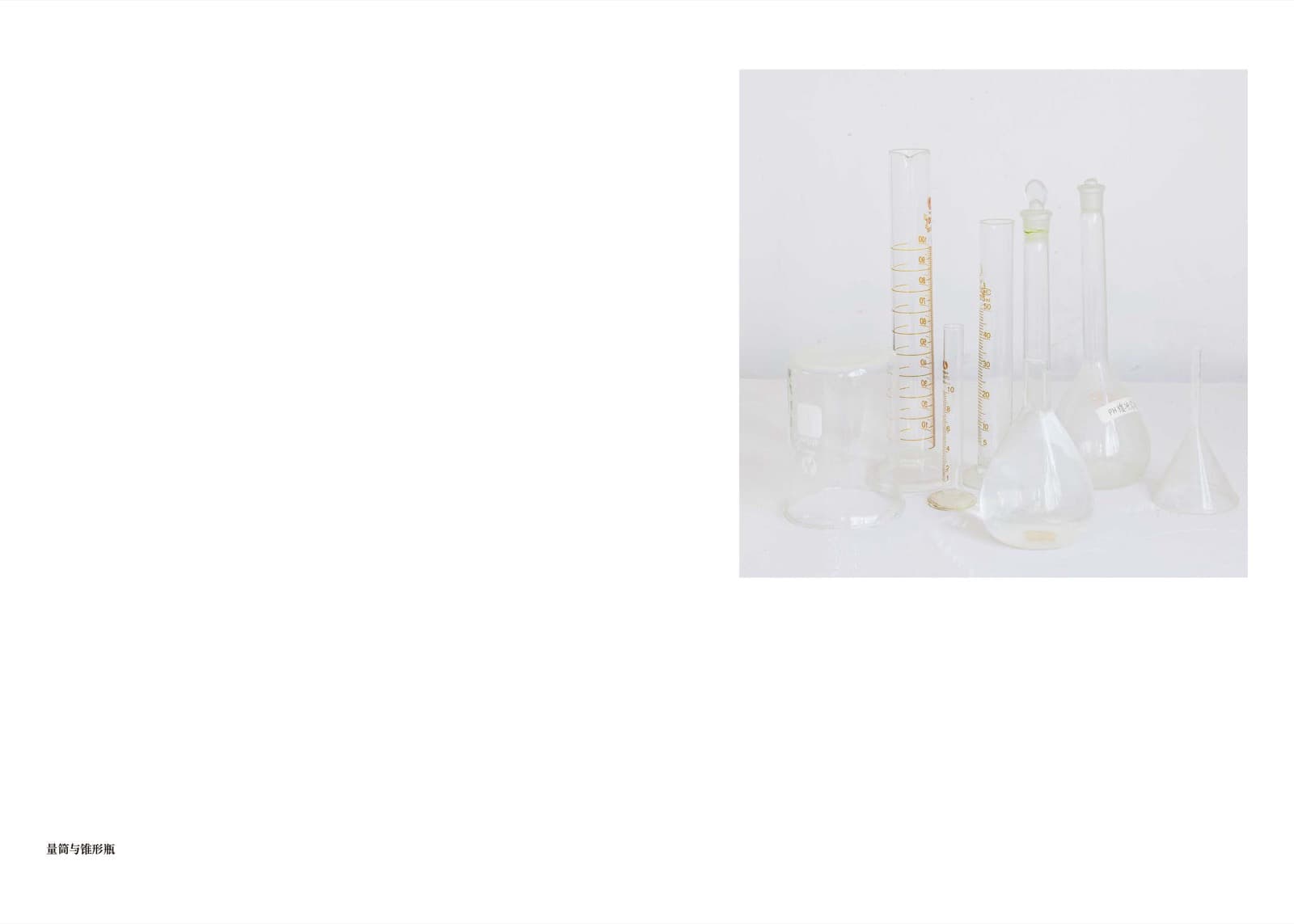
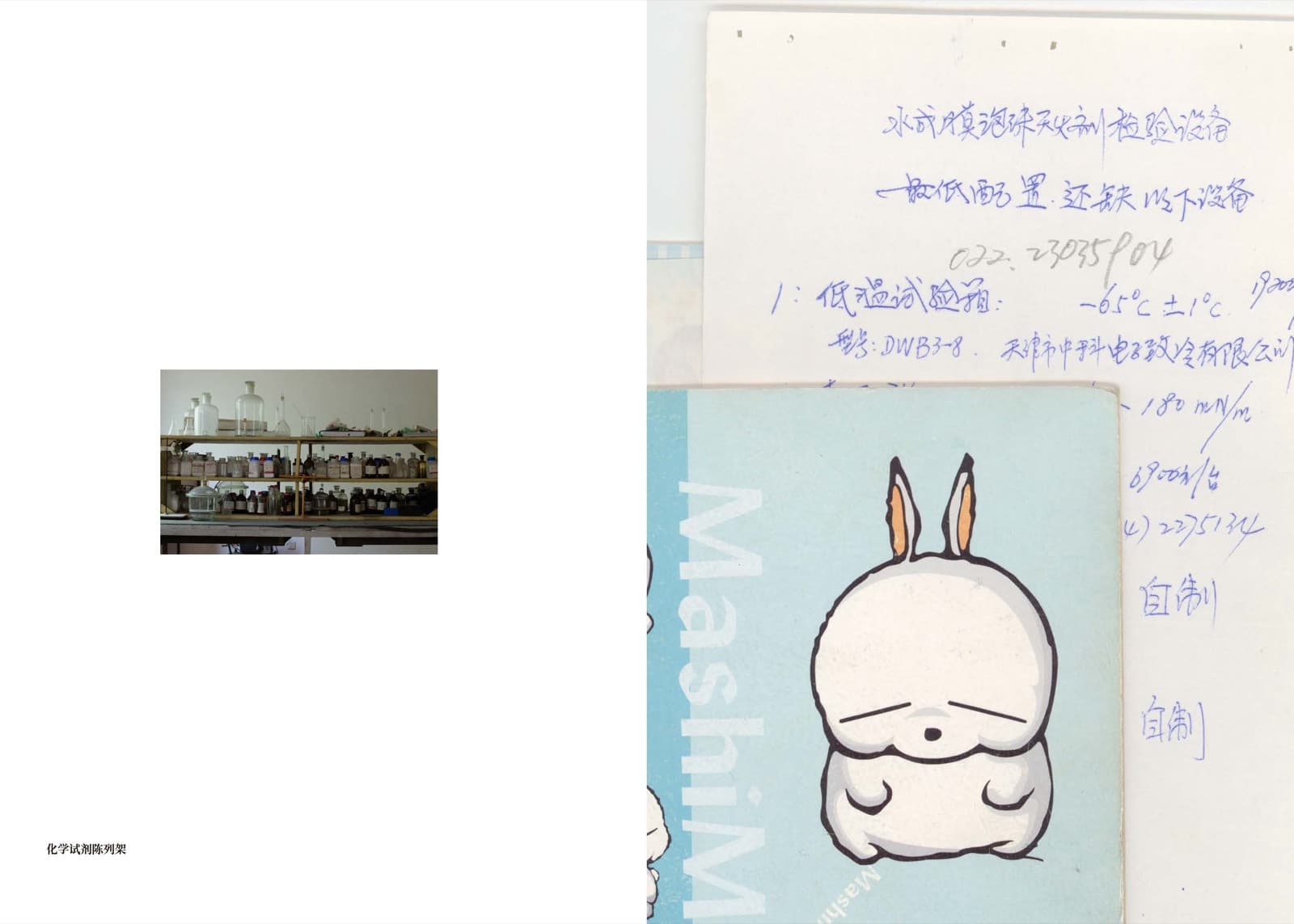
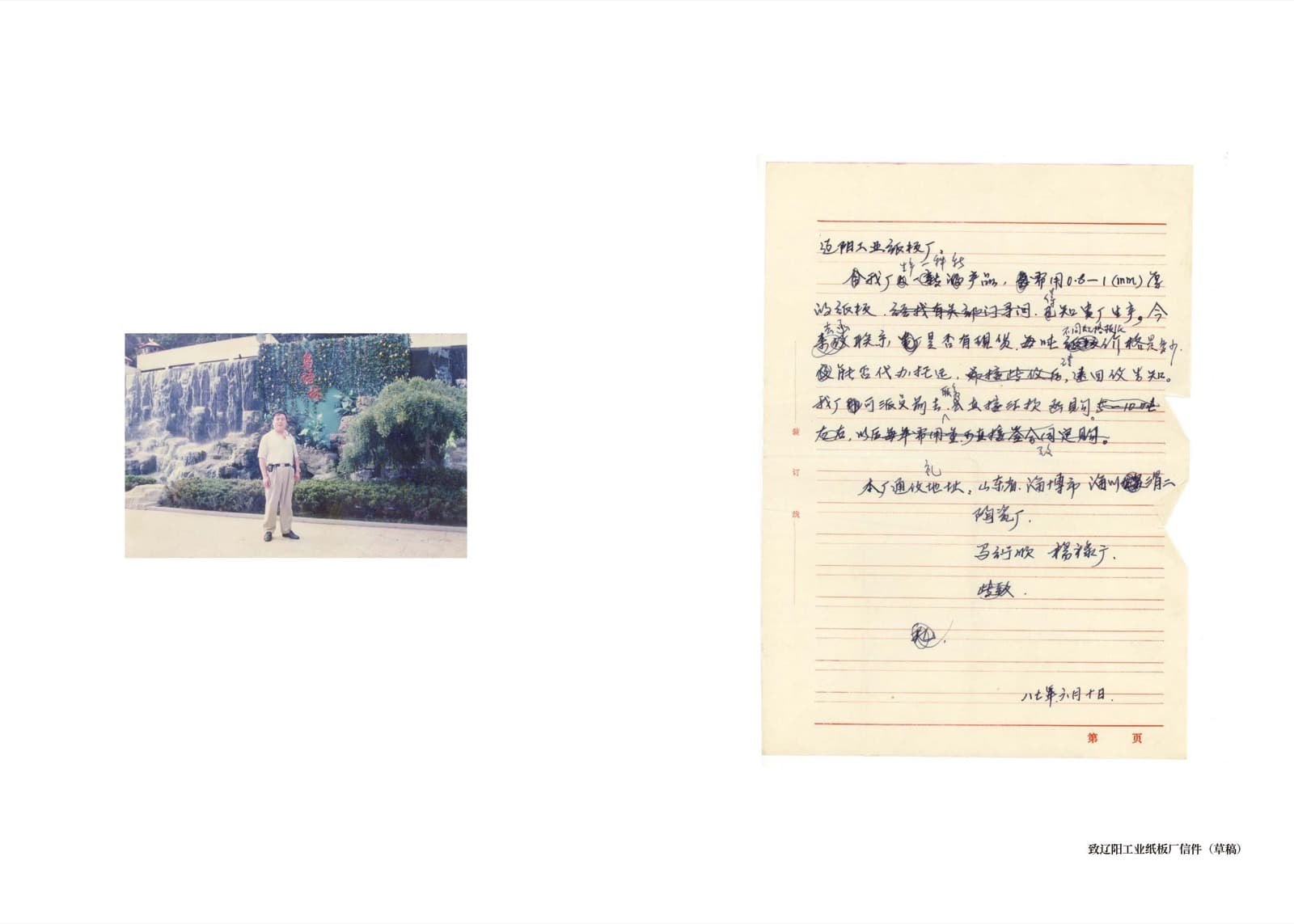
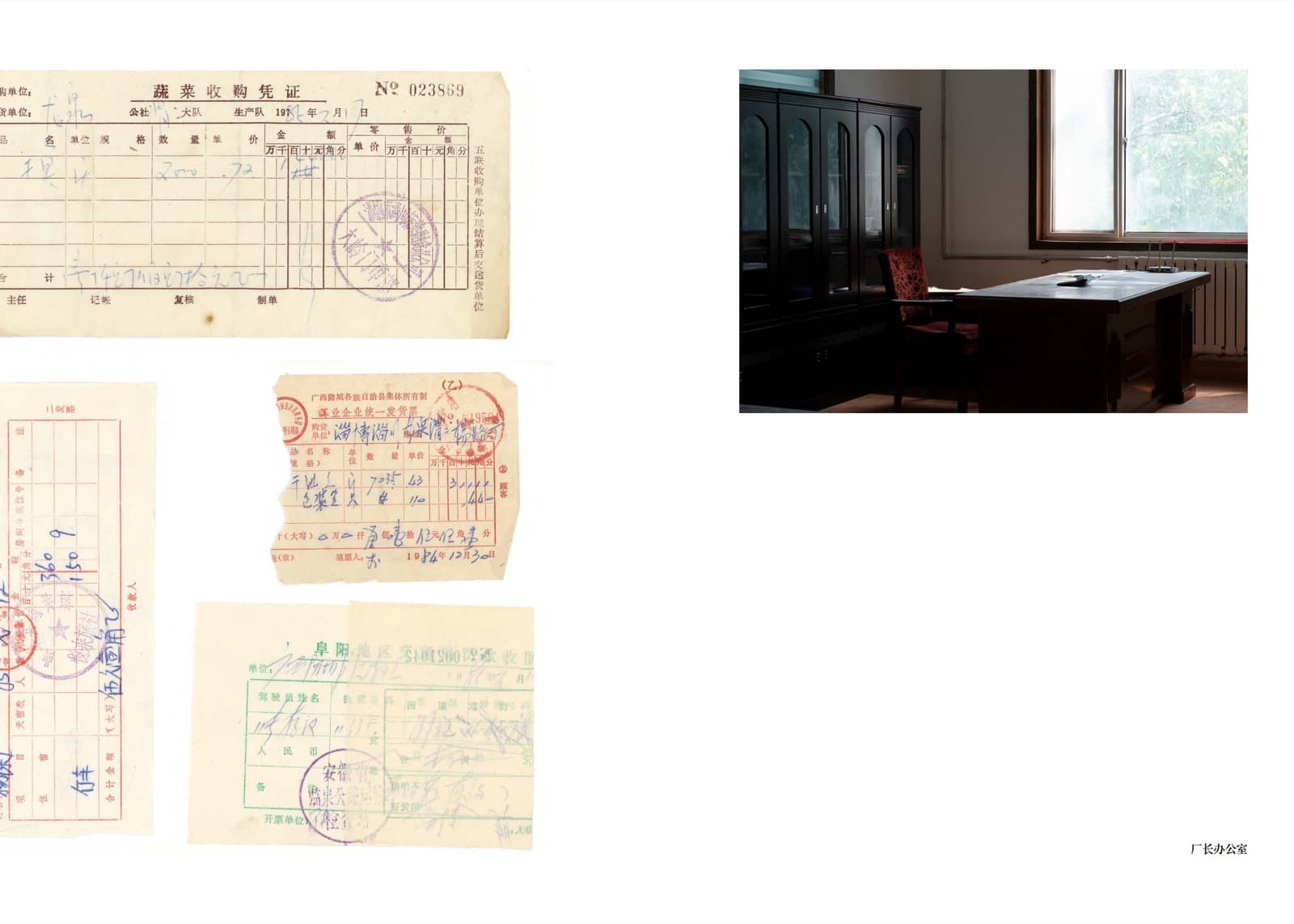
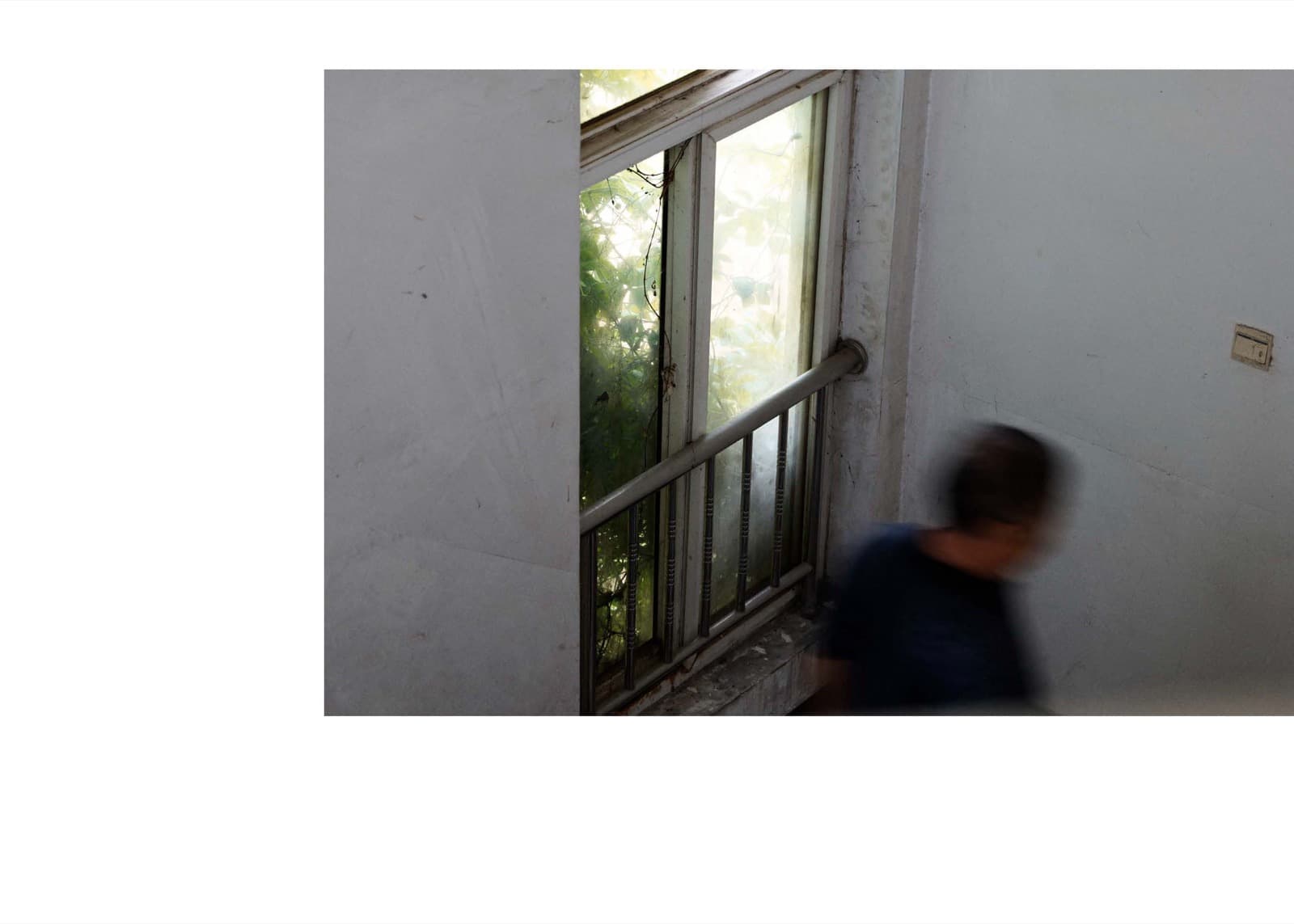
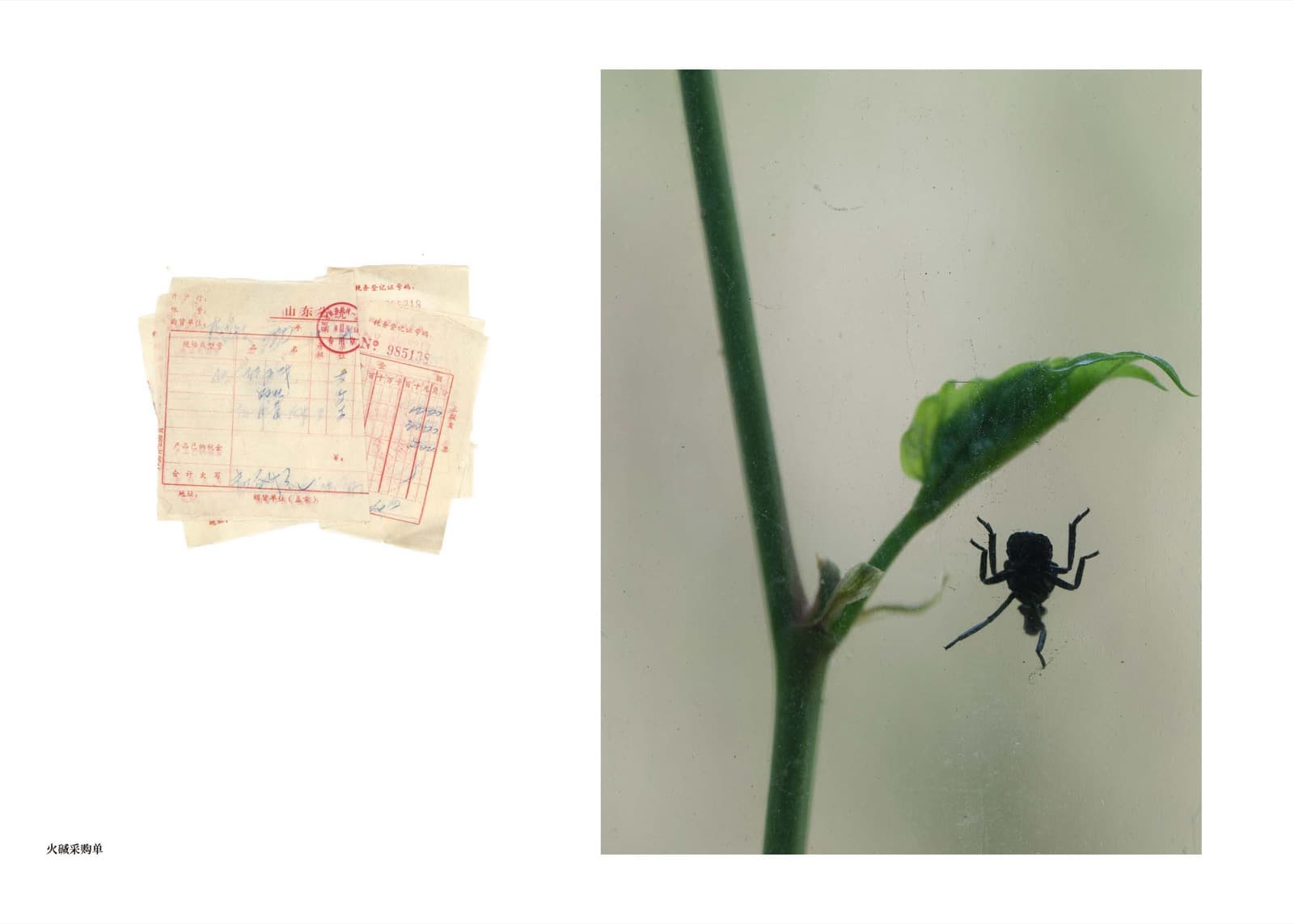
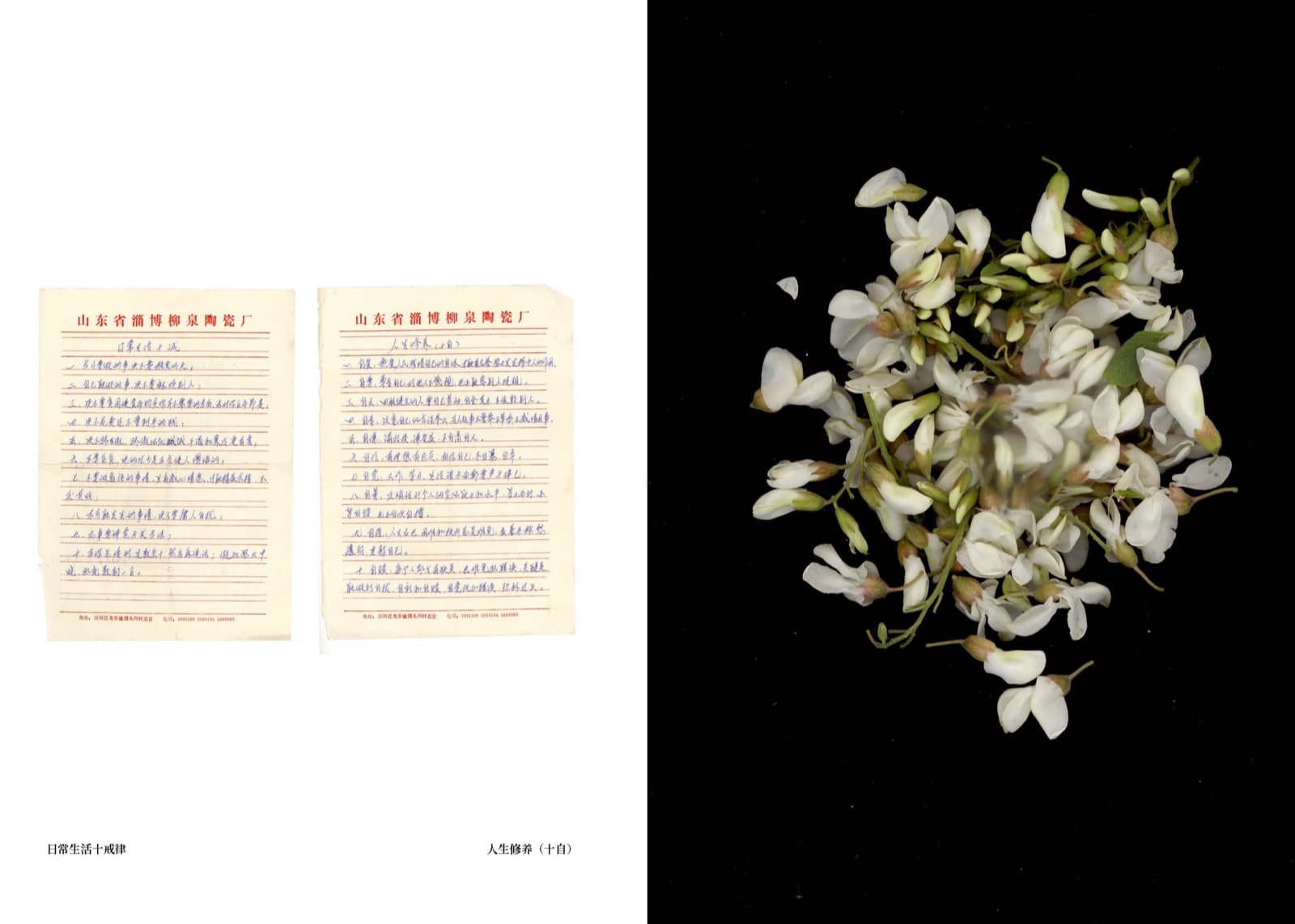
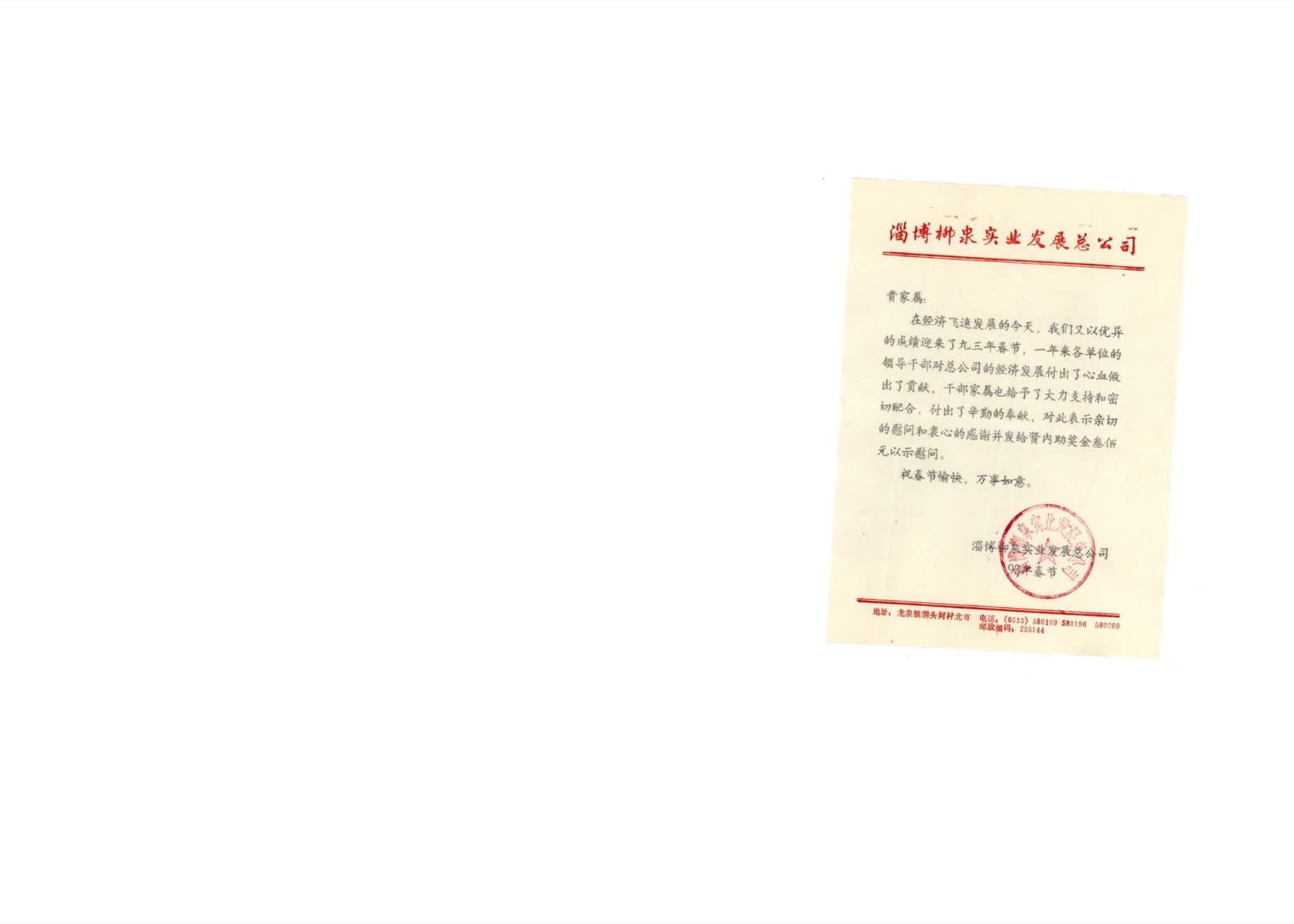
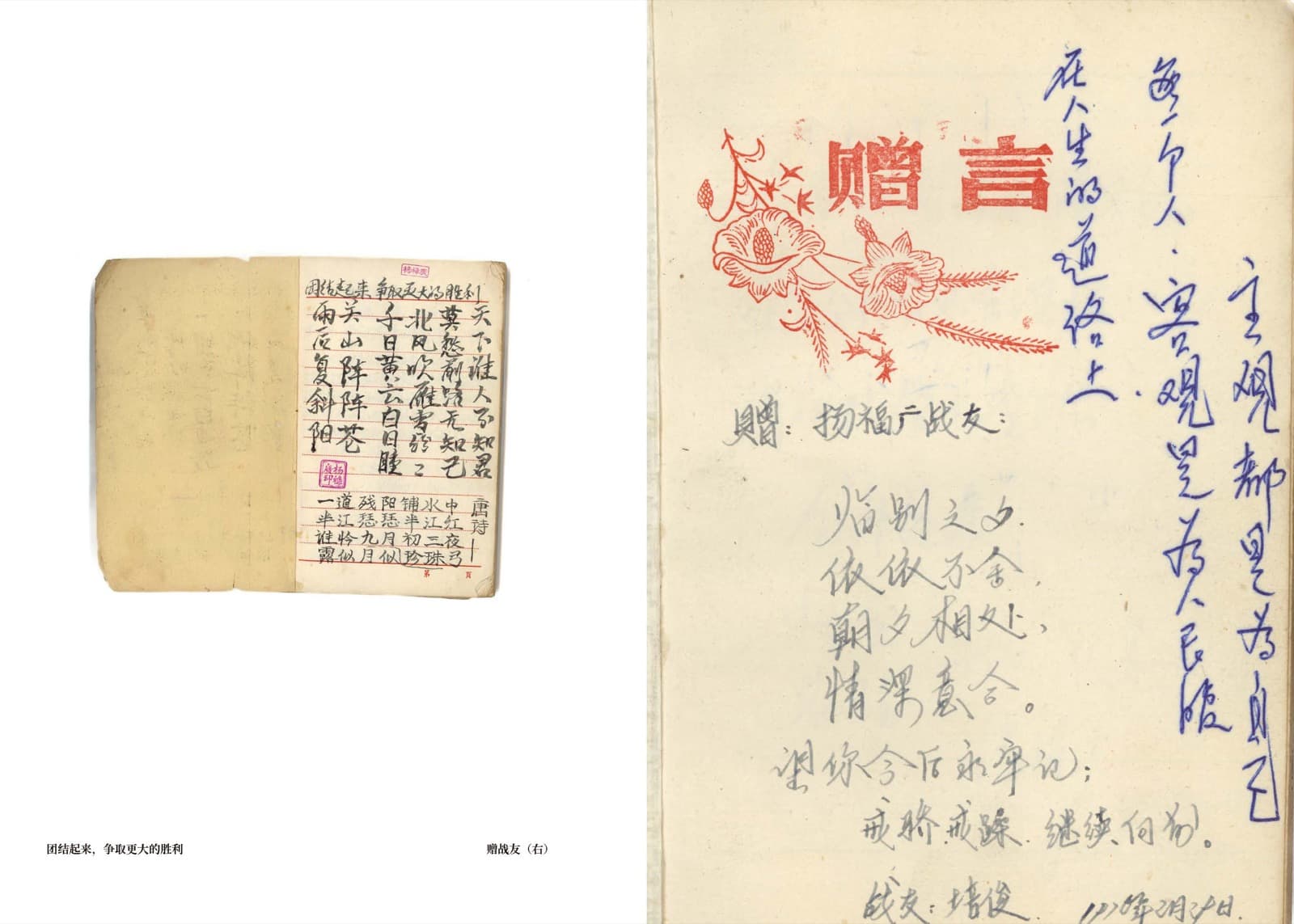
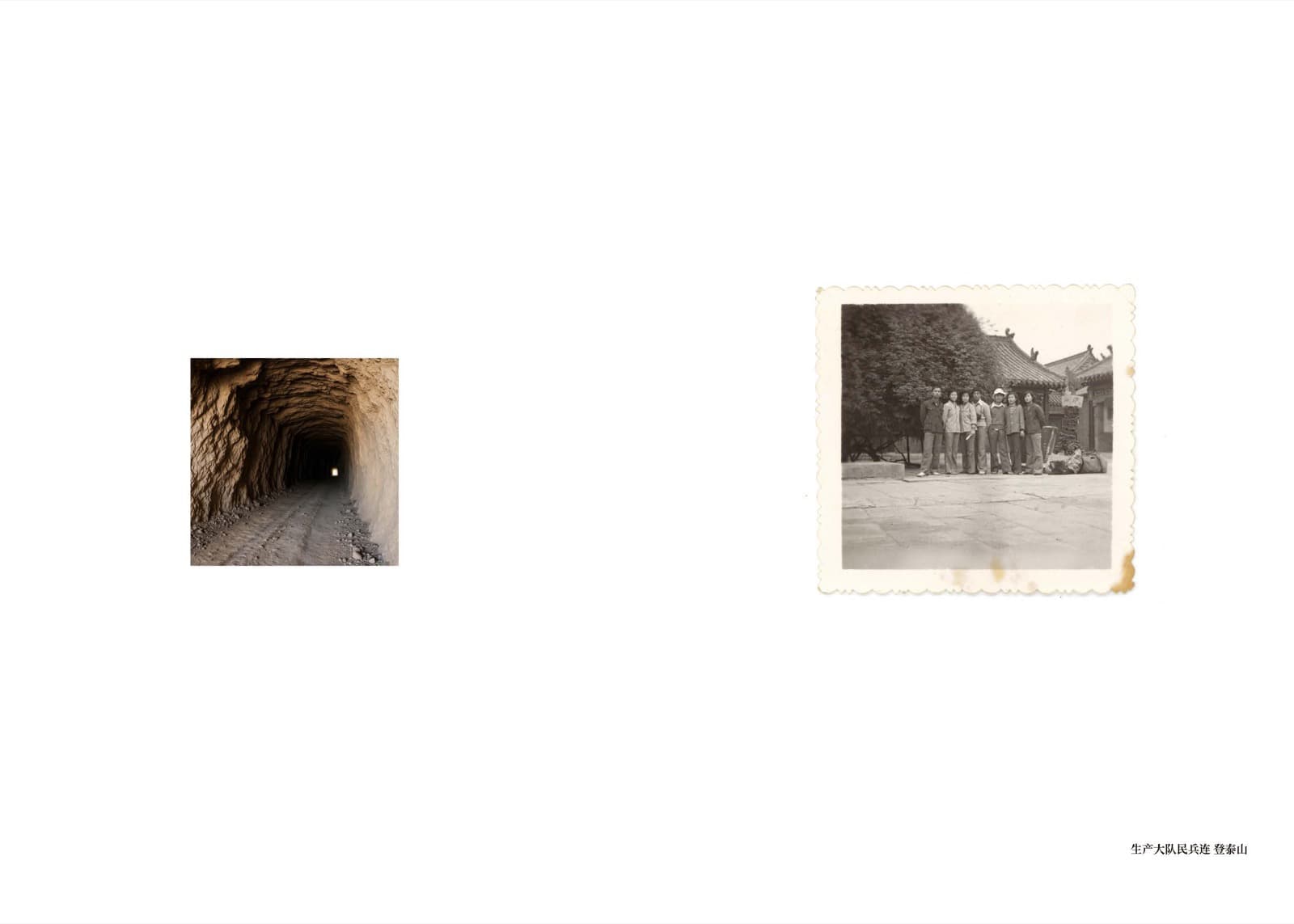
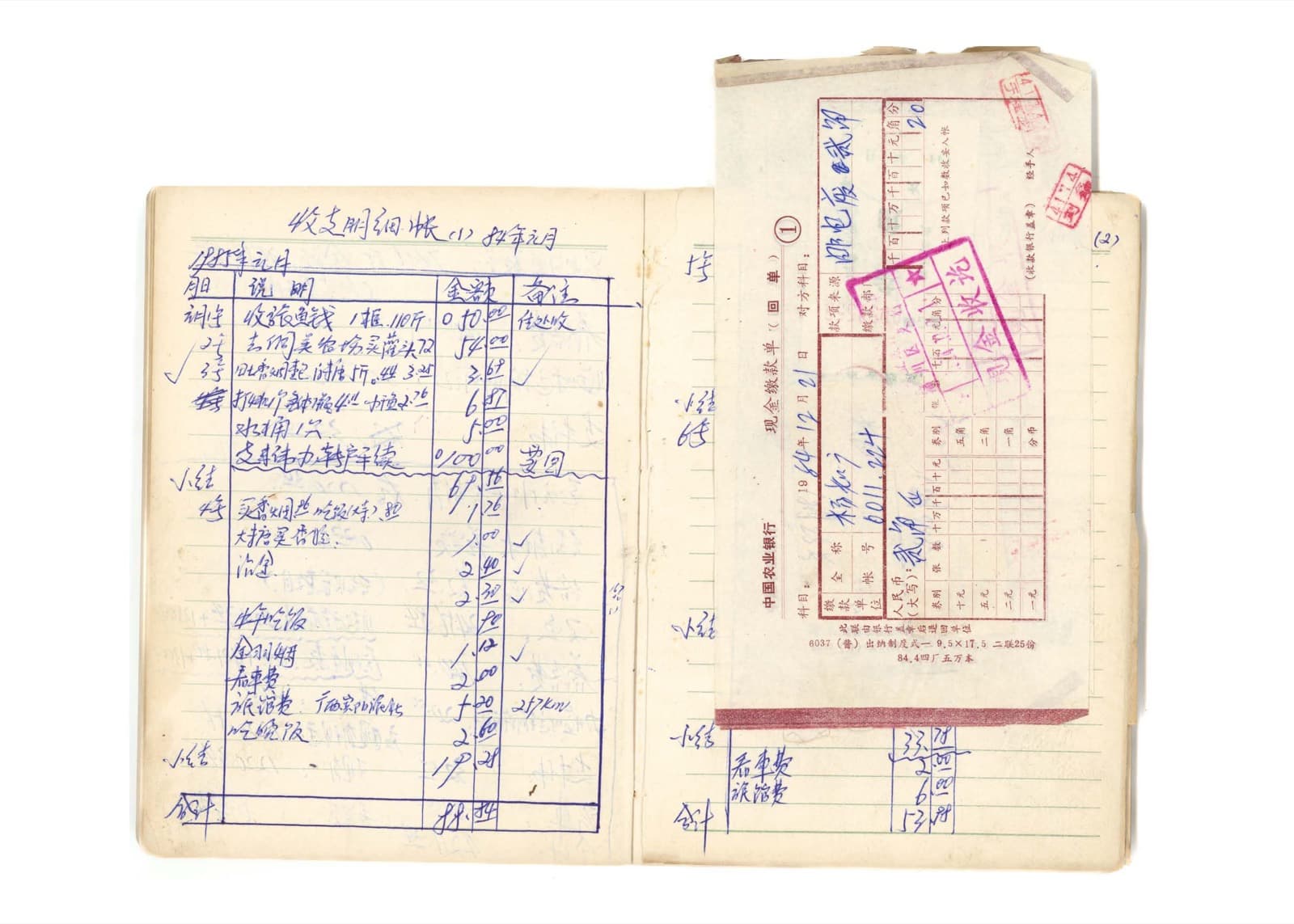
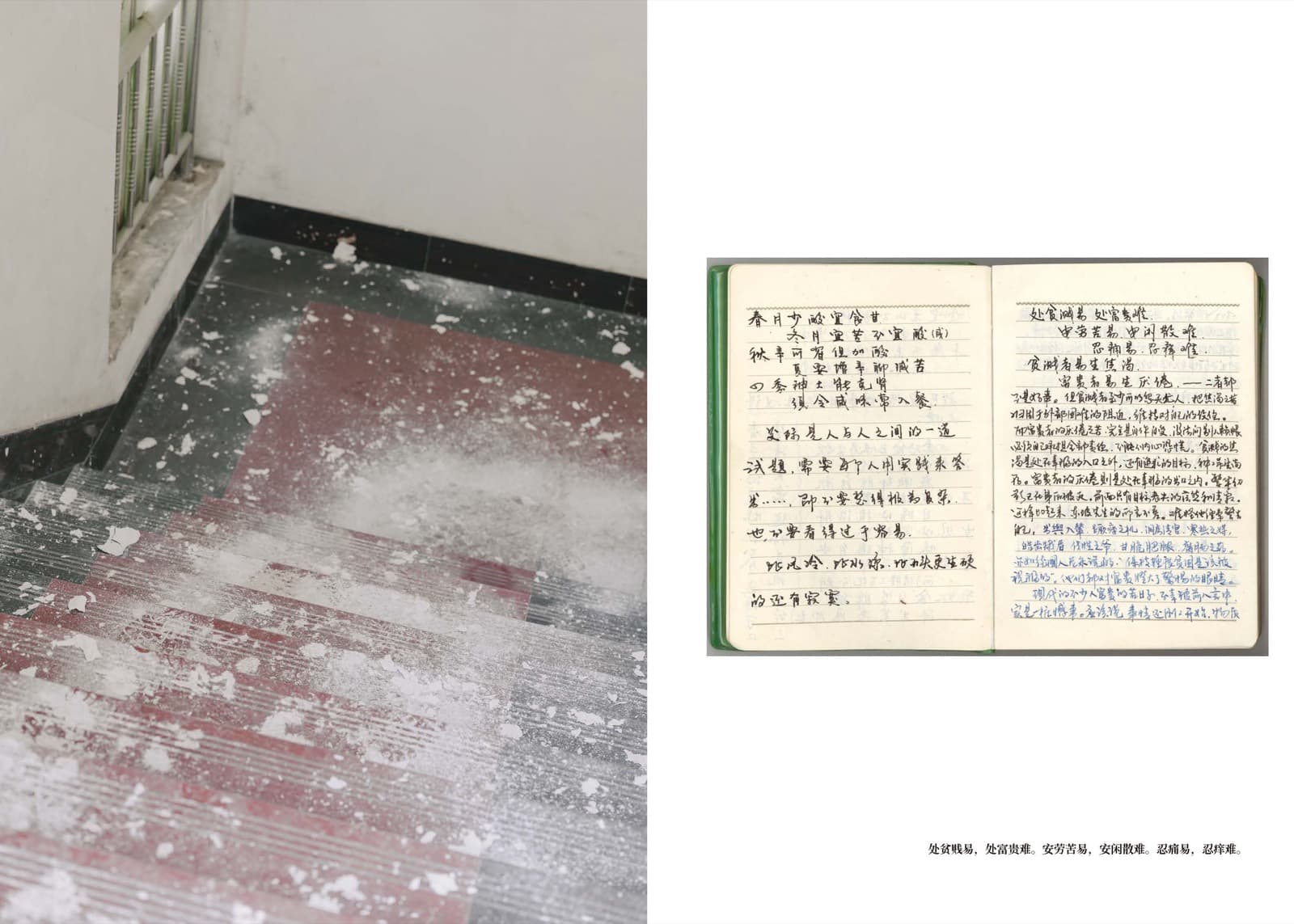
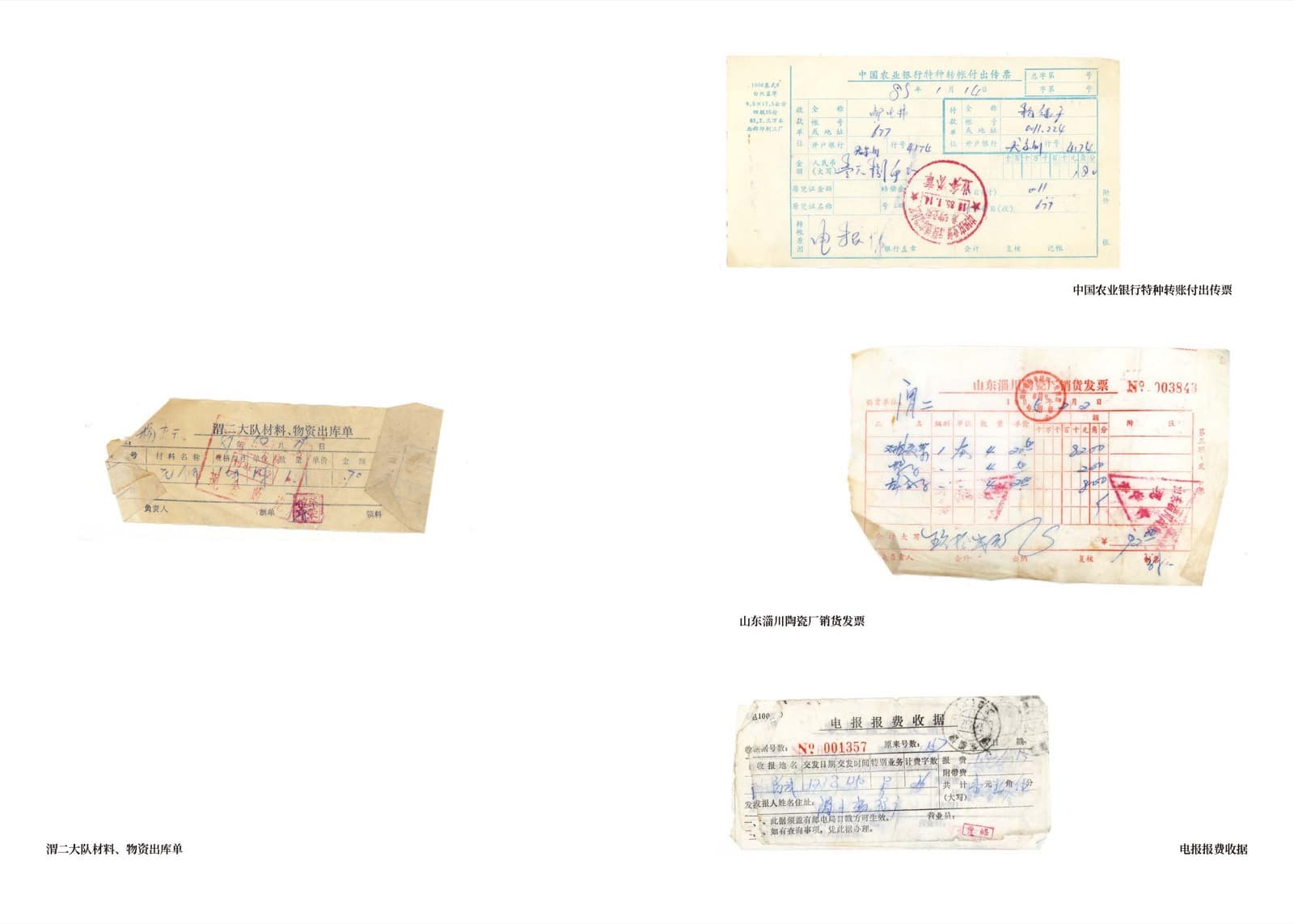
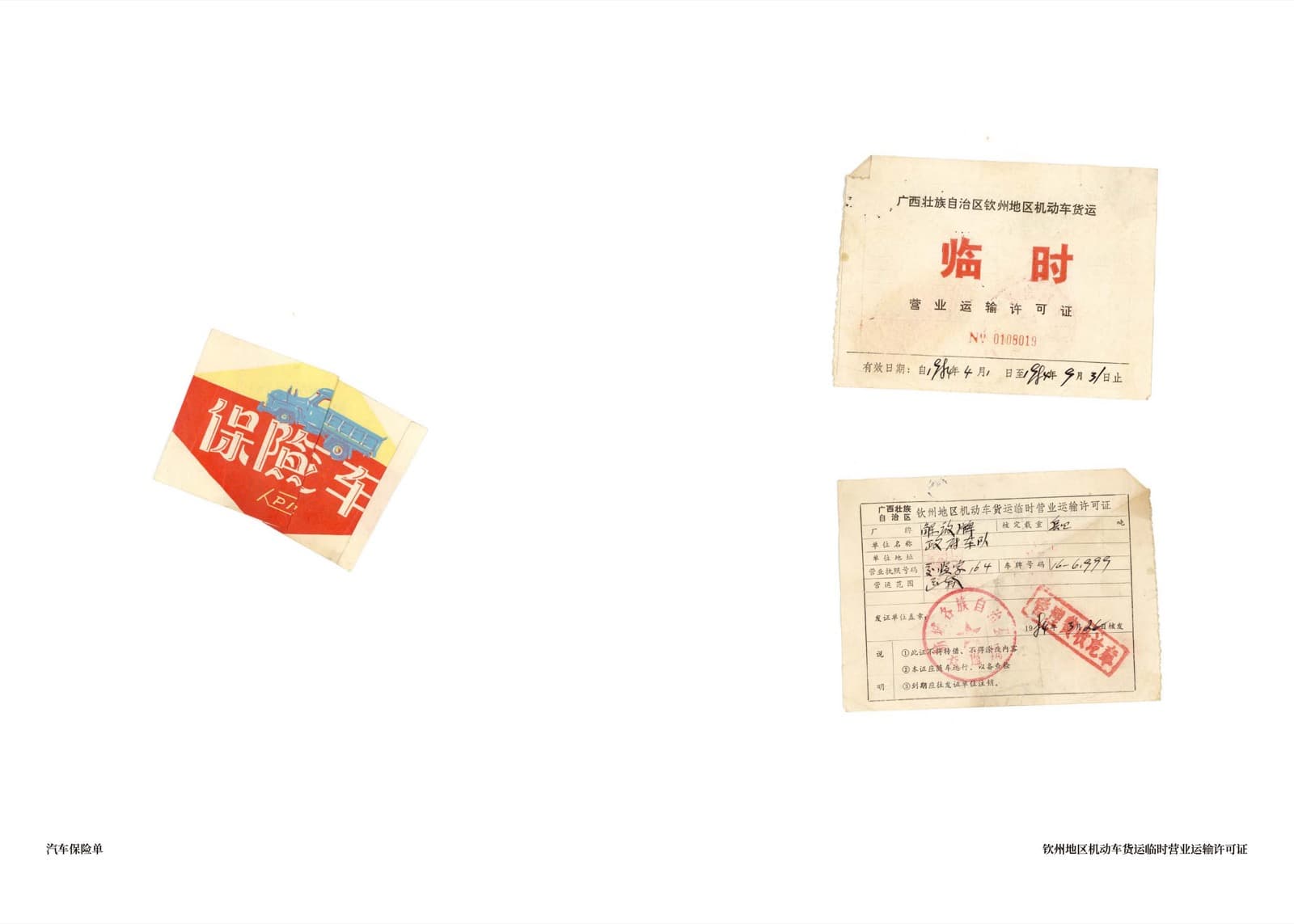
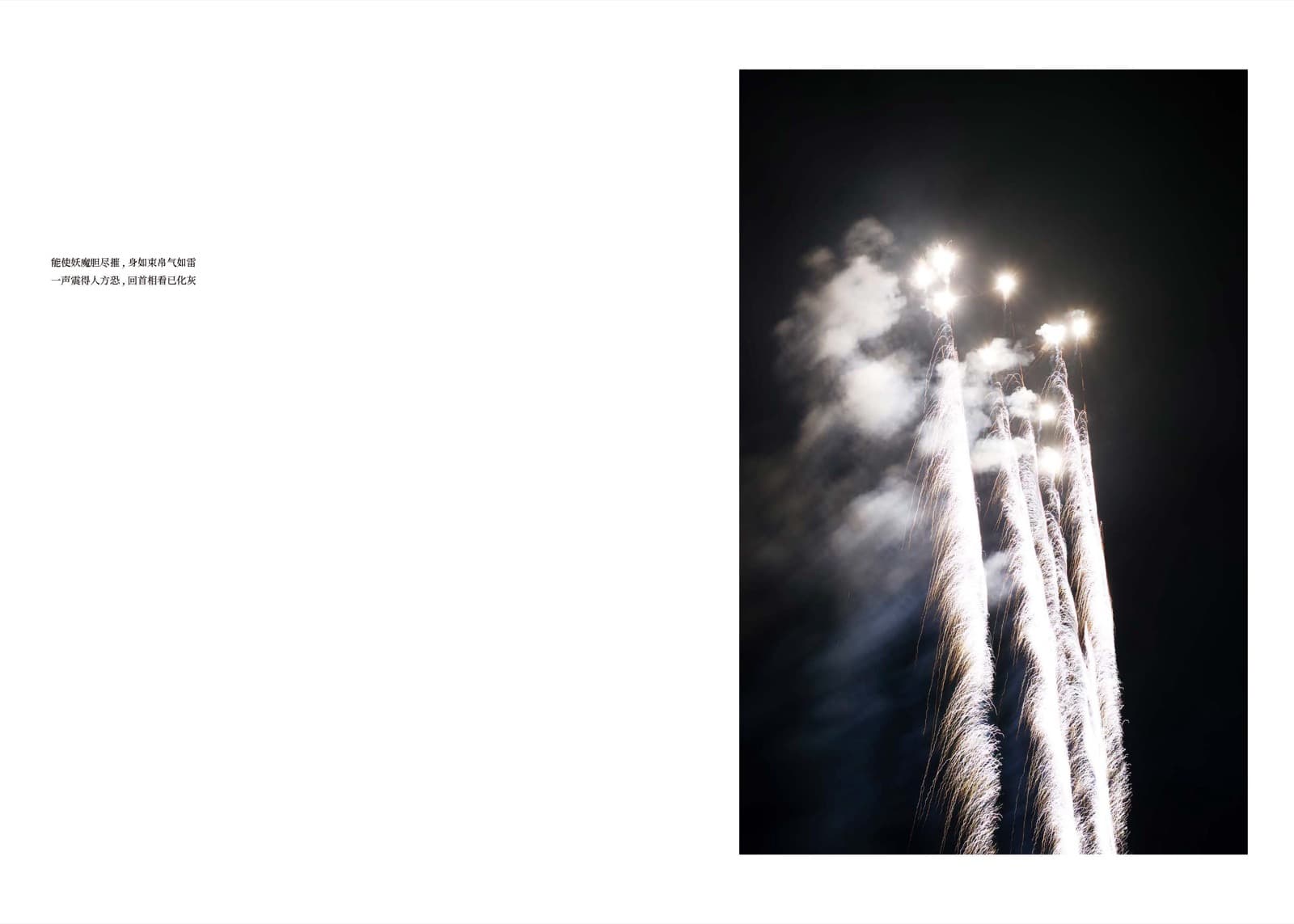
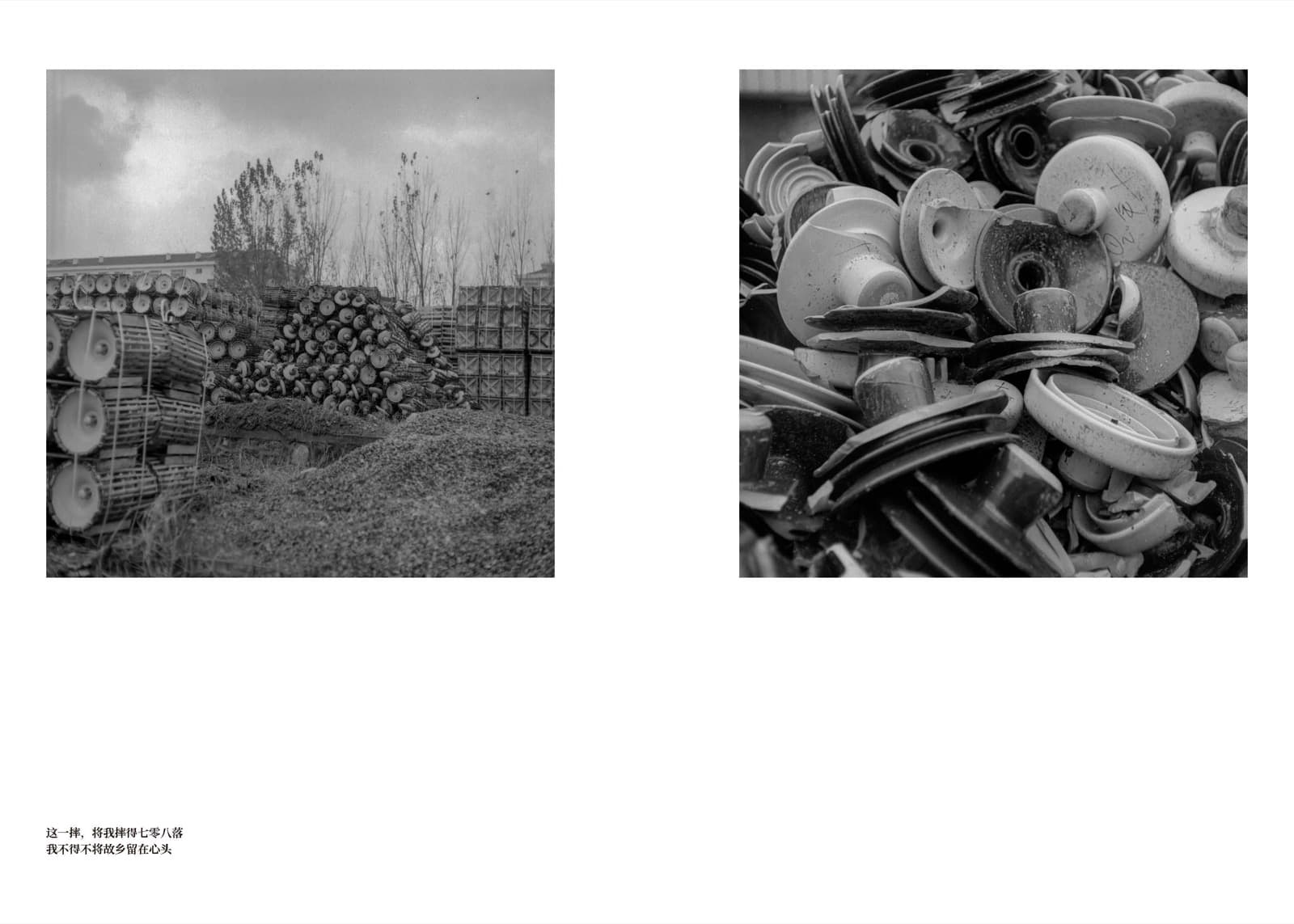
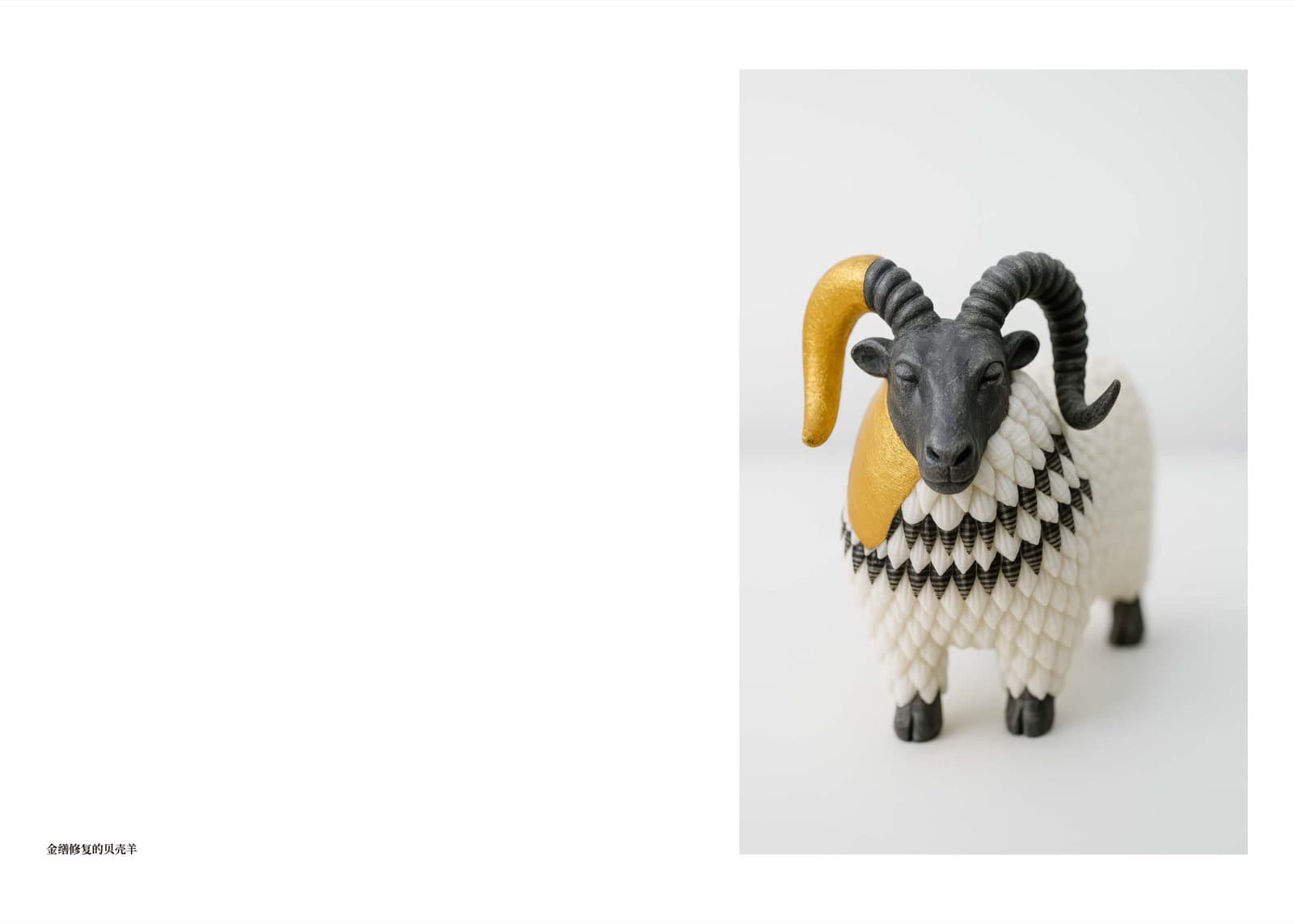
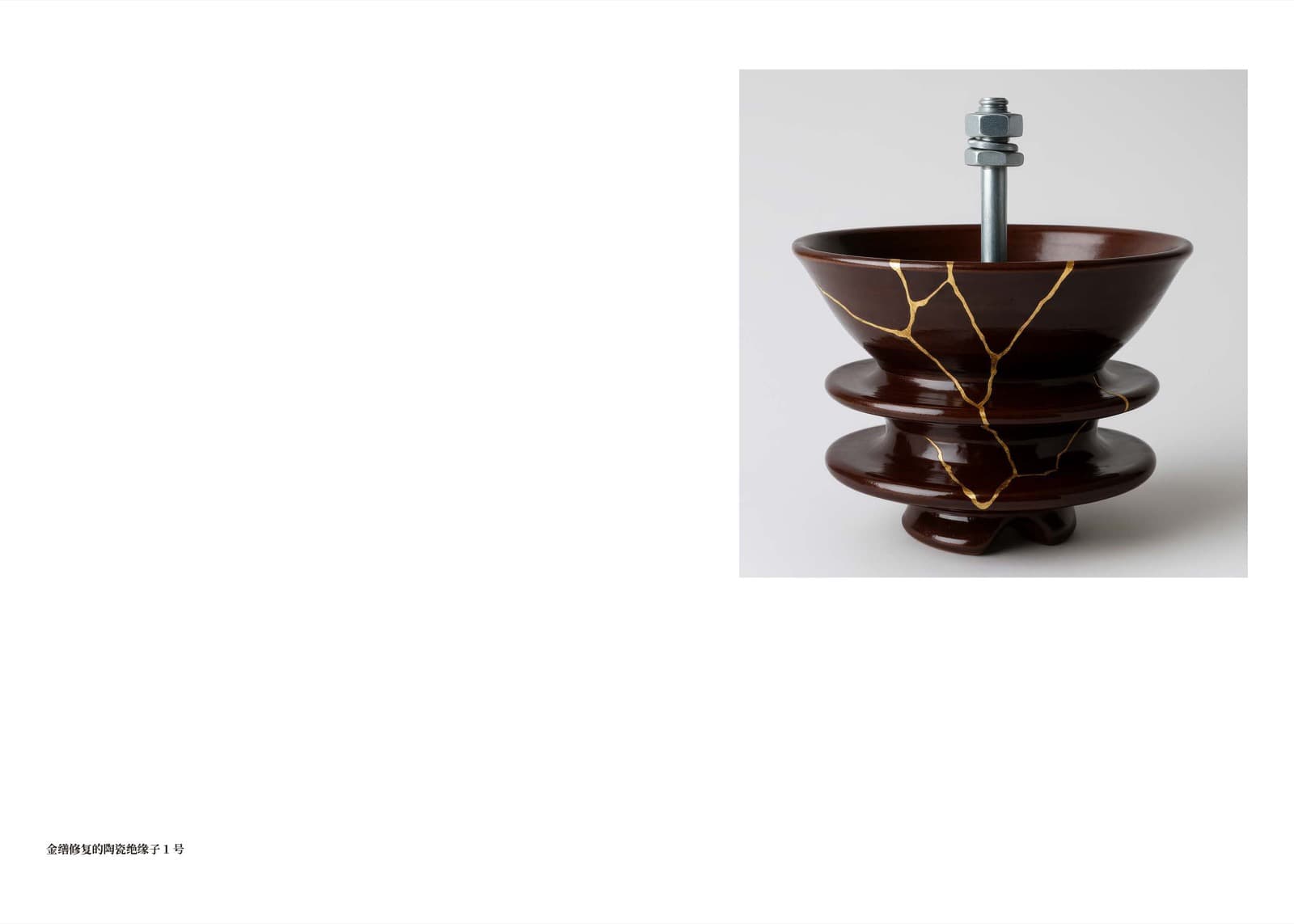
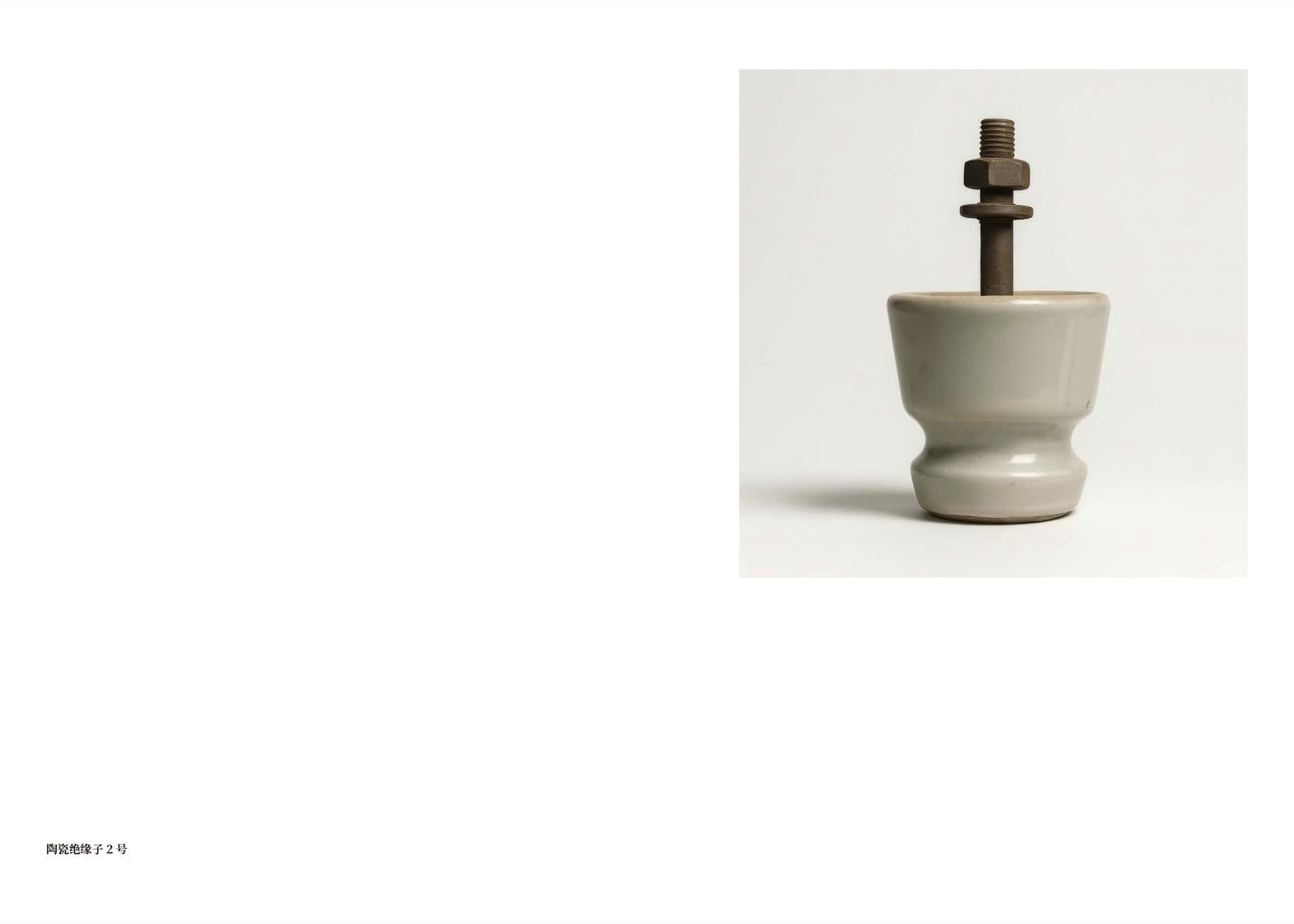
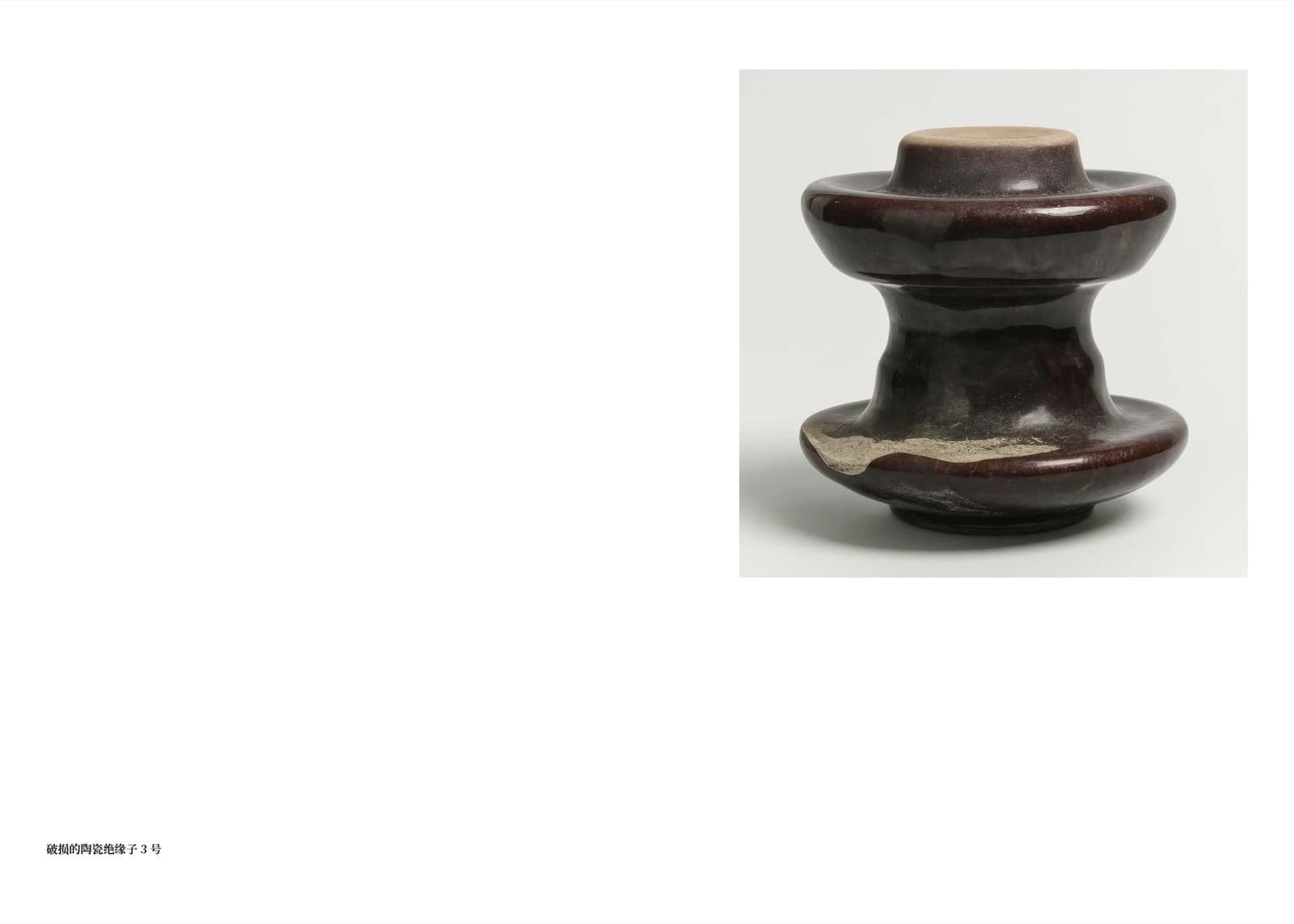
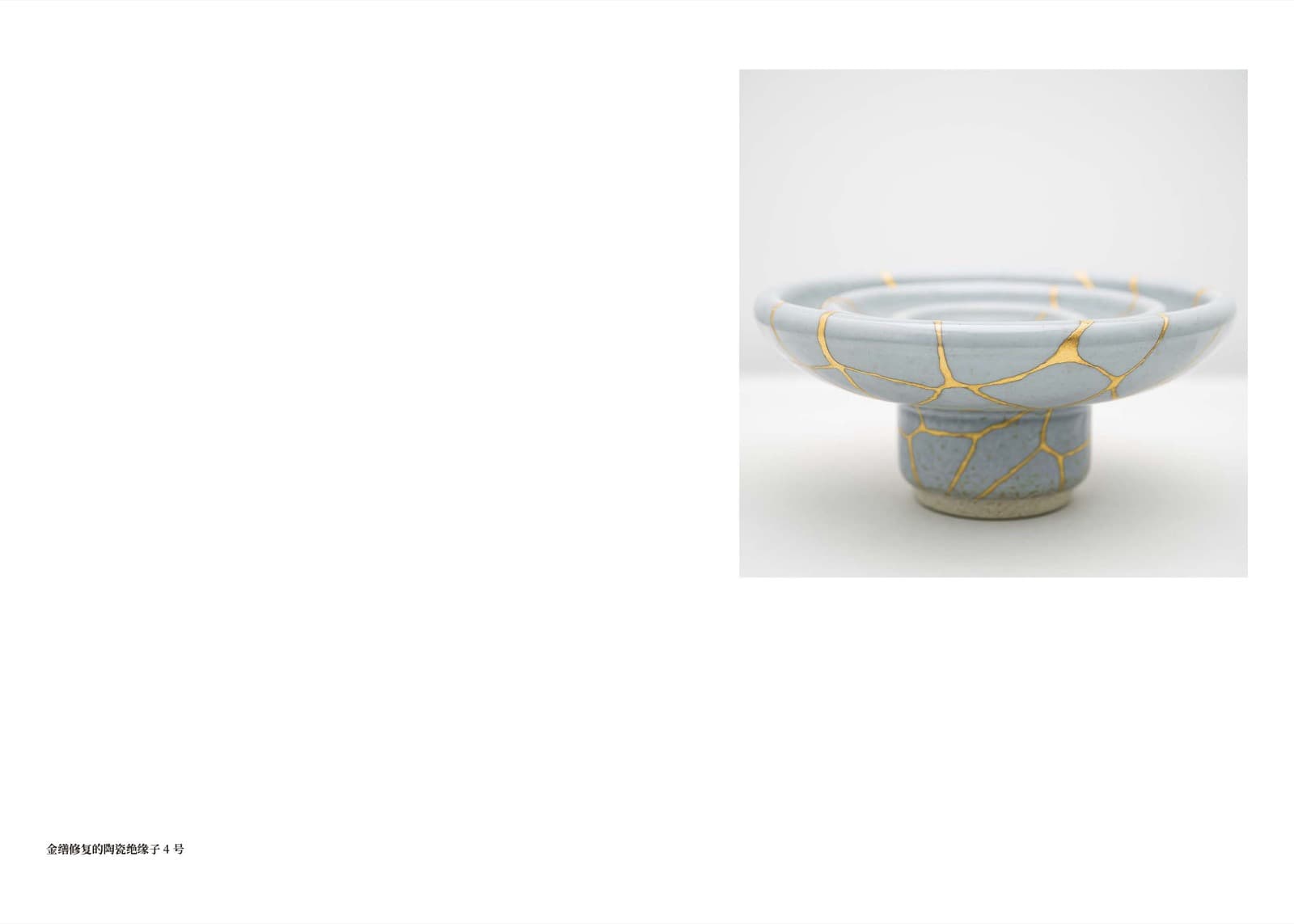
这组作品源于我对父亲工厂的回望——那是一家典型的乡镇企业,生产消防器材,是我童年世界的中心。如今厂房即将拆迁,空留下一地旧物与零散记忆;我用摄影记录散落在废墟中的生产工具与遗迹,也仔细整理了建厂初期的档案材料。泛黄纸张里最令我动容的是父亲与他哥哥建厂时的往来书信:匆忙写下的文字,在朴素的笔触下,将家族情感与个体努力带入时代的叙事;而票据、介绍信、名片与旧照片提醒我,那些如今消失的景象曾真实存在过。我的幼儿园曾设在工厂的电瓷绝缘子车间,烧坏的绝缘子会被摔碎,以此宣告“死亡”。长大后的我用大漆金缮与真金修补两件残片——不是为了还原完整,而是渴望给破碎的时间一次温柔而郑重的安放。我不试图解释失败与荣耀,也无意修复无法复原的过去,只希望这些见证过兴衰的物件能够静静存在:麦子在覆雪之下依旧生长,而我们所珍视的,也总在不经意间悄然延续与更新。
This body of work stems from my looking back at my father’s factory—a typical township enterprise that produced firefighting equipment, and the center of my childhood world. The site is now awaiting demolition, leaving behind scattered relics and fragments of memory. Through photography, I document the tools and traces strewn across the ruins, while also carefully organizing archival materials from the factory’s early days. Among these yellowed papers, what moves me most is the correspondence between my father and his elder brother when they first established the factory—hurried lines in a plain hand that fold family feeling and individual effort into the larger narrative of their time. Invoices, letters of introduction, business cards, and old photographs also keep reminding me that what has now vanished once existed—vividly and tangibly. My kindergarten was once located in the factory’s porcelain-insulator workshop; defective insulators would be smashed violently, as if to declare their “death.” Years later, I repaired two shattered pieces through urushi kintsugi, using lacquer and real gold—not to restore wholeness, but to offer this broken time a gentle and solemn place to rest. I do not attempt to explain past failures or glories, nor do I intend to repair what cannot be restored. I only hope these objects can stand quietly at the edge of the world: wheat still grows beneath the snow, and what we cherish also persists—renewing itself in different forms, often without our noticing.